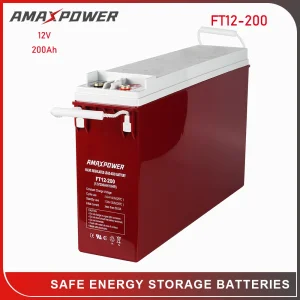
Explore our industrial-grade, certified lithium battery packs and deep-cycle energy storage solutions designed for reliability and optimal efficiency.
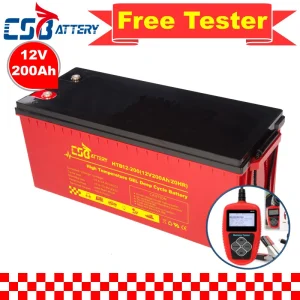
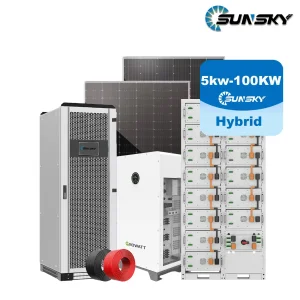
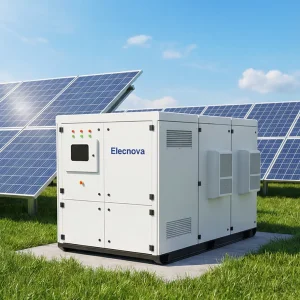
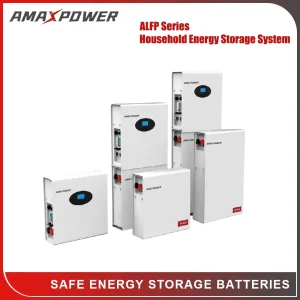
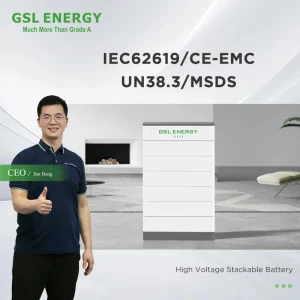
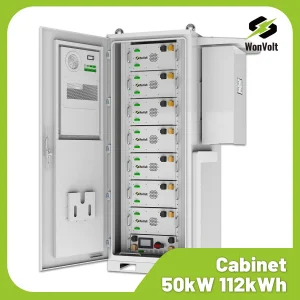
As the international community accelerates toward net-zero targets, the demand for resilient, high-density green energy storage has transitioned from a supporting utility role to a primary grid infrastructure requirement. Shenzhen Suntherra Battery Co., Ltd. (established in 2014) sits at the technological forefront of this transition, operating as a certified national high-tech enterprise in Shenzhen, China. With a modern 12,000 square meter production facility and a multidisciplinary workforce of over 180 engineers, R&D scientists, and automation technicians, we provide high-performance lithium-ion, deep cycle gel, and AGM batteries optimized for safety, depth of discharge (DoD), and extreme lifecycle durability.
Modern renewable energy systems suffer from the "duck curve" power imbalance and grid stress. Efficient BESS (Battery Energy Storage Systems) act as load-leveling buffers. By implementing advanced chemistry interfaces and smart battery management systems (BMS), Suntherra ensures system integrators minimize round-trip losses (RTE > 95%) and extend battery life cycles past the 15-year threshold.
China is home to the world's most comprehensive and integrated battery manufacturing supply chain, accounting for over 75% of global lithium-ion cell production capacity. Suntherra leverages this geographic powerhouse advantage directly in Shenzhen to deliver unmatched value, consistency, and technological innovation to international B2B buyers:
We source Grade-A, brand-new LiFePO4 cells directly from premium primary refineries, ensuring zero mismatch in internal resistance (IR), voltage divergence, or thermal limits.
From complex multi-rack High-Voltage BESS units to specialized marine deep-cycle enclosures, our engineering team manages enclosure tooling, custom BMS firmware protocols, and heat dissipation dynamics.
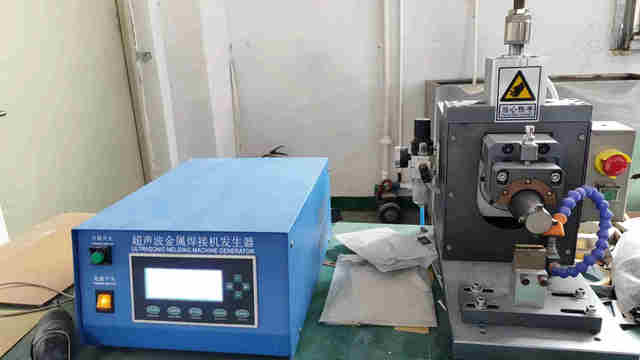
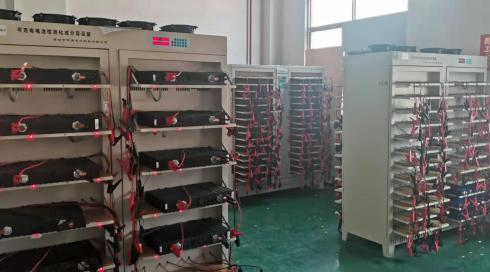
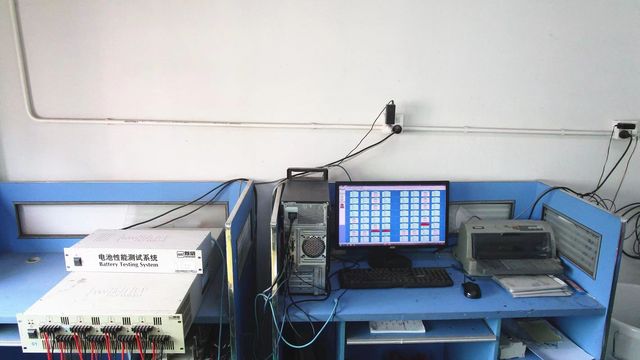
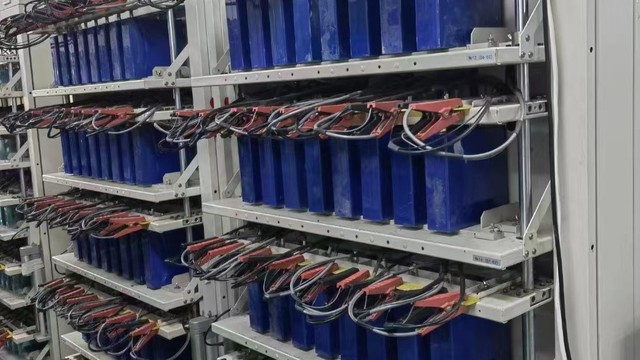
With automated laser welding, high-accuracy aging testing systems, and computerized cell matching, our processes drastically lower product failure rates while keeping capital expenditures highly competitive.
Understanding which technology matches your application requirement ensures financial feasibility, reliable system uptime, and appropriate environmental adaptation.
| Battery Chemistry | Cycle Life (80% DoD) | Operating Temp Range | Typical Applications | Maintenance Requirement | Cost Efficiency (LCOE) |
|---|---|---|---|---|---|
| Lithium Iron Phosphate (LiFePO4) | 6,000 - 8,500 Cycles | -20°C to 60°C | Residential, C&I Energy Storage, Solar Off-grid Systems | Maintenance-Free (Active Smart BMS) | Extremely Low over long lifespan |
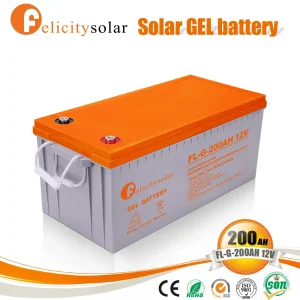
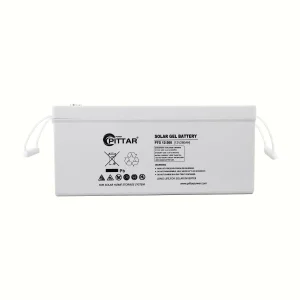
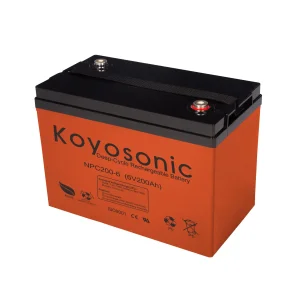
| Deep Cycle GEL Storage | 1,200 - 1,800 Cycles | -25°C to 50°C | Wind storage, remote telecommunication, utility vehicles | Minimal (Sealed design) | Medium (Low upfront investment) |
| Solar AGM Battery | 800 - 1,000 Cycles | -15°C to 40°C | Back-up UPS, RVs, low-frequency solar projects | Zero maintenance needed | High initial cost-benefit ratio |
| Lead Acid Front Terminal | 600 - 800 Cycles | -10°C to 40°C | Telecom base stations, server rooms, control systems | Routine verification | Highly economical for standby use |
Grid integration requires strict conformance with evolving regional electrical certifications. Deploying an uncertified battery system risks legal liabilities, project delays, and insurance voids. Suntherra simplifies compliance hurdles by maintaining a robust framework of certifications and testing protocols:
All Suntherra LiFePO4 configurations feature built-in multi-layered safety. If abnormal temperature peaks are registered, the intelligent BMS automatically triggers cell isolation, preventing thermal runaway propagates, and safeguarding property and life.
Different markets present distinct grid characteristics and environmental stresses. Our systems are engineered to perform in specialized localized application scenarios worldwide:
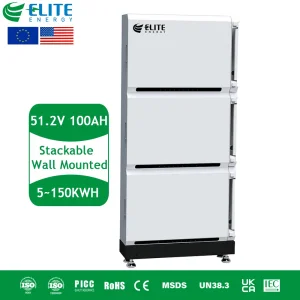
High retail electricity costs in Western Europe demand maximum self-consumption. Using our High-Voltage Stackable modular batteries, families capture daytime solar energy and discharge it during peak tariff evening hours. Our modular layouts expand from 5kWh to 30kWh as household power consumption grows.
In regions facing frequent grid load shedding or complete off-grid conditions, agricultural enterprises rely heavily on solar microgrids. Suntherra's Deep Cycle GEL batteries are preferred in these applications due to their exceptional thermal tolerance and structural resilience in hot, remote areas without climate-controlled battery rooms.
For US-based enterprises, demand charges make up a significant portion of utility bills. Suntherra Rack-Mounted LiFePO4 system integrations enable smooth peak shaving—discharging during high peak rates to lower demand metrics while doubling as an instantaneous standby UPS (Uninterruptible Power Supply) during emergency blackouts.
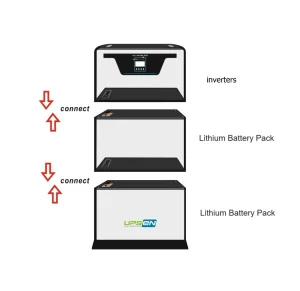
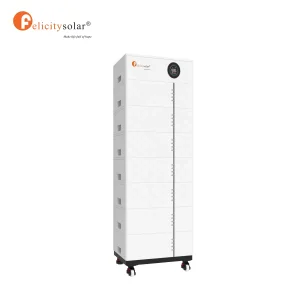
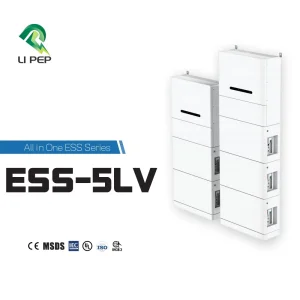
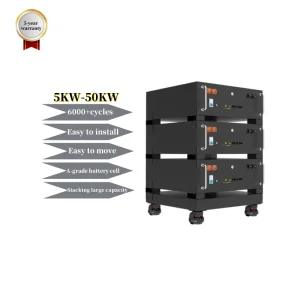
From portable solar generators to large-capacity modular rack designs, choose the optimal system configuration to fit your project requirements.
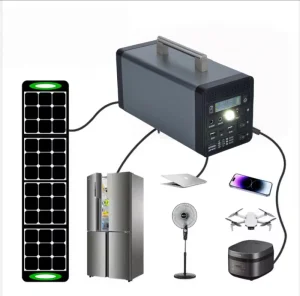
When purchasing energy storage solutions at utility or wholesale scales, procurement managers must evaluate criteria beyond upfront unit costs. Achieving an optimal Levelized Cost of Storage (LCOS) involves assessing key performance metrics:
The energy sector is moving quickly toward advanced software integration and smarter thermal management. Keeping pace with these changes is essential for maintaining competitive utility architectures:
As pack energy density increases, traditional air cooling is being replaced by liquid cooling systems. Liquid heat management maintains uniform cell temperatures within a tight 2°C range, significantly reducing the risks of localized hot spots and thermal runaway.
Modern battery storage systems are no longer passive backup units. Through smart communications, distributed battery packs can coordinate to feed electricity back to local grids during high-demand events, generating new revenue streams for system operators.
Get answers to common technical, manufacturing, and shipping questions directly from our engineering team.
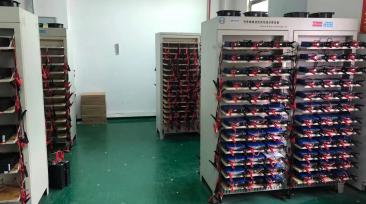
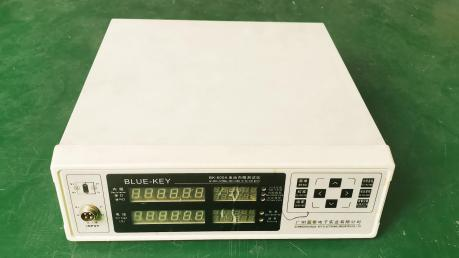
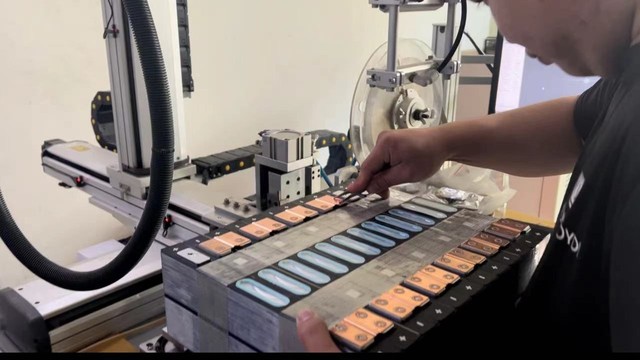
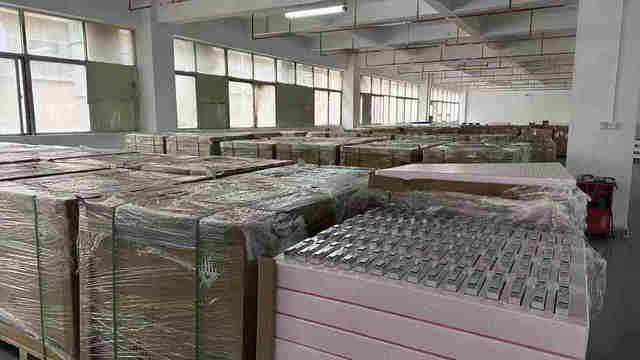
Get a first-hand look at our manufacturing facilities, assembly lines, testing chambers, and global shipping warehouses in Shenzhen, China.
 Suntherra Battery