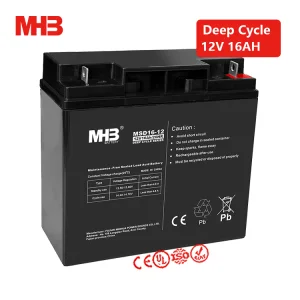
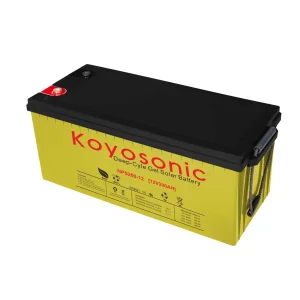
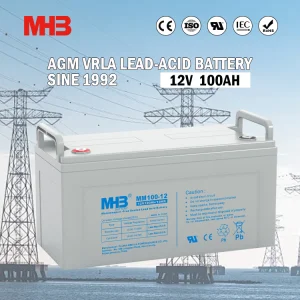
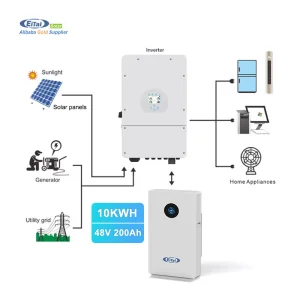
Direct manufacturer-engineered storage options designed for high cycle life, extreme thermal performance, and continuous commercial and industrial standby power demand.
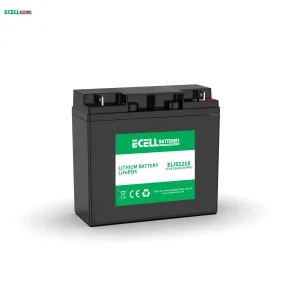
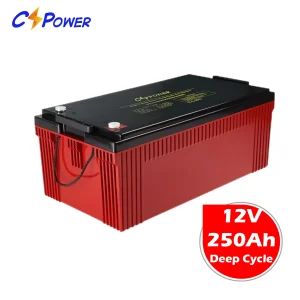
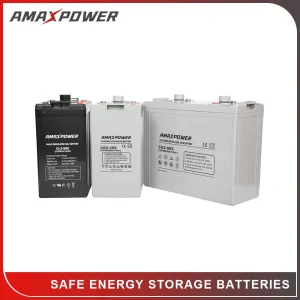
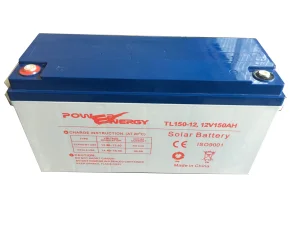
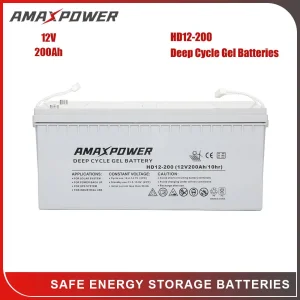
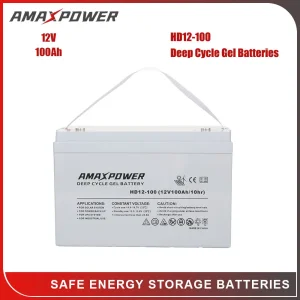
Absorbent Glass Mat (AGM) technology stands as a fundamental pillar of modern microgrid and off-grid utility infrastructure. Unlike conventional flooded lead-acid systems, AGM batteries utilize a highly porous, ultra-fine glass fiber mat separator saturated with high-purity sulfuric acid electrolyte. This design enables key dynamic capabilities that are critical to solar power installations worldwide:
Features an oxygen cycle efficiency of >99%. Oxygen generated at the positive plates during charging diffuses through the glass mat pores to the negative plates, where it is reduced back to water. This completely eliminates water loss and the need for ongoing maintenance.
Manufactured using advanced lead-calcium-tin alloys. These alloys reduce grid corrosion, minimize self-discharge rates to less than 2% per month at 25°C, and provide structural support against mechanical shock and thermal expansion.
Features custom-engineered rubber safety valves designed to vent gas only when internal pressure exceeds 10–35 kPa. This protects the outer ABS casing from distortion while keeping the internal chemical balance stable.
For B2B procurement managers and engineering system integrators, selecting the ideal chemical composition requires balancing performance characteristics against initial capital costs (CAPEX) and total operating costs (OPEX). Below is an objective comparison based on industry benchmarks and test data:
| Performance Metrics | Advanced Deep Cycle AGM | High-Performance Tubular GEL | Lithium Iron Phosphate (LiFePO4) |
|---|---|---|---|
| Initial System CAPEX | Low (Optimized Baseline) | Moderate to High | High Capital Investment |
| DOD (Depth of Discharge) | 50% to 60% Recommended | 60% to 70% Optimal | 80% to 90% Industrial |
| Cycle Life (at 50% DOD) | 1,200 - 1,500 Cycles | 2,000 - 2,500 Cycles | 5,000 - 8,000 Cycles |
| Thermal Stability Range | -20°C to +50°C | -30°C to +55°C | 0°C to +45°C (Requires Heating below 0°C) |
| Charge Acceptance Rate | 0.2C - 0.25C | 0.15C - 0.2C | Up to 1.0C (Ultra-fast charging) |
| BMS & Electronic Control | None Required (Self-balancing) | None Required (Self-balancing) | Mandatory BMS (Adds complexity) |
| Maintenance Profile | Maintenance-Free (VRLA) | Maintenance-Free (VRLA) | Electronic Diagnostics Needed |
Shenzhen Suntherra Battery Co., Ltd. is a leading manufacturer specializing in solar energy storage batteries and integrated power solutions for global renewable energy markets. Established in 2014 and located in Shenzhen, China, our company has grown into a highly reliable OEM and ODM partner, focusing on lithium batteries, deep cycle storage systems, and advanced solar energy storage technologies.
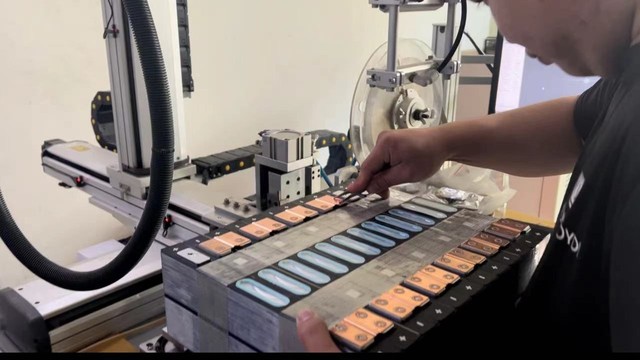
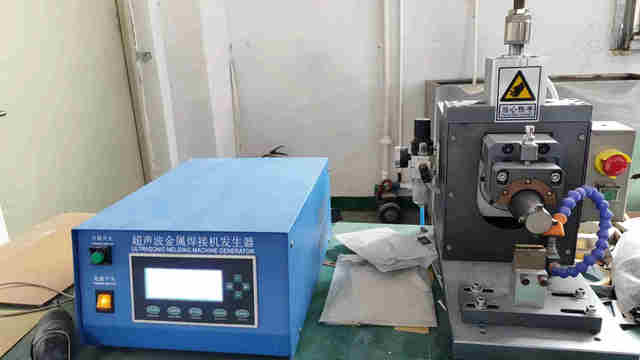
Suntherra operates a modern production facility equipped with high-speed automated grid-casting machines, automatic paste mixers, high-precision curing chambers, and automated acid-filling lines. This infrastructure ensures exceptional quality control and high-volume consistency for every production run.
We work closely with global solar system integrators, distributors, and utility-scale operators to provide tailored solutions that meet specific technical and regulatory requirements. Our engineering capabilities include:
From individual 2V high-capacity storage cells to custom-designed 12V, 24V, and 48V battery banks. We configure internal plate thickness and density to match either fast-discharge standby needs or extended deep cycle applications.
For hybrid storage configurations, we integrate custom-engineered battery management systems supporting MODBUS, CAN bus, or RS485 communication protocols, enabling real-time remote monitoring.
Offering specialized ABS flame-retardant (UL94-V0) casings, rugged handles, reinforced structural designs for high-vibration environments, customized labeling, and retail packaging.
China's dominance in the global energy storage sector is built on robust raw material supply chains, highly efficient manufacturing ecosystems, and continuous technological innovation. These advantages enable us to deliver premium energy storage solutions at competitive prices:
Our proximity to major lead refineries, chemical processing plants, and glass fiber producers eliminates international material transport delays. This direct access allows us to secure pure active materials (99.999% virgin lead) while avoiding high import duties.
Operating in Shenzhen allows us to collaborate directly with leading power electronics developers, terminal manufacturers, and logic board designers. This nearby network accelerates our prototyping, system integration, and testing cycles.
By using automated manufacturing equipment, we maintain tight tolerances throughout the grid pasting, curing, and plate assembly processes. This precision minimizes cell-to-cell variance, leading to longer service life in series-connected battery banks.
For utility-scale solar projects, public telecom installations, and commercial backup systems, strict regulatory compliance is essential. Global grid operators require verified proof that energy storage components meet international safety and performance standards. Shenzhen Suntherra Battery Co., Ltd. holds a complete suite of global quality certifications:
Ensures that our battery systems meet all European health, safety, and environmental protection standards for solar installations.
Underwriters Laboratories certification verifying safe operation in standby applications, with options for self-extinguishing flame-retardant outer casings.
Fully compliant with international testing standards for valve-regulated stationary lead-acid batteries in solar and standby setups.
Provides complete documentation for safe road, ocean, and air freight transportation, minimizing logistical delays.
While lithium-based technologies are growing in popularity, advanced AGM batteries remain the preferred choice for applications requiring high safety, long-term float reliability, and excellent performance in extreme temperatures.
Remote telecommunication towers require reliable standby systems that can perform in isolated locations with minimal maintenance. Our deep cycle AGM batteries offer excellent cyclic stability under fluctuating float voltages, keeping critical networks connected.
For rural microgrids and mountain cabins, AGM batteries provide an affordable, high-capacity energy storage option. They require no electronic management systems, making installation straightforward and highly cost-effective.
In environments that experience sub-zero winter temperatures, lithium systems can face lithium plating issues during charging. In contrast, Suntherra’s specialized AGM batteries continue to charge and discharge reliably even in cold conditions.
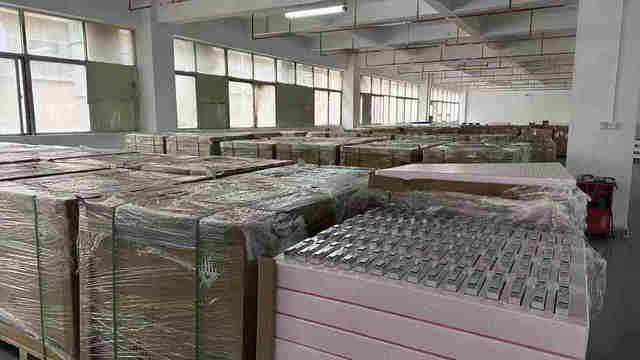
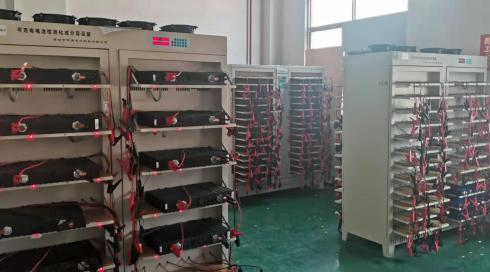
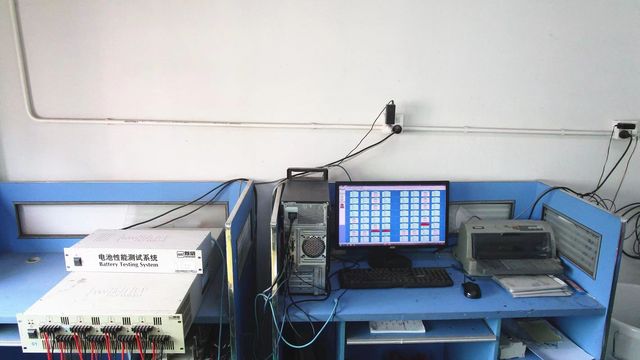
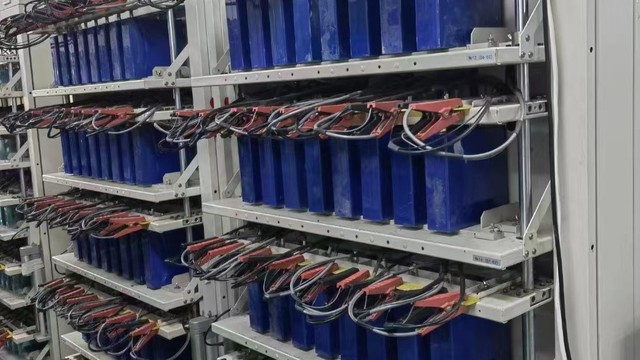
Take an inside look at our state-of-the-art production lines, rigorous QC testing bays, and advanced materials handling systems in Shenzhen, China:
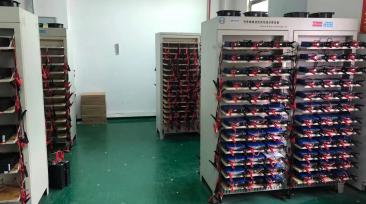
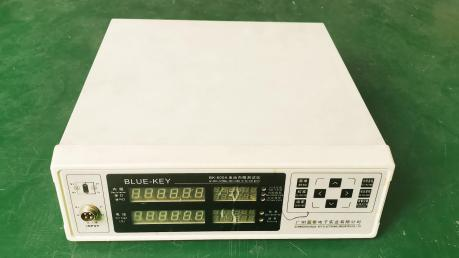
Technical insights, installation best practices, and maintenance tips compiled by Suntherra's senior application engineers.
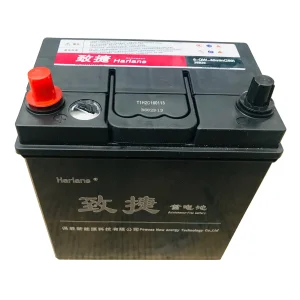
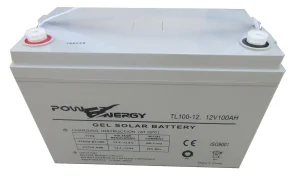
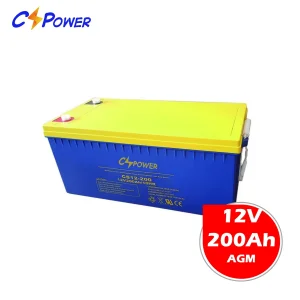
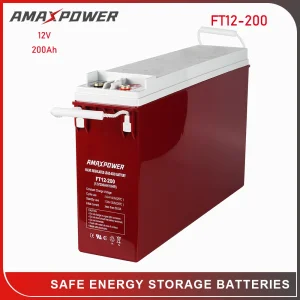
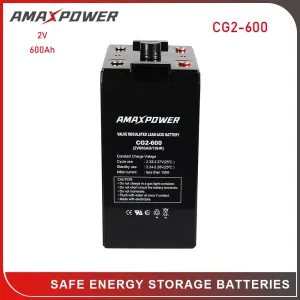
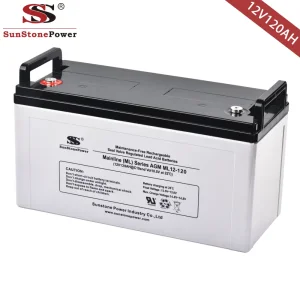
Explore our complete range of certified storage products, built for deep cyclic performance, critical telecom backup, and residential solar integration.
 Suntherra Battery