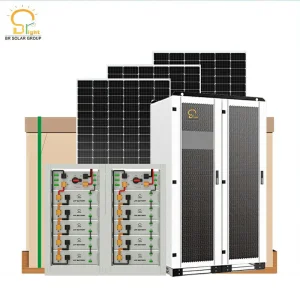
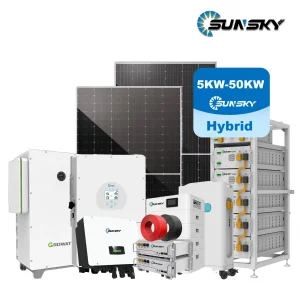
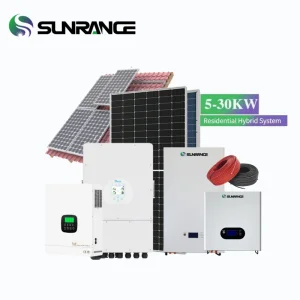
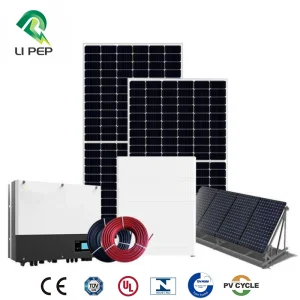
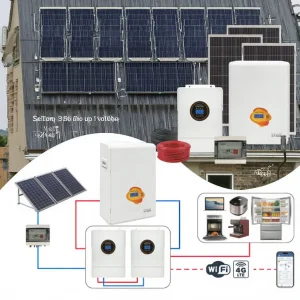
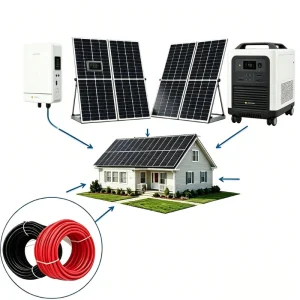
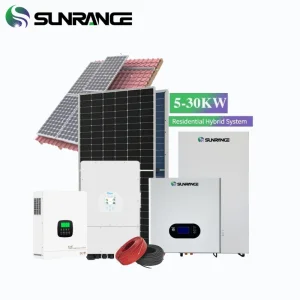
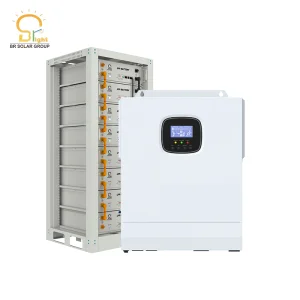
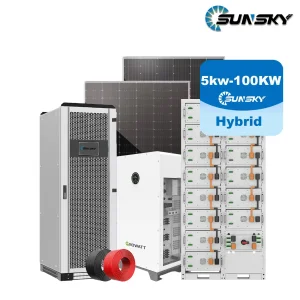
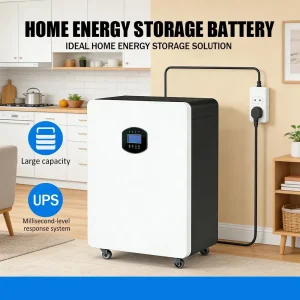
As the global energy landscape transitions from fossil fuels to renewable sources, the Solar Inverter Battery System has emerged as the cornerstone of energy independence. Unlike traditional photovoltaic setups, a modern integrated system combines high-efficiency power conversion (Inverter) with robust chemical energy storage (Battery), managed by intelligent software (BMS & EMS). This synergy allows for 24/7 solar utilization, bridging the gap between intermittent sunlight and constant energy demand.
Reduce electricity bills by discharging stored energy during high-tariff periods.
Seamless backup power during outages ensures critical loads remain operational.
Maximize self-consumption of green energy, minimizing reliance on the carbon-heavy grid.
In the current market, the focus has shifted from mere "capacity" to "Dynamic System Synergy." Leading manufacturers are now prioritizing Levelized Cost of Storage (LCOS) over initial purchase price. This involves optimizing discharge depths (up to 95% DoD), cycle life (6000+ cycles), and high-speed communication protocols between the battery bank and the hybrid inverter to ensure sub-10ms switching times—essential for sensitive electronics in residential and medical settings.
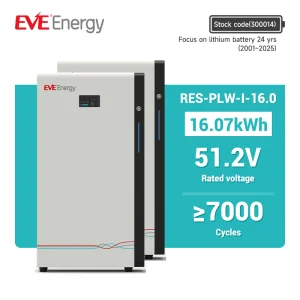
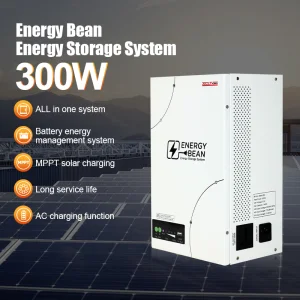
In regions like Europe and Australia, where electricity prices are volatile, our 51.2V LiFePO4 wall-mounted systems provide homeowners with the ability to store mid-day solar surplus. These systems are designed with "Plug-and-Play" aesthetics to fit into garages and utility rooms seamlessly.
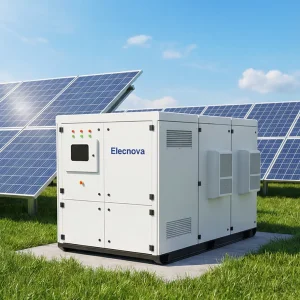
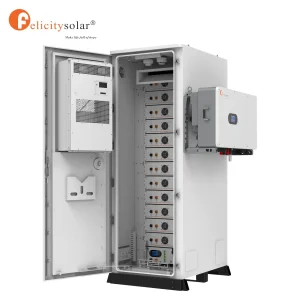
For mining operations or telecommunication towers in Southeast Asia and Africa, grid access is often non-existent. Our Containerized BESS (Battery Energy Storage Systems) offer N-1 redundancy, ensuring that even if one module fails, the system continues to provide power through multi-parallel inverter configurations.
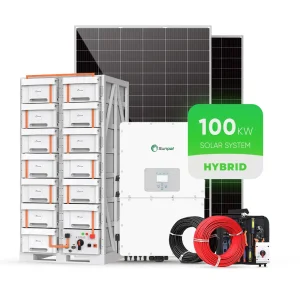
Modern farming requires consistent power for irrigation and climate-controlled storage. By integrating 30kW to 100kW hybrid systems, farmers can drastically reduce operational overhead while maintaining a reliable "islanding" capability during extreme weather events.
Shenzhen Suntherra Battery Co., Ltd. represents the pinnacle of the Chinese lithium-ion supply chain. Established in 2014, we leverage the unparalleled industrial cluster of Shenzhen to provide high-performance energy solutions. Our 12,000 square meter facility is more than just an assembly line; it is a center of excellence where 180+ professionals innovate daily.
Moving from 48V/51.2V to High Voltage (HV) battery stacks (200V-800V). HV systems reduce conversion losses and allow for thinner cabling, significantly increasing round-trip efficiency in large-scale solar installations.
Integration of machine learning algorithms that predict local weather patterns and household consumption habits to optimize battery charging cycles, extending battery life by up to 20%.
As solid-state battery technology matures, Suntherra is researching higher energy density formats. Simultaneously, Vehicle-to-Home (V2H) and Vehicle-to-Grid (V2G) protocols will allow EVs to act as secondary storage buffers within the solar inverter ecosystem.
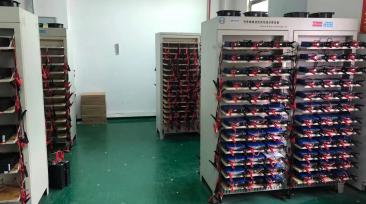
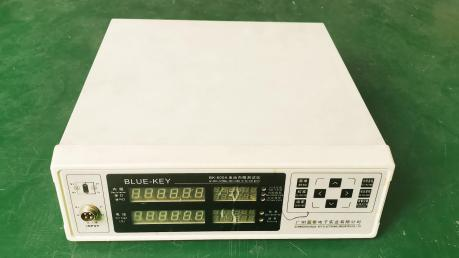
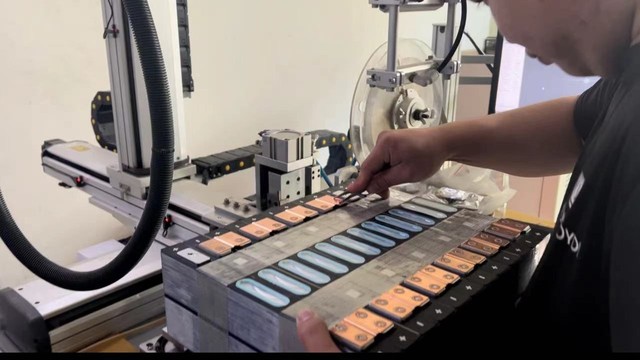
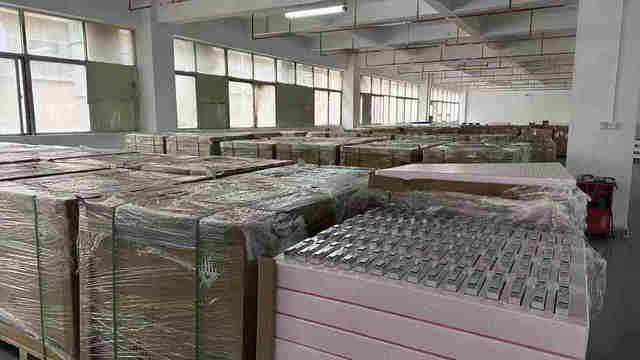
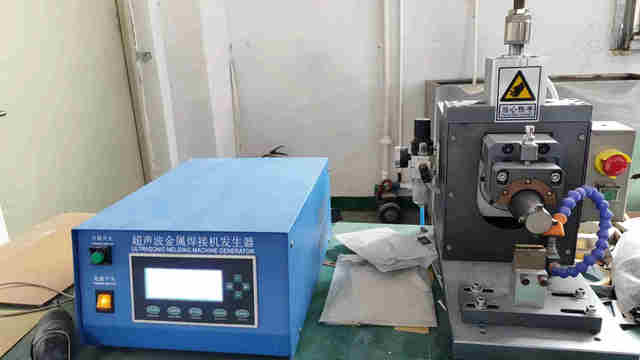
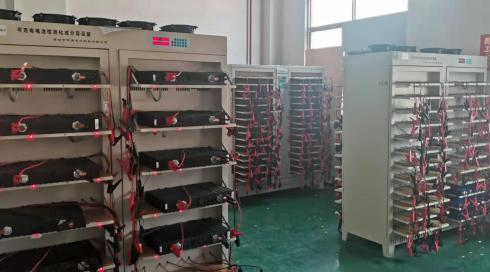
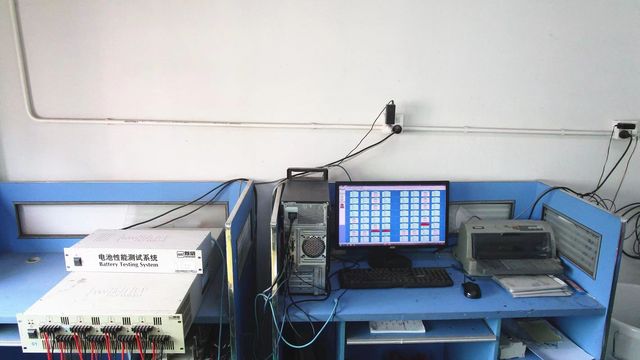
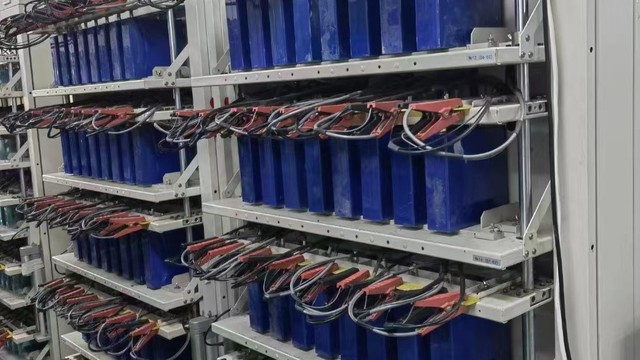
Our facility in Shenzhen is equipped with advanced automated production lines. By minimizing human touch-points in cell welding and module assembly, we achieve a precision that ensures long-term safety—a critical factor for indoor residential battery systems. Suntherra’s commitment to E-E-A-T is reflected in our ISO9001 certification and our active participation in global renewable energy forums.
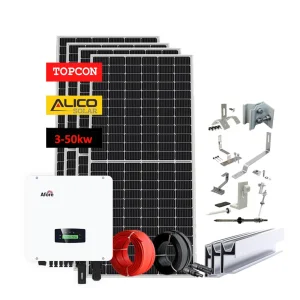
On-grid systems are for cost-saving where the grid is stable. Off-grid systems are for remote locations with no grid. Hybrid systems offer the best of both, providing backup during outages and grid-selling capabilities when solar is abundant.
Our LiFePO4 batteries are rated for 6,000+ cycles at 80% Depth of Discharge (DoD). In a standard residential setting, this equates to roughly 15-20 years of daily use before capacity drops to 70% of its original rating.
Yes, most of our systems (like the Eve 314Ah series) are modular. You can parallel up to 15 units to increase capacity as your energy needs grow. Our BMS automatically balances the load across all connected modules.
We work with a global network of distributors and certified installers who provide on-site support. Additionally, our Shenzhen team offers 24/7 remote monitoring and troubleshooting via our WiFi/GPRS integrated modules.
The Battery Management System (BMS) monitors voltage, current, and temperature at the cell level. It prevents over-charging, over-discharging, and short circuits, and includes thermal runaway protection to ensure the highest safety standards.
Our solar systems and batteries comply with international standards including CE, UN38.3, MSDS, IEC 62619, and UL1973, ensuring they meet the safety and performance requirements of most global markets.
 Suntherra Battery