From domestic manufacturing capabilities to complex multi-megawatt commercial deployment across New York State and global urban networks.
Tailored engineering, certified high capacity, and optimized compatibility with New York’s ConEd grid framework.
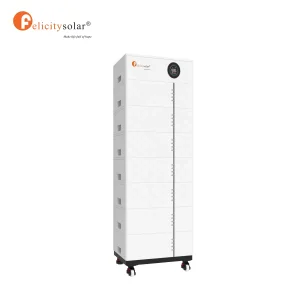
New York is undergoing one of the most aggressive clean energy transitions in the western hemisphere. Spurred by the Climate Leadership and Community Protection Act (CLCPA), New York State has legally mandated a transition to 70% renewable energy generation by 2030 and a zero-emission electricity sector by 2040. Crucial to this roadmap is a target of deploying 6.0 gigawatts (GW) of energy storage by 2030.
For commercial real estate managers, grid engineers, public sector architects, and large-scale industrial consumers across the five boroughs and Upstate New York, this creates a dual mandate: optimizing carbon neutral initiatives while navigating extreme congestion and strict grid safety compliance. Consolidated Edison's (Con Ed) unique underground transmission lines and substation constraints mean that power outages, demand charges, and capacity limits are major strategic issues for commercial complexes.
Our role as a primary solar backup battery manufacturer and global exporter is to deliver robust utility, industrial, and residential BESS assets designed specifically to meet the high technical requirements of NYSERDA programs and regional utility frameworks.
Deploying lithium batteries in the highly congested urban environment of New York City demands the highest safety certifications globally. Systems must adhere to strict fire safety protocols, including UL 9540 (standard for energy storage systems) and UL 9540A testing, designed to characterize thermal runaway risks.
Our commercial and residential LiFePO4 cells are engineered with multi-tier integrated Battery Management Systems (BMS), structural cell isolation barriers, and thermal runaway mitigations to satisfy the strict requirements of FDNY rules and municipal construction codes.
Exporting heavy battery storage assets across international lines demands advanced supply chain integrity. We coordinate full DDP/CIF logistical chains targeting key ports, including the Port of New York and New Jersey, providing customs clearance, ocean shipping, hazardous material handling compliance, and door-to-door project delivery.
Founded in 2014, Shenzhen Suntherra Battery Co., Ltd. has grown from a specialized lithium battery R&D house into a premium OEM/ODM global manufacturer. Rooted in the world’s electronic hardware capital, Suntherra commands a state-of-the-art 12,000 square meter factory staffed by over 180 elite battery scientists, manufacturing technicians, and international supply chain experts.
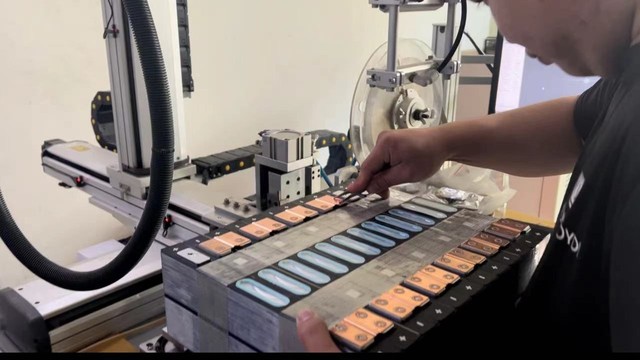
By controlling all aspects of development—from raw material selection, advanced cell assembly, automated module packaging, to smart BMS design—we ensure our systems provide unmatched reliability. This solid foundation makes us a top partner for solar EPCs, wholesalers, and utility developers in New York, New Jersey, and the broader New England region who require zero-compromise product builds.
Comparing technical attributes shows why LiFePO4 stands out as the ultimate standard for commercial safety, longevity, and utility-scale energy resilience.
Lithium Iron Phosphate (LiFePO4 or LFP) offers high thermal stability, zero cobalt, and structural resistance to thermal runaway. With a decomposition temperature of 600°C, it is significantly safer than NMC or LCO alternatives, satisfying dense urban building codes.
Our proprietary Battery Management Systems continuously monitor cell temperature, voltage, and impedance. Advanced balancing algorithms guarantee uniform cell aging, preventing local hot spots and maximizing system lifecycle capacity.
From home-level 8kWh modules to multi-megawatt shipping container systems, our architecture allows modular hot-swapping and seamless parallel expansion without requiring complete system rewiring.
| Battery Chemistry | Nominal Cycle Life (80% DoD) | Thermal Runaway Threshold | Environmental Safety Rating | Ideal Application Scenario |
|---|---|---|---|---|
| LiFePO4 (LFP) | 6,000+ Cycles | 600°C | High (No Cobalt, Low Toxicity) | Commercial, Residential Solar, Grid Storage |
| Lithium Lead Carbon | 3,000+ Cycles | Non-combustible | Medium (Recyclable Lead Content) | Telecom, Wind Integration, Backup UPS |
| Opzv Tubular Gel | 2,000+ Cycles | High Thermal Runaway Resistance | Medium (Maintenance-Free Acid) | Off-Grid, Remote Microgrids, Emergency Systems |
| Lithium Nickel Manganese Cobalt (NMC) | 2,000 Cycles | 210°C | Low (Heavy Metals Content) | Mobile Electric Vehicles, Lightweight Portable |
From high-voltage residential systems to robust lead-carbon and industrial backup power, view our comprehensive exporter catalog.
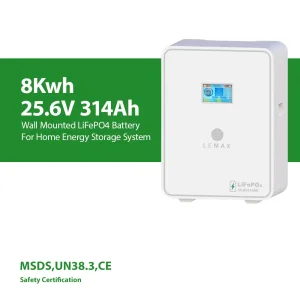
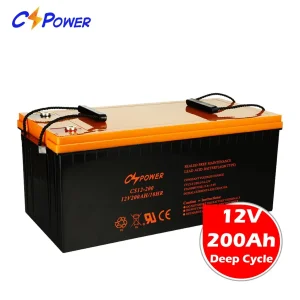
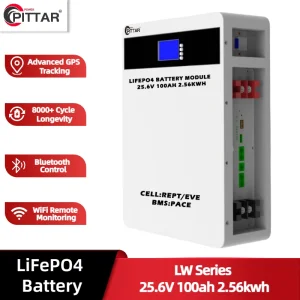
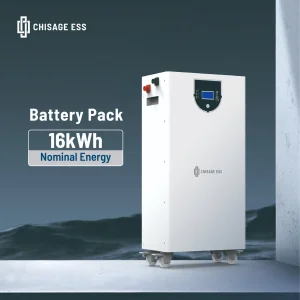
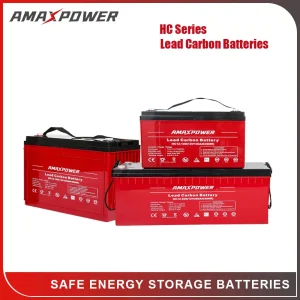
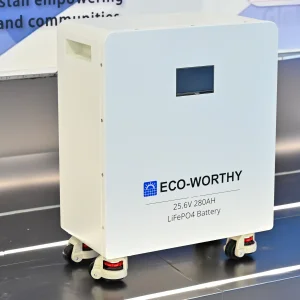
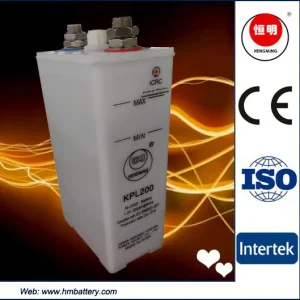
How Suntherra’s energy storage systems perform across urban, commercial, and rural infrastructure setups in NY State.
In NYC, peak power demand rates represent over 50% of monthly commercial electric bills. By integrating a 150kWh to 250kWh BESS, commercial entities charge batteries during lower-cost off-peak hours and discharge during high-load periods, achieving immediate reduction in peak demand charges.
Severe weather, such as winter storms and extreme summer heatwaves, places high stress on NY's transmission systems. Suntherra's solar batteries, coupled with automated microgrid transfer switches, provide uninterrupted power to medical facilities, storage units, and emergency shelters during unexpected grid dropouts.
Telecom and municipal network operators in New York utilize our deep cycle Gel and Lead Carbon backup batteries to ensure reliable operation. These systems function effectively across high and low temperature variations without needing active cooling, lowering site operation costs.
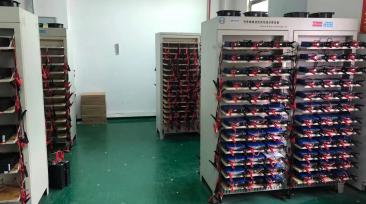
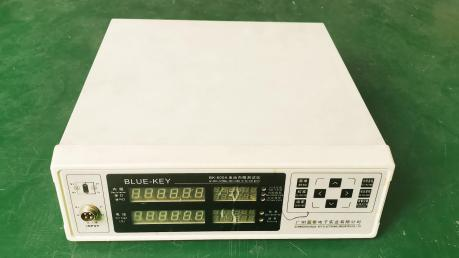
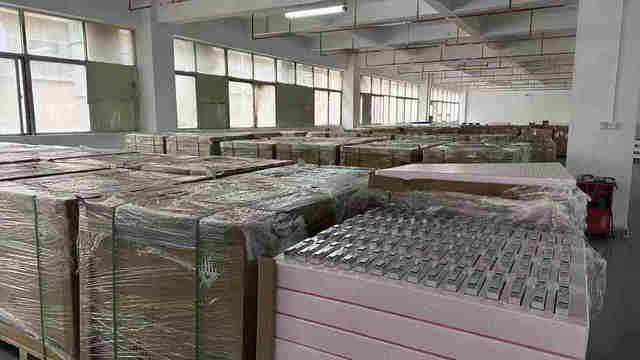
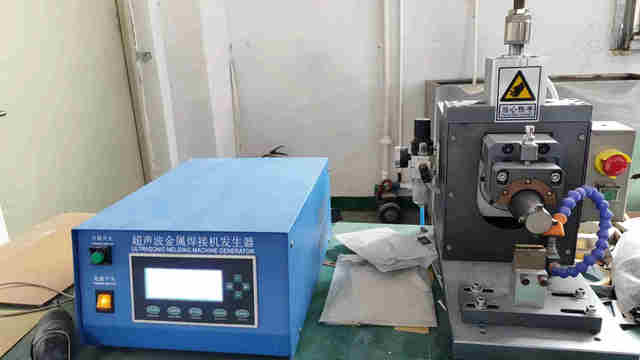
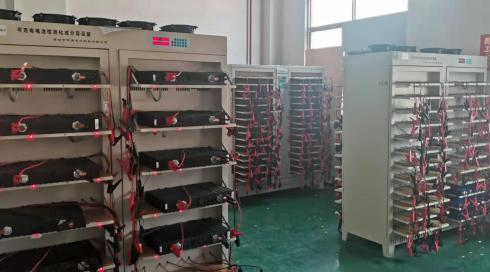
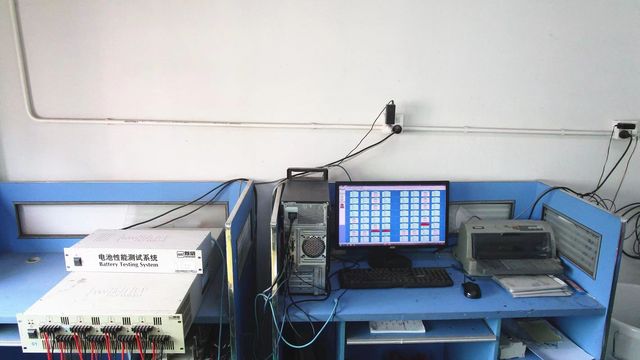
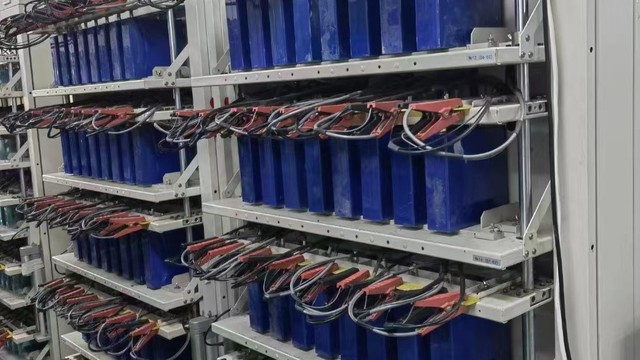
Suntherra operates a modern production facility covering approximately 12,000 square meters and employs more than 180 skilled staff members, including battery engineers, R&D specialists, production technicians, quality control inspectors, and international sales professionals. With advanced automated production lines and strict quality assurance systems, the company ensures high performance, safety, and long cycle life for every battery product.
Driven by innovation, safety, and sustainability, Suntherra continues to expand its global presence across Europe, North America, Africa, and Southeast Asia, delivering efficient and reliable solar energy storage solutions for a greener future. We invite system integrators, EPCs, and clean energy developers to experience the standard of performance expected from a premium battery manufacturer.
Ensure your design integrates with local grids. Use this matrix to match project requirements with safety benchmarks.
Calculate peak draw (kW), baseline usage (kWh), and the duration of backup power required. High energy requirements in cities like Syracuse, Buffalo, and Manhattan must account for both summer air conditioning and winter heat pumps.
Verify that your chosen energy storage systems are certified under UL 9540, which is standard for grid interaction. Confirm your contractor follows National Electrical Code (NEC) Article 706 standards for safety.
Statewide temperatures in New York vary from sub-zero winters to hot summers. Utilize integrated thermal control or active liquid/air cooling (as seen in our 215kWh commercial BESS) to keep battery chemistry within nominal operating temperatures.
Utilize local NYSERDA commercial energy storage incentives, the Federal Investment Tax Credit (ITC) covering up to 30-40% of project costs, and Con Ed utility demand response incentives to optimize the project ROI.
Direct, expert answers to key engineering, regulatory, and logistics questions about solar battery backups.
Get in touch with Shenzhen Suntherra Battery Co., Ltd.'s senior engineering group today. We provide full custom system designs, electrical schematics, compliance documentation, and end-to-end logistics solutions for the New York market.
 Suntherra Battery