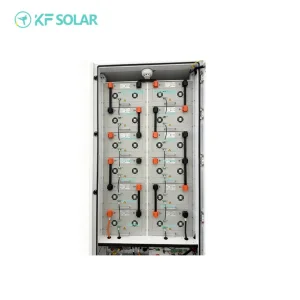
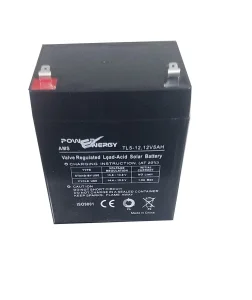
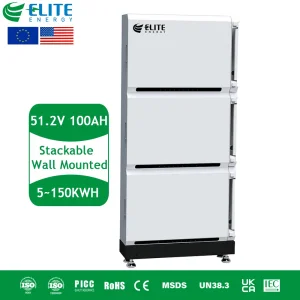
Engineered to deliver grid reliability, optimize power distribution, and provide seamless solar integration across extreme operational environments.
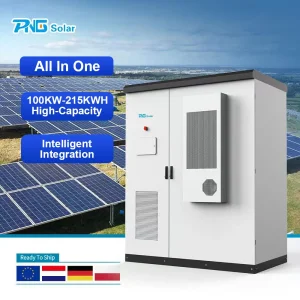
Analyzing global grid-integration challenges, regulatory compliance, and market demands for scalable energy architectures.
Across the globe, power networks face unprecedented disruption. The rapid retirement of baseline fossil-fuel power generators and the expansion of non-dispatchable solar and wind configurations require robust stabilization solutions. At this critical junction, Lithium-Ion Battery Energy Storage Systems (BESS) have transformed from ancillary micro-grid additions into foundational pillars of energy security.
For modern commercial enterprises and heavy industrial facilities, power outages and brownouts directly threaten production output and data integrity. Furthermore, demand-charge pricing from utility companies makes unmanaged power draws incredibly expensive. Deploying custom OEM energy storage assets enables corporations to engage in high-precision peak-shaving, dynamic load shifting, and reactive power compensation. This delivers significant ROI while safeguarding critical infrastructure.
Geographically, Europe's REPowerEU directive and the United States' Inflation Reduction Act (IRA) have accelerated investment in battery storage technologies. This regulatory momentum extends to South Asia, Central America, and Sub-Saharan Africa, where off-grid commercial units power manufacturing, remote mining sites, and off-grid telecommunications towers. High-capacity energy systems are now vital tools for business continuity.
From high-safety LFP configurations to specialty LTO designs and robust hybrid architectures—tailoring storage to specific duty cycles.
Choosing the right battery chemistry is the foundation of any successful OEM project. Engineering is not about finding a single "perfect" chemistry. Instead, it is about matching application-specific demands—such as operating temperatures, cycle counts, power profiles, and regulatory requirements—with the ideal cell technology.
| Battery Chemistry | Typical Cycle Life (DoD 80%) | Thermal Runway Temp | C-Rate Capability | Ideal Application Scenarios |
|---|---|---|---|---|
| Lithium Iron Phosphate (LiFePO4) | 5,000 - 8,000 Cycles | > 270°C | 0.5C - 1C (Continuous) | Commercial Energy Storage (BESS), Residential Wall Systems, Solar Integration |
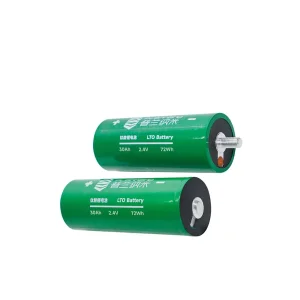
| Lithium Titanate (LTO) | 20,000 - 30,000 Cycles | Extremely Stable | 5C - 10C (High Peak) | Heavy Transit, Grid Frequency Regulation, Extreme Temperature Markets (-40°C to 55°C) |
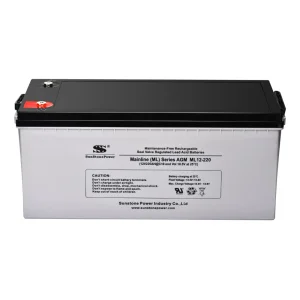
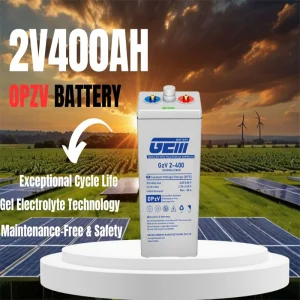
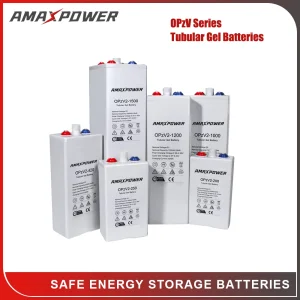
| Solar AGM / Deep Cycle Gel | 800 - 1,500 Cycles | Non-combustible | Low Discharge Only | Cost-sensitive Off-Grid Stations, Backup UPS, Telecommunication Infrastructure |
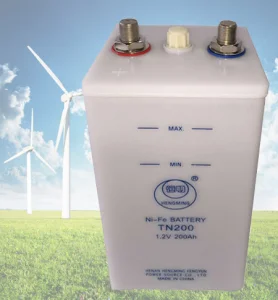
| Nickel-Iron (Ni-Fe) legacy | 10,000+ Cycles (low efficiency) | Inherently Safe | Low / Medium | Remote Off-grid systems with ultra-long (30+ year) lifespan targets |
For standard industrial installations, Lithium Iron Phosphate (LFP) is the clear industry favorite. Its excellent thermal stability and non-explosive reaction profiles prevent thermal runaway, making it the safest choice for populated facilities. For applications in remote climates with high daily cycling demands—such as public transport hubs or grid frequency regulation systems—Lithium Titanate (LTO) cells provide exceptional service life and operate flawlessly in temperatures well below zero.
A look at China's complete raw-material supply chain, automated factory precision, and gigawatt-scale production capabilities.
China refines over 60% of the world's lithium and manages more than 75% of global cathode production. This comprehensive ecosystem allows us to bypass intermediate trading markups and secure first-tier raw materials at direct wholesale pricing.
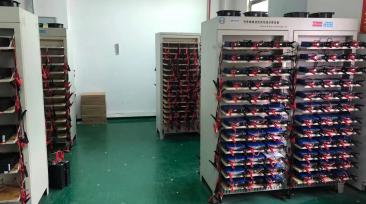
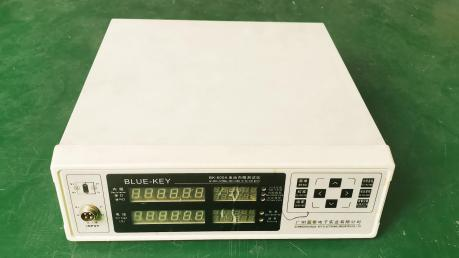
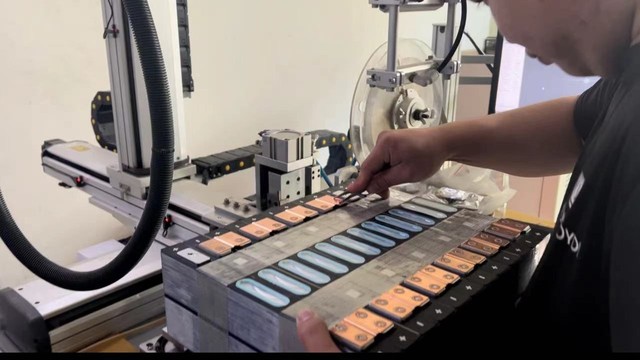
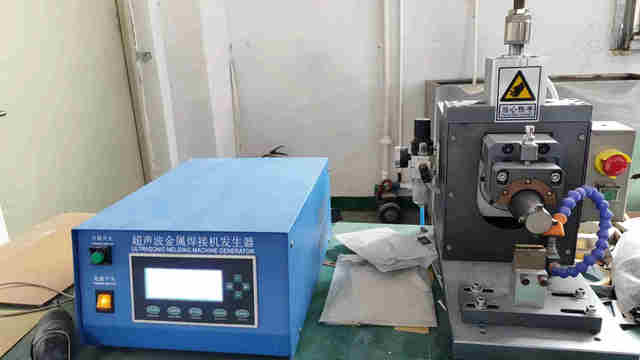
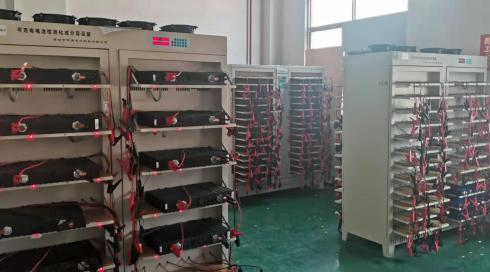
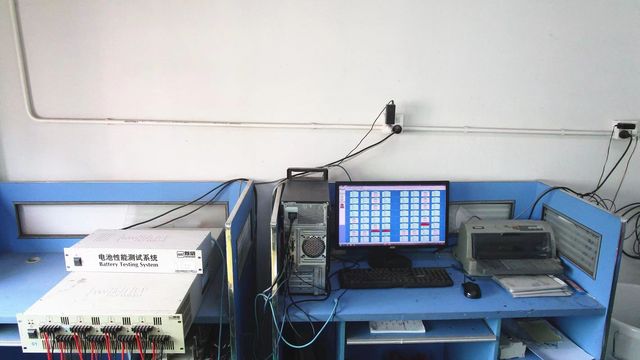
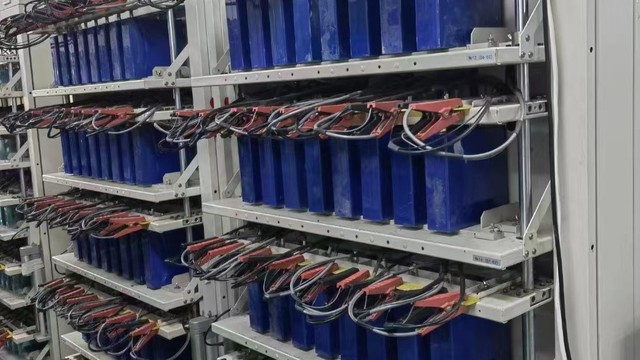
Our automated production facilities feature advanced laser welding, automatic cell sorting, and computerized aging systems. This technology-driven process minimizes human error, ensures voltage uniformity across cells, and guarantees that every pack meets strict safety standards.
We perform comprehensive testing under rigorous conditions. Our battery packs comply with key international safety and transport standards, including UL1973, CE, IEC62619, and UN38.3. This ensures smooth customs clearance and rapid integration into local markets.
How bespoke energy storage architectures solve unique commercial and grid limitations in real-world scenarios.
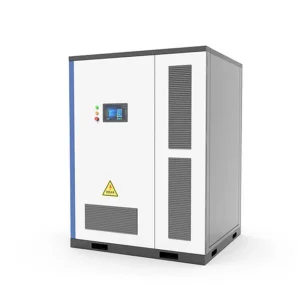
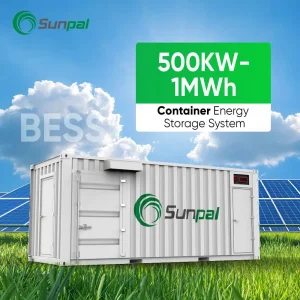
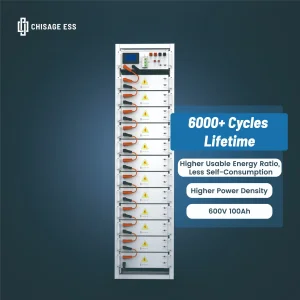
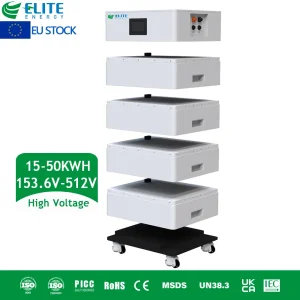
Heavy manufacturing plants often face high demand charges during peak hours. Our high-voltage battery cabinets (such as our 400V 100Ah BESS and 215kWh container systems) are designed to step in during these peak times. By discharging stored energy when grid rates are highest, these systems significantly lower utility costs while protecting heavy equipment from voltage drops and micro-outages.
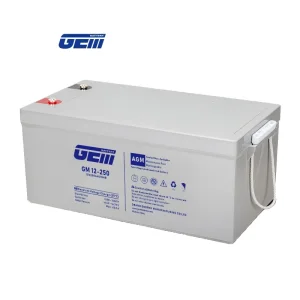
For farming communities, deep-well water pumping systems, and remote mining sites, running diesel generators is both expensive and logistically challenging. Combining our 12V 250Ah Deep Cycle Solar Batteries or our stackable 48V/51.2V LiFePO4 configurations with solar arrays creates highly reliable, self-sufficient microgrids. These clean energy networks deliver dependable power day and night, year-round.
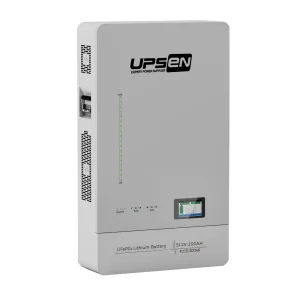
Modern data centers and telecom towers require uninterrupted backup power in compact footprints. Our high-density, wall-mounted, and cabinet-integrated lithium-ion designs provide reliable backup power with a fraction of the weight and space of traditional lead-acid systems. These intelligent units feature built-in remote monitoring systems (BMS) that report real-time state-of-health data over cellular and IP networks.
As electric vehicles become more common, EV charging stations place heavy, unpredictable demands on local power grids. Deploying our high-voltage battery enclosures next to charging plazas allows operators to store energy during off-peak hours. This stored power then buffers the grid when multiple vehicles charge simultaneously, preventing sudden voltage sags and avoiding costly grid upgrade requirements.
A premier production hub in Shenzhen, China, offering custom battery engineering, advanced BMS design, and reliable supply chain integration.
Established in 2014, Shenzhen Suntherra Battery Co., Ltd. is a leading manufacturer specializing in innovative solar storage systems and integrated power solutions for the international renewable energy market. Over the last decade, we have established ourselves as a premier OEM/ODM supplier, delivering advanced lithium battery banks, robust deep cycle products, and complete commercial BESS configurations.
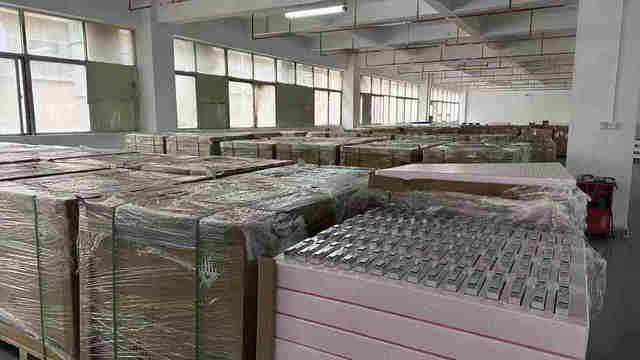
Our operations are based in Shenzhen, China, where we run a modern 12,000 square meter factory equipped with automated production lines. We are supported by a dedicated team of over 180 experienced battery technicians, R&D engineers, quality inspectors, and international logistics coordinators. This comprehensive setup ensures that every battery cell we assemble delivers exceptional cycle life, peak performance, and ultimate thermal safety.
As a full-service OEM and ODM partner, Suntherra offers flexible, complete customization solutions, including:
Answering key technical questions regarding certification, battery safety, and shipping logistics.
For typical customized configurations (such as the 215kWh and 372kWh cabinets), production times generally range from 35 to 45 days. This timeline includes structural casing production, advanced cell balancing, integrated BMS programming, and a minimum 72-hour continuous thermal load test to ensure absolute reliability prior to packaging.
Our large-scale utility configurations rely exclusively on premium LiFePO4 cells with safety pressure-relief vents. Our multi-tier BMS monitors individual cell voltages, state-of-health metrics, and local temperatures. In the rare event of a temperature surge, the BMS automatically disconnects the affected module. Additionally, our commercial cabinets can be equipped with integrated aerosol or liquid-fire suppression systems to meet the strictest local fire safety standards.
Yes. Our integrated BMS supports standard communication protocols, including CANbus, RS485, and Modbus. This allows our storage systems to communicate seamlessly with popular inverter brands such as Victron Energy, Growatt, Deye, SMA, and Sungrow. Our engineering team can also flash custom CAN protocols onto the BMS during production to match your specific inverter brand.
Lithium-ion energy storage systems are classified as Class 9 Dangerous Goods. We provide complete documentation for safe transport, including UN38.3 test reports, Material Safety Data Sheets (MSDS), and drop-test packaging certifications. This ensures compliant, hassle-free customs clearance at all major international ports.
We calculate SOH (State of Health) through continuous testing across charge and discharge cycles. Under standard operating conditions (25°C, 0.5C charge/discharge, 80% Depth of Discharge), our high-capacity LiFePO4 systems retain more than 80% of their initial capacity after 6,000 cycles. We back our premium commercial systems with a comprehensive 5 to 10-year manufacturer's warranty, supported by our technical team in Shenzhen.
Engineered for high-capacity applications, remote infrastructure, and specialized energy storage configurations.
 Suntherra Battery