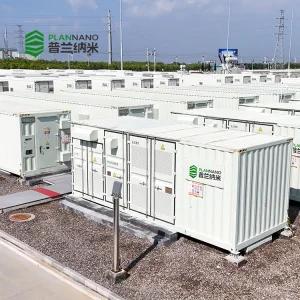
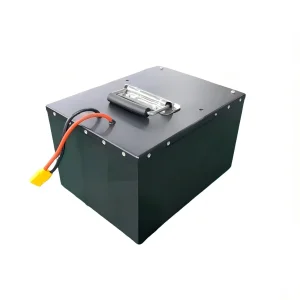
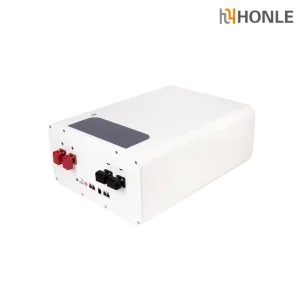
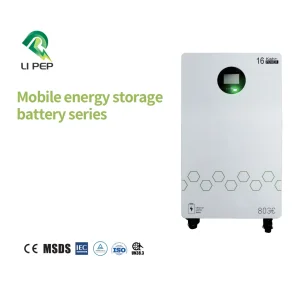
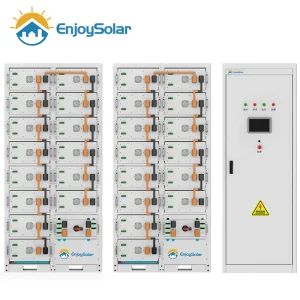
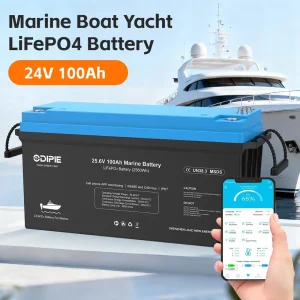
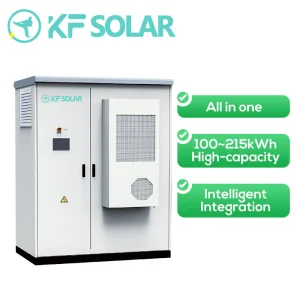
In the high-altitude mines of Northern Chile, grid stability is a luxury. Our specialized high-capacity battery containers (up to 37.2MWh) provide the 24/7 reliability required for copper and lithium extraction operations, ensuring zero downtime.
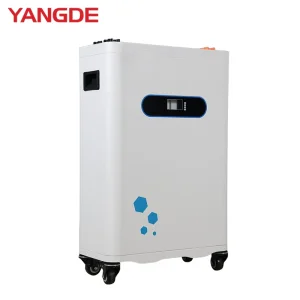
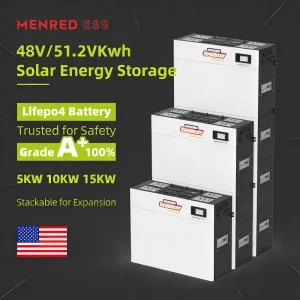
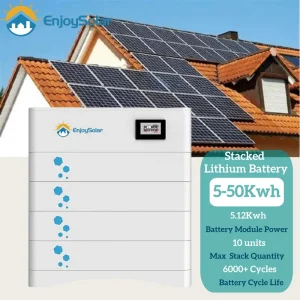
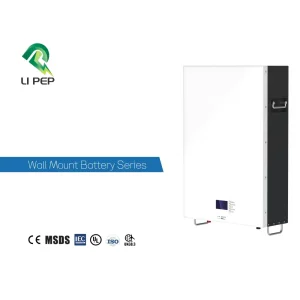
With electricity prices rising in cities like Santiago and Concepción, Chilean homeowners are turning to 10kWh-20kWh stackable LiFePO4 systems to achieve peak shaving and complete energy independence.
Chile's fruit export industry relies on precision cooling. Our off-grid solutions empower farms in the Central Valley to maintain cold chain integrity using solar-powered storage systems without relying on diesel generators.
When sourcing solar batteries from China, Chilean importers must prioritize BMS (Battery Management System) compatibility with popular local inverters like Victron, Growatt, and Deye. Our products are pre-configured with RS485 and CAN communication protocols specifically optimized for the Chilean grid standard and remote off-grid monitoring.
Global Reliability, Rooted in Professional Battery Engineering
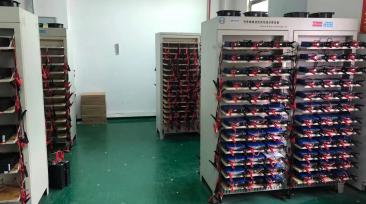
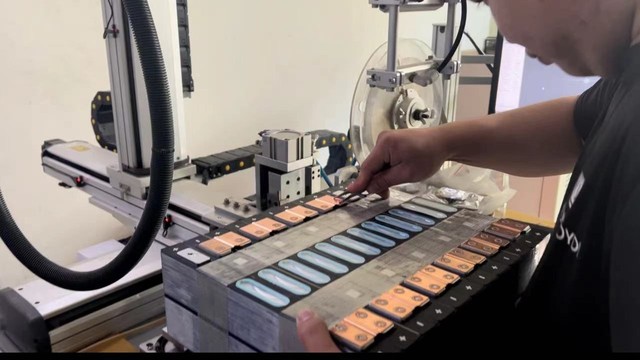
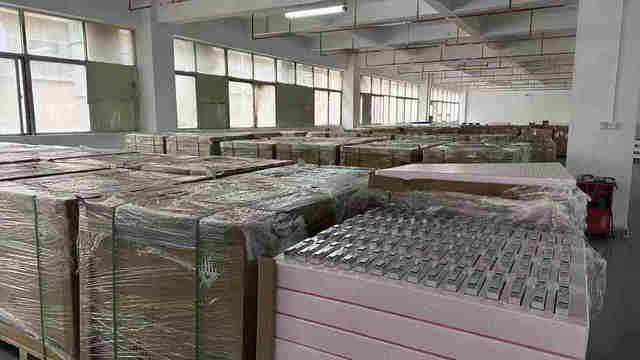
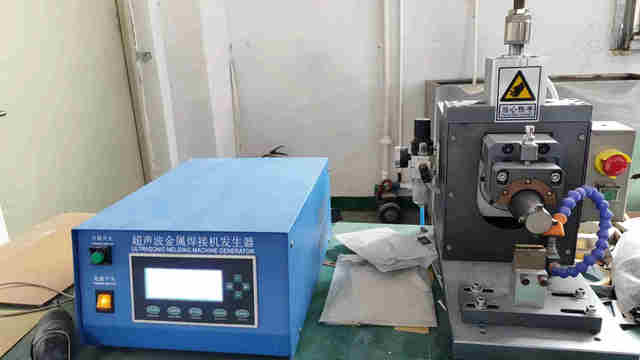
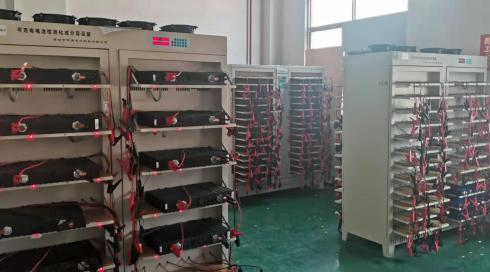
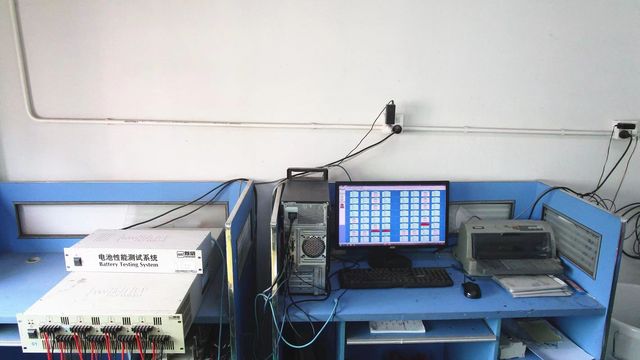
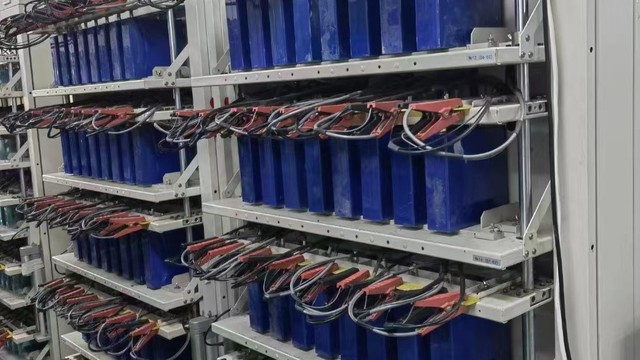
Established in 2014, Shenzhen Suntherra Battery Co., Ltd. has emerged as a cornerstone of the renewable energy supply chain. Based in the heart of China's tech hub, we operate a 12,000 square meter facility dedicated to the R&D and production of Tier-1 lithium storage solutions.
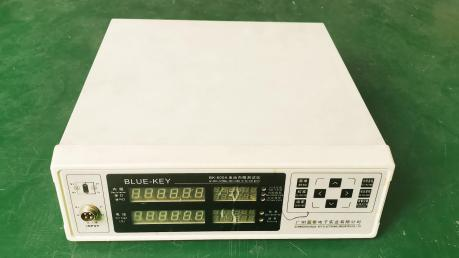
With over 180 specialists, including thermal management engineers and software developers, we focus on the entire lifecycle of the battery. From cell sorting to final BMS integration, our quality control exceeds international standards including CE, UN38.3, and MSDS.
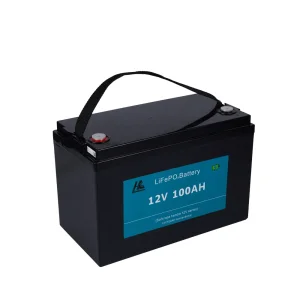
1. The Decline of Lead-Acid: Traditional lead-acid batteries are no longer viable for the Chilean market due to low depth-of-discharge (DoD) and frequent maintenance needs in remote areas like San Pedro de Atacama. Our LiFePO4 solutions offer 100% DoD and zero maintenance.
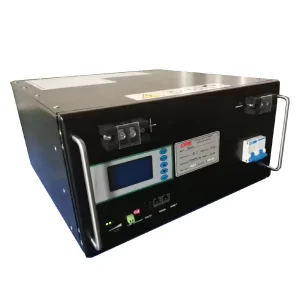
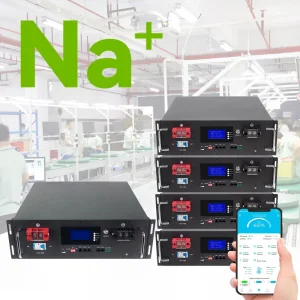
2. Sodium-Ion Integration: As a leading innovator, Suntherra is introducing Sodium-Ion rack-mounted batteries. These are particularly effective for Chile’s colder regions (Aysén, Magallanes) where lithium performance might drop, as sodium-ion maintains better discharge rates in sub-zero temperatures.
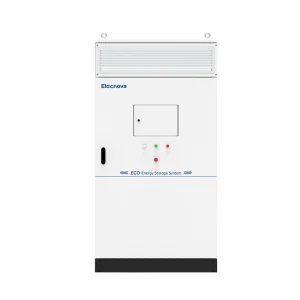
3. High-Voltage Ecosystems: For commercial solar farms in the Biobío Region, high-voltage battery stacks (up to 400V+) are becoming the standard to reduce cable losses and increase conversion efficiency.
4. Smart Monitoring: Real-time data via WiFi/GPRS is now a requirement. Chilean installers can monitor battery health from Santiago even if the installation is 1,000km away.
 Suntherra Battery