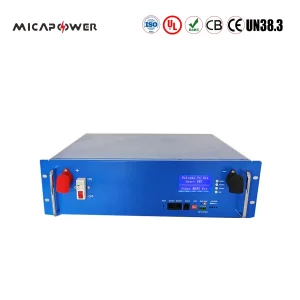
Discover our range of industrial, commercial, and residential energy storage systems designed for seamless integration and maximum performance.
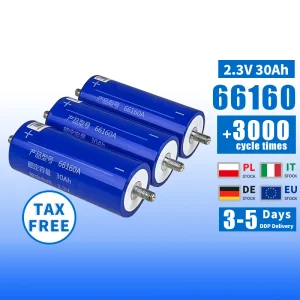
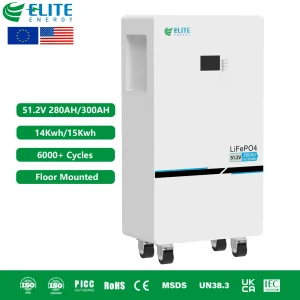
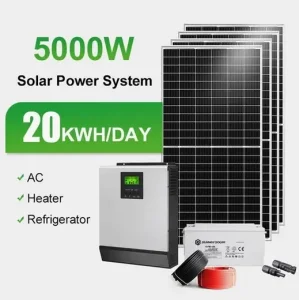
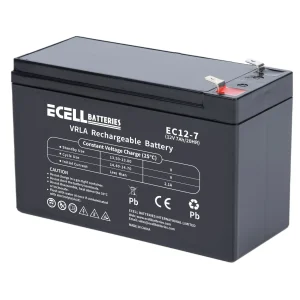
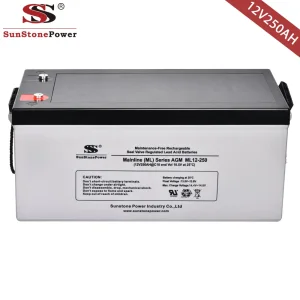
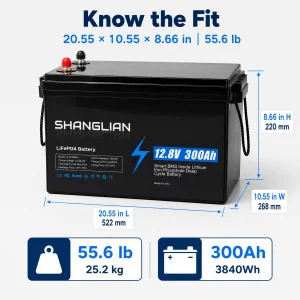
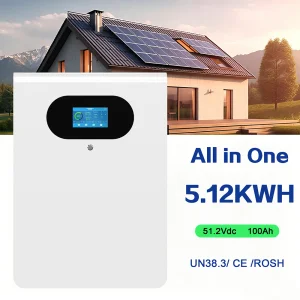
The global renewable energy landscape is witnessing a structural transformation. Conventional off-grid or grid-tied solar setups are rapidly giving way to integrated hybrid solar power systems. As utility grids face unprecedented strain from extreme weather events and fluctuating demand, hybrid systems provide the critical link: localized grid resilience coupled with grid-interaction capabilities. By combining photovoltaic generation, energy storage systems (ESS), and intelligent bidirectional inverters, hybrid architectures enable businesses and homes to seamlessly transition between self-consumption, grid backup, and power injection.
As a leading CE certified hybrid solar power system exporter, Shenzhen Suntherra Battery Co., Ltd. stands at the intersection of high-tier battery technology and intelligent power management. B2B procurement officers, utility developers, and solar system integrators must understand that compliance, thermal management, and Levelized Cost of Storage (LCOS) are the primary differentiators in modern energy installations. This document serves as an engineering and strategic procurement guide to optimizing energy infrastructure with certified safety standards.
For distributors and infrastructure developers across Europe, South America, and parts of Asia, CE certification is not merely a legal label; it is a rigorous validation of electromagnetic compatibility (EMC), low voltage safety (LVD), and hazardous substances restriction (RoHS). In the solar storage industry, sub-standard products pose significant fire hazards, grid synchronization issues, and mechanical failure risks.
A certified hybrid energy system ensures compliance with directives such as EN 62109-1 and EN 62109-2 (safety of power converters in PV systems), alongside EN 62619 for industrial lithium batteries. By selecting a certified exporter like Shenzhen Suntherra Battery Co., Ltd., procurement teams mitigate liability, fast-track local grid approvals, and guarantee operational integrity over a 10-to-15-year lifecycle. From dynamic grid interface control to overcurrent and overvoltage protections, our systems meet the absolute threshold of international quality assurance.
We build storage systems designed to maximize efficiency, durability, and return on investment for global enterprise customers.
Strict adherence to CE EN 62619 and EN 62109 safety standards. Guaranteed safe grid-tied integration and thermal runway protection mechanisms.
Proprietary intelligent battery management systems monitoring voltage, temperature, and current metrics down to cell-level resolution.
Bespoke product configurations, structural styling, logo branding, and customized voltage systems ranging from 12V up to 500V high-voltage setups.
Commercial energy procurement has shifted from a capital expense minimization model to an operational resilience and decarbonization strategy. Businesses worldwide are facing localized energy challenges that dictate distinct technological requirements:
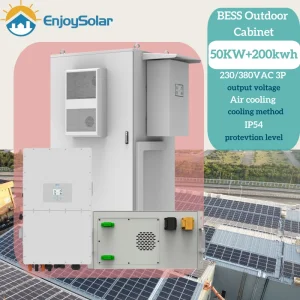
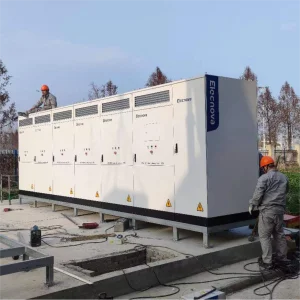
A. European Industrial Energy Arbitrage & Peak Shaving: In Central and Western Europe, high peak-demand grid tariffs make commercial storage cabinets (e.g., 100kWh to 200kWh LiFePO4 configurations) essential. By storing energy during low-demand periods or peak solar generation and discharging during maximum demand hours, enterprises drastically reduce demand charges.
B. North American Utility Stability & Resiliency: Across commercial zones prone to grid instability, high-capacity hybrid systems offer seamless microgrid transition within milliseconds. Businesses keep operations running without interruptions while retaining the ability to feed excess power back to the local utility under net-metering regulations.
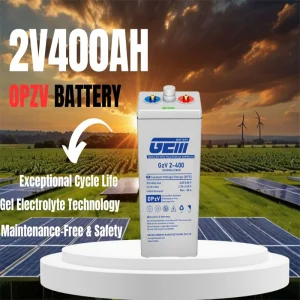
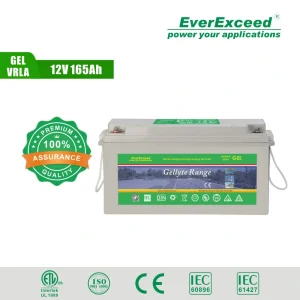
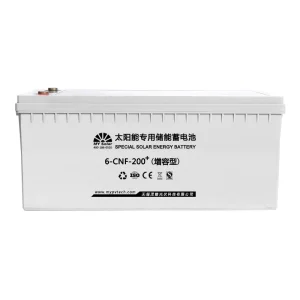
C. Emerging Markets & Telecommunication Off-Grid Autonomy: In remote regions of Africa, South America, and Southeast Asia, telecommunications towers and localized microgrids rely heavily on deep-cycle gel and tubular OPzV batteries. These cells withstand high operating temperatures, sustain deep discharges (up to 80% DOD), and require minimal maintenance over a 15-year operational lifecycle.
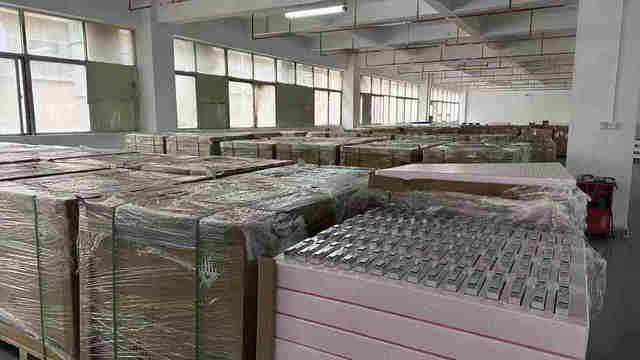
Understanding the internal dynamics of Chinese manufacturing is key to securing competitive advantages in B2B supply chains. Shenzhen Suntherra Battery Co., Ltd. leverages the advanced industrial ecosystem of Shenzhen, integrating R&D, automated assembly, and standardized testing workflows. Operating a 12,000 square meter factory staffed by 180+ professionals, Suntherra guarantees consistent quality output.
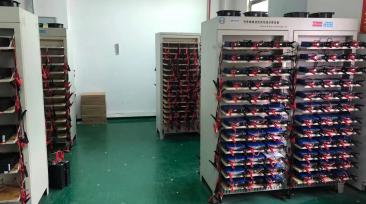
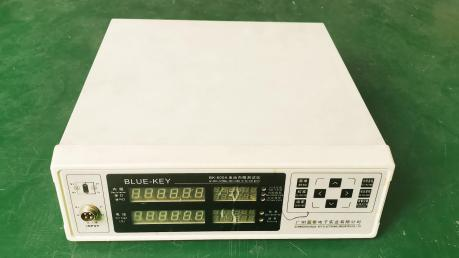
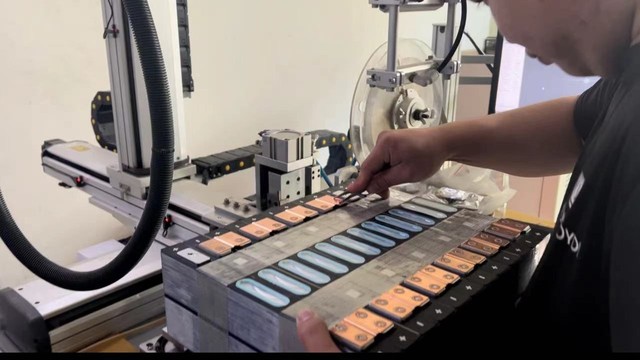
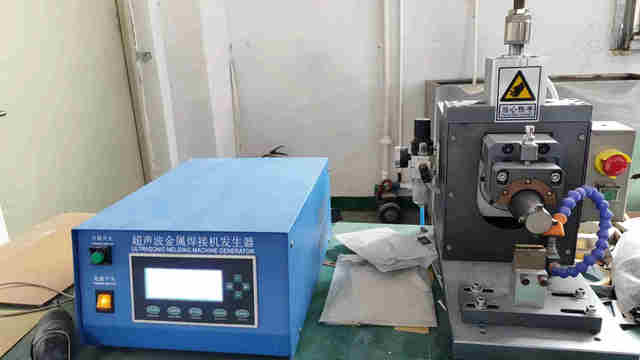
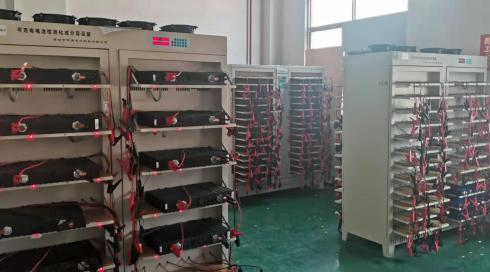
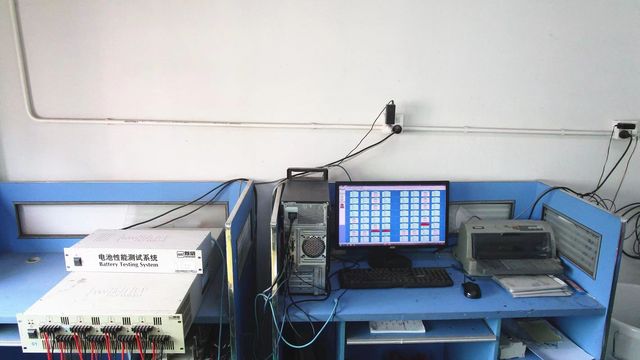
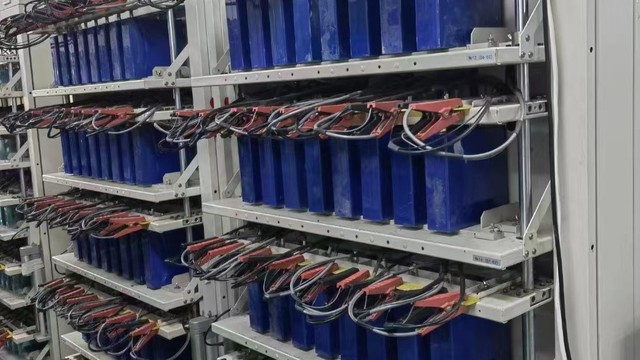
Our Industry 4.0 production line integrates robotic cell sorting, laser welding, and automated burn-in testing chambers. Every lithium-ion and LiFePO4 cell undergoes meticulous capacity matching and internal resistance evaluation to ensure pack-level homogeneity. Heterogeneity within a battery pack accelerates degradation; our automated matching processes prevent this, allowing our products to reliably achieve 6000 cycles at 80% Depth of Discharge.
Suntherra's state-of-the-art facility in Shenzhen, China, utilizing automated assembly lines and rigorous validation procedures.
B2B buyers often find themselves deciding between different storage chemistries. The modern hybrid solar ecosystem does not rely on a single solution; instead, the ideal selection depends on specific budget considerations, environmental constraints, and cycle requirements:
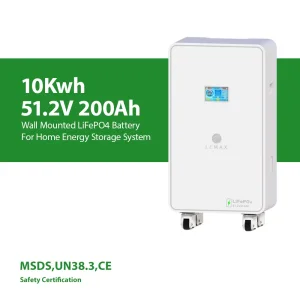
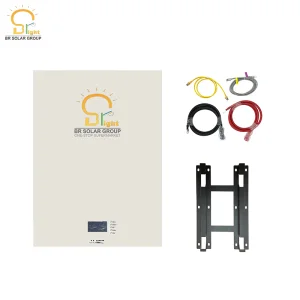
LiFePO4 (Lithium Iron Phosphate): Represents the gold standard for residential solar setups, high-density commercial cabinets, and microgrids. They boast extreme thermal stability, zero maintenance requirements, and an exceptional cycle life of 4000 to 6000+ cycles. Although upfront cost is higher, the LCOS (Levelized Cost of Storage) is the lowest over time.
OPzV Tubular Gel Batteries: Designed specifically for telecom installations, critical remote infrastructure, and high-temperature environments. With a lifespan of 15–20 years in float standby conditions and high resistance to deep discharge cycles, they serve as a highly reliable intermediate technology.
AGM/VRLA Sealed Lead-Acid: A cost-efficient solution for entry-level projects, emergency standby backup power, and short-term applications. AGM systems require lower initial investments but offer fewer cycles, making them ideal for standby backup rather than daily cycling applications.
Get technical insights and answers to essential procurement queries regarding our hybrid solar storage products.
High-capacity batteries and energy cabinets engineered to handle heavy duty cycles and reliable backup operations.
 Suntherra Battery