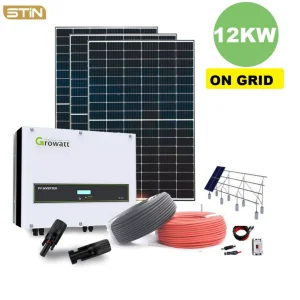
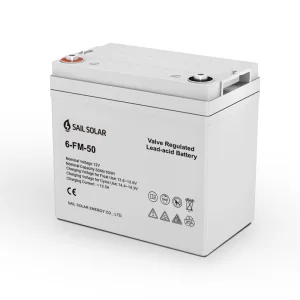
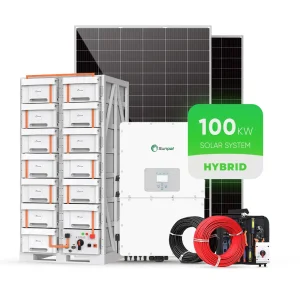
In the current global energy landscape, the transition from centralized power grids to decentralized, resilient energy networks is accelerating. Hybrid solar batteries have emerged as the cornerstone of this evolution. Unlike traditional systems, hybrid solutions offer the unique capability to manage power flow between the solar array, the battery bank, and the utility grid simultaneously.
For commercial and industrial (C&I) sectors, the motivation is clear: Peak Shaving and Load Shifting. By storing energy during low-tariff periods and discharging during peak demand, enterprises are reducing operational costs by up to 40%. In regions like Europe and North America, stringent carbon neutrality goals and grid instability are driving a 25% year-on-year growth in hybrid storage adoption.
Shenzhen Suntherra Battery Co., Ltd. stands at the forefront of the energy storage revolution. Established in 2014 in the heart of China’s Silicon Valley—Shenzhen—we have spent a decade refining the intersection of battery chemistry and intelligent power electronics.
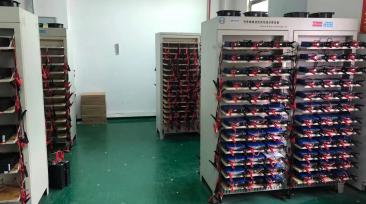
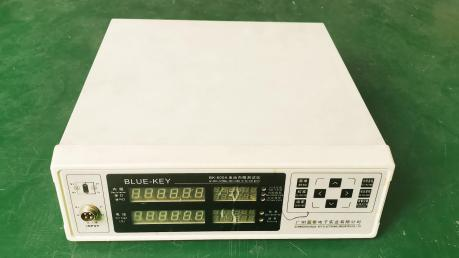
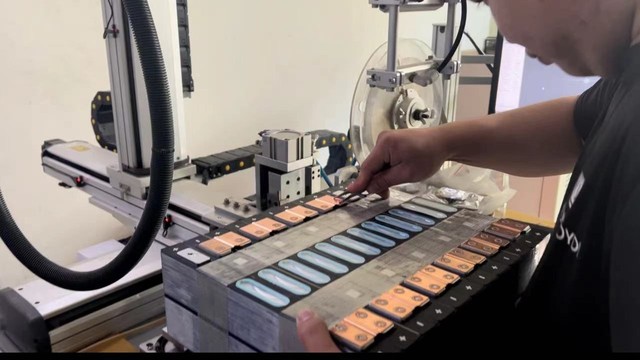
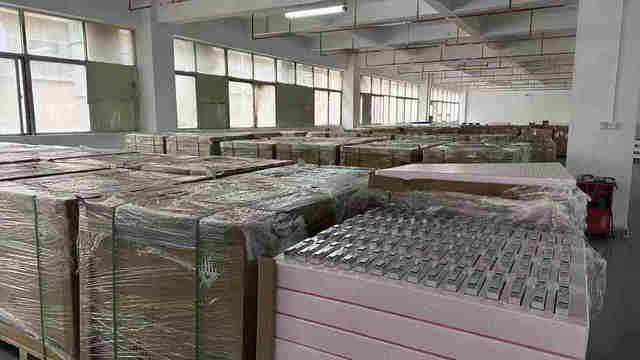
Our 12,000 sqm facility utilizes high-speed automated production lines that minimize human error, ensuring consistency in cell matching and internal resistance—crucial for 51.2V and high-voltage (HV) systems.
With over 180 skilled staff members and a dedicated R&D wing, we focus on Smart BMS Integration, allowing our batteries to communicate seamlessly with world-leading inverter brands.
Our CE-certified hybrid solar batteries undergo rigorous stress tests, including nail penetration, thermal runaway simulation, and overcharge protection, ensuring a decade of worry-free operation.
Our facility is not just a factory; it is an OEM/ODM innovation hub. We provide customized solutions including battery capacity design, BMS configuration, voltage optimization, and structural engineering for global distributors and solar system integrators.
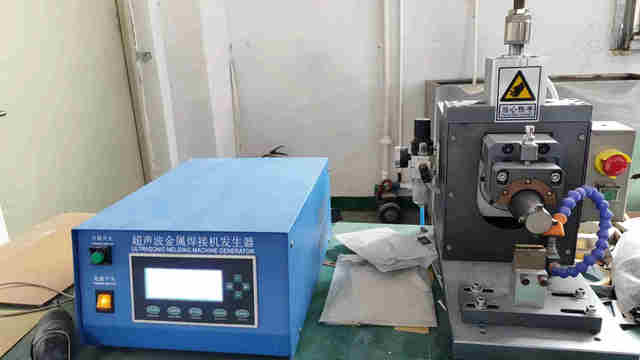
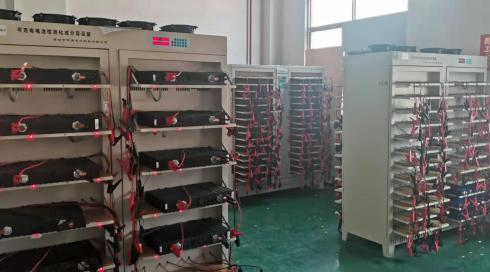
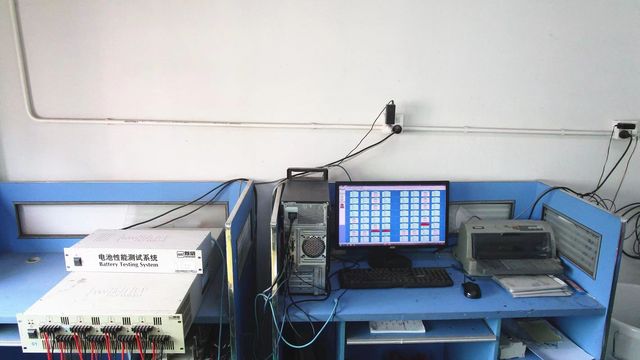
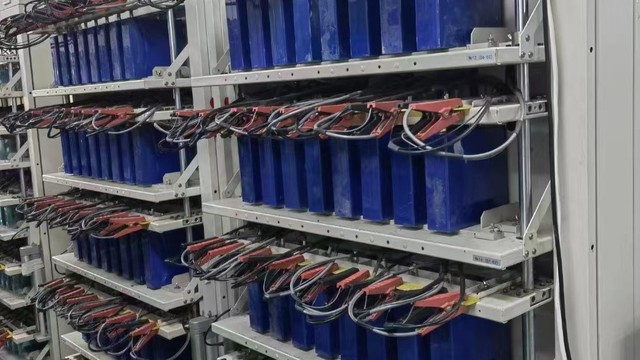
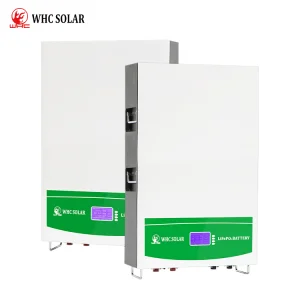
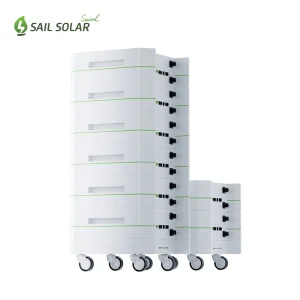
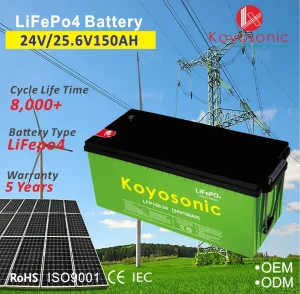
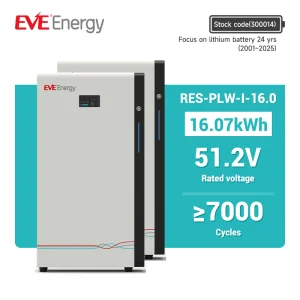
In markets like Germany and Australia, hybrid solar batteries enable homeowners to achieve 80%+ self-consumption. Our stackable LiFePO4 units allow for modular expansion as family energy needs grow.
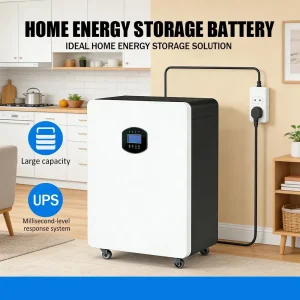
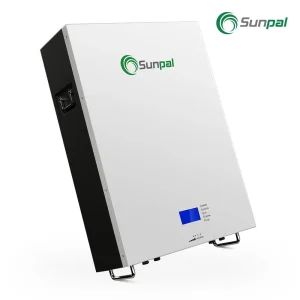
For regions in Africa and Southeast Asia with unreliable grid infrastructure, our All-in-One Powerwalls provide a plug-and-play lifeline, supporting medical clinics, schools, and small businesses.
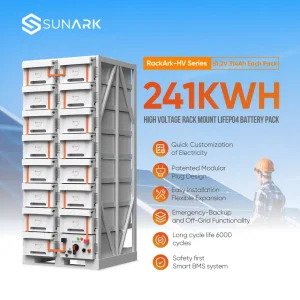
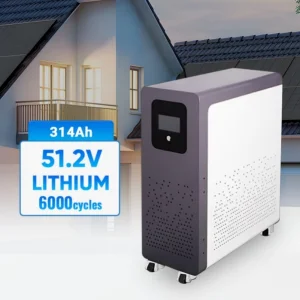
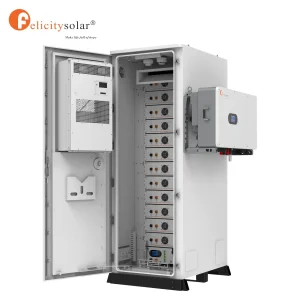
Factories and data centers utilize our high-capacity 280Ah/314Ah cabinets to mitigate expensive demand charges, providing a high ROI through sophisticated energy management algorithms.
The industry is moving beyond simple storage to Intelligent Energy Assets. Here are the four mega-trends we are integrating into our production lines:
Selecting a CE Certified Factory is just the first step. Professional buyers must evaluate the Levelized Cost of Storage (LCOS). A cheaper battery with a 2,000-cycle life is exponentially more expensive than a Suntherra battery with 6,000+ cycles when calculating total cost of ownership.
Key Procurement Checklist:
1. BMS Compatibility: Does the factory support CAN/RS485/RS232 protocols for your specific inverter?
2. Thermal Management: Is the cabinet designed for passive cooling or active liquid cooling for high-C rate discharges?
3. Warranty Terms: Does the factory offer a linear performance warranty backed by transparent testing data?
 Suntherra Battery