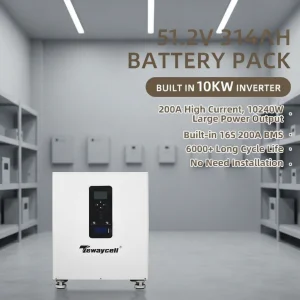
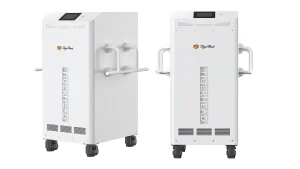
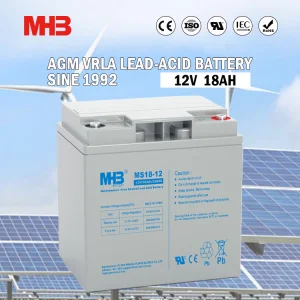
Explore our top-selling off-grid microgrid, heavy-duty industrial BESS, and robust residential power walls designed to handle harsh climate challenges.
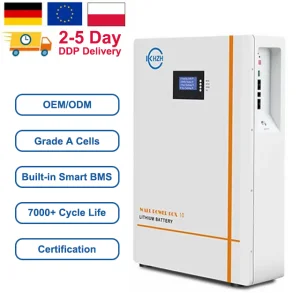
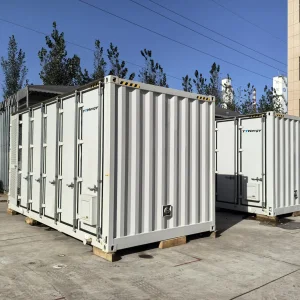
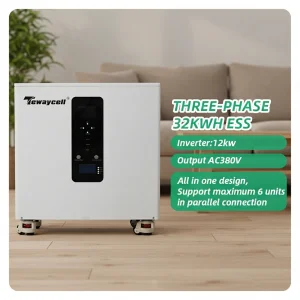
Namibia, located in the south-western region of Africa, presents one of the most promising environments globally for solar energy generation, enjoying average solar radiation levels exceeding 3,000 kWh/m² annually. However, the country’s high solar potential stands in stark contrast to its historical dependence on imported electricity. Historically, Namibia has relied on electricity imports from neighboring countries through the Southern African Power Pool (SAPP)—primarily via South Africa's Eskom network. With Eskom facing ongoing transmission constraints and domestic load shedding, the imperative for energy self-reliance in Namibia has never been more urgent.
Under the national Harambee Prosperity Plan and NamPower’s Integrated Resource Plan (IRP), there is a strategic shift toward establishing decentralized renewable generation combined with localized utility-scale and commercial-and-industrial (C&I) battery energy storage systems (BESS). Integrating robust solar storage systems is essential to balance grid fluctuations, manage peak load times, and guarantee continuous supply for the remote mining sites, eco-tourist lodges, and expansive farming sectors that drive the Namibian economy.
Deploying energy storage in the Kalahari or Namib Desert environments requires a departure from standard storage specifications. System design must account for two primary environmental stressors:
At Shenzhen Suntherra Battery Co., Ltd., our R&D efforts are focused directly on resolving these environmental operational bottlenecks. By implementing premium grade-A prismatic LiFePO4 cells, combined with intelligent custom-built BMS (Battery Management Systems), we guarantee over 6,000 to 8,000 charge-discharge cycles even at 80% Depth of Discharge (DoD).
Our dynamic BMS features adaptive thermal throttling, over-voltage/current mitigation, and predictive health monitoring. Crucially for Namibia’s vast and sparsely populated geography, our BESS platforms support remote monitoring protocols via IoT integrations (supporting Modbus, CANBUS, RS485, and GSM/LTE modules), enabling engineers in Windhoek to monitor the performance of remote storage units located in Sossusvlei, Etosha, or Oranjemund in real-time.
How Suntherra’s energy storage systems solve critical power challenges across the country's primary commercial activities.
Namibia is rich in uranium, diamonds, lithium, and copper. Mines located off-grid face extreme energy bills from running diesel generators 24/7. Suntherra's modular containerized BESS allows heavy mining equipment to run on solar arrays, shaving peaks and providing grid stability, lowering operating costs and CO₂ emissions.
Eco-lodges across the Namib Desert require silent, zero-emission electricity to maintain guest comfort and minimize environmental impact. Our LiFePO4 home batteries and mobile energy storage units store excess daytime solar energy, replacing noisy generator units during evening and night hours.
Farming sectors in remote areas rely heavily on water pump systems. Unstable solar output due to transient cloud cover can stall pump motors. Integrating our rack-mounted LiFePO4 batteries stabilizes voltage, ensuring clean, continuous irrigation pump operations without damaging delicate machinery.
Combining local engineering expertise with China's world-leading lithium manufacturing ecosystem for unrivaled quality, speed, and cost efficiency.
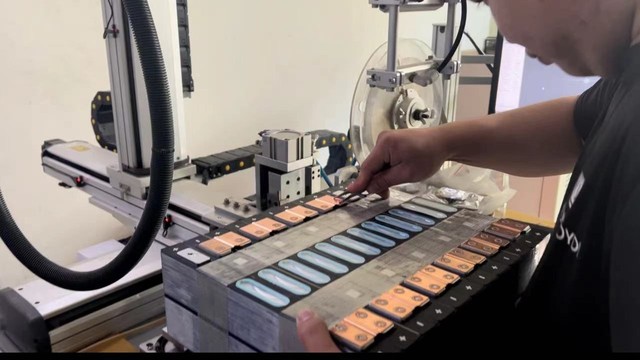
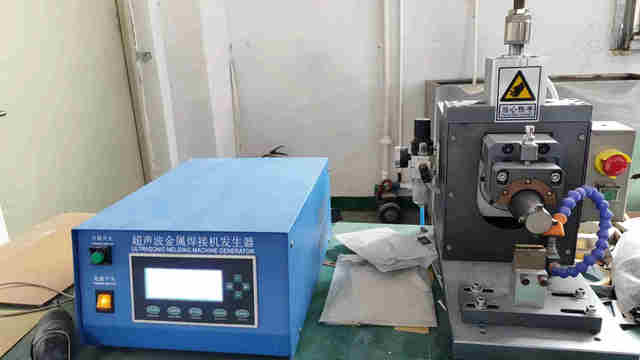
Shenzhen Suntherra Battery Co., Ltd. leverage the unique geographic and structural advantages of the Shenzhen electronics and battery manufacturing hub. By utilizing our direct access to high-purity lithium cells, automated packaging equipment, and highly optimized raw material supply chains, we bypass middlemen to offer direct-to-developer OEM and ODM solutions.
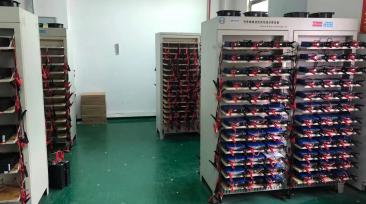
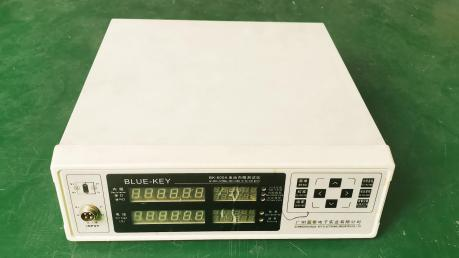
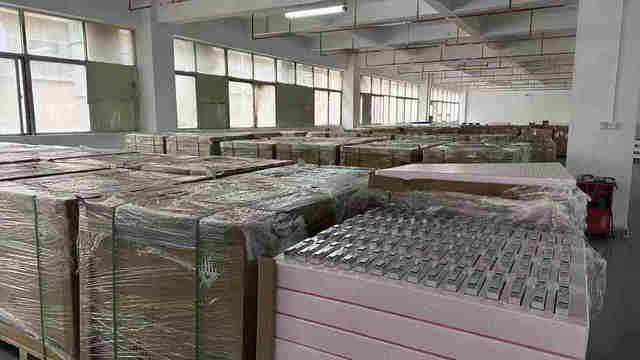
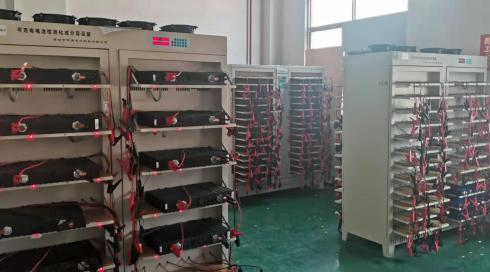
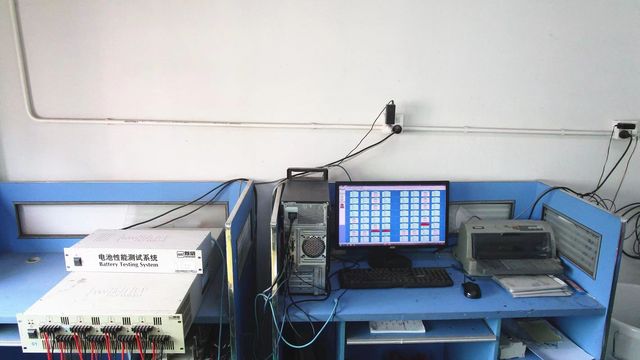
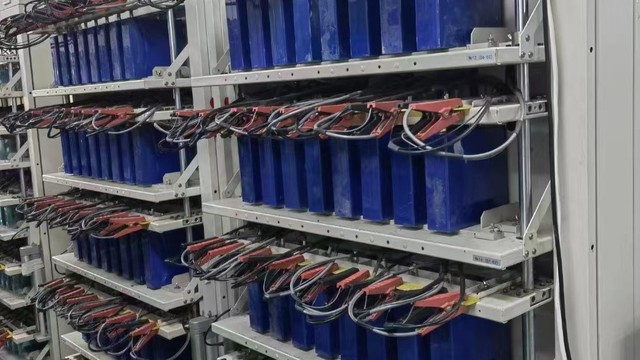
Every battery pack goes through a battery cell grading process (separating cells by capacities down to milliamp-hour precision), followed by cycle aging testing, vibration tests, and high-temperature environmental simulation tests before being packaged and loaded into export containers. This guarantees that when the battery arrives at a remote site in Namibia, it operates perfectly out of the box.
When importing solar components into Namibia, compliance with international standards is vital to secure funding from multilateral development banks (such as the African Development Bank or KfW) and to gain NamPower grid integration approvals.
Our manufacturing processes are certified under ISO 9001:2015, and our entire storage product catalog has completed strict international testing to achieve UN38.3 (transportation safety), CE, IEC 62619 (safety for industrial lithium systems), and UL 1973 certifications. Additionally, our system topologies are compatible with leading European and global hybrid inverter brands commonly used in South Africa and Namibia, such as Deye, Victron Energy, Sunsynk, and SMA.
Operating across Namibia means understanding localized shipping networks. Suntherra provides customized logistics solutions, shipping directly to the Port of Walvis Bay or distributing via Johannesburg-based transport networks.
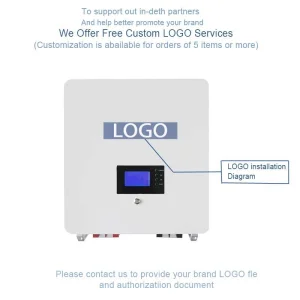
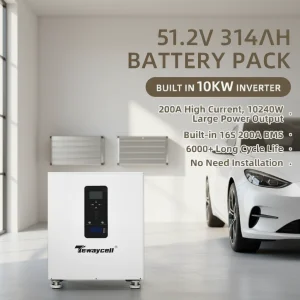
We supply distributors and system integrators with fully customizable OEM packages—including custom-designed steel cabinet enclosures to handle extreme environmental heat, custom BMS communication profiles, custom power levels (from 5kWh home walls up to multi-megawatt industrial grid containers), and integrated local labeling.
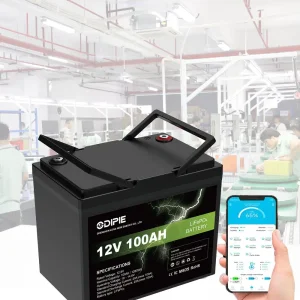
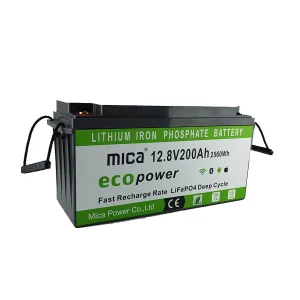
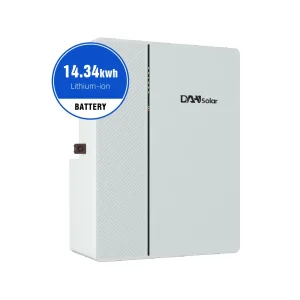
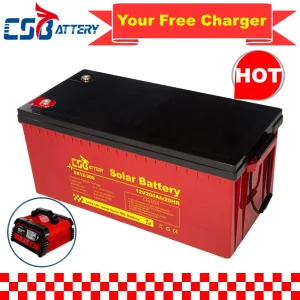
Reliable technology configurations designed for residential, commercial, industrial, and agricultural off-grid systems.
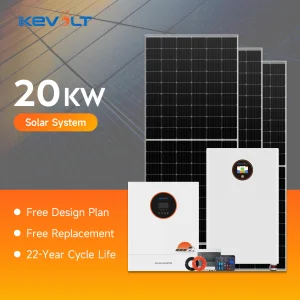
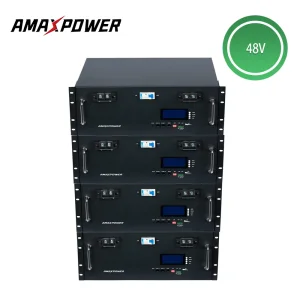
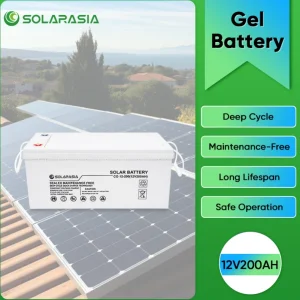
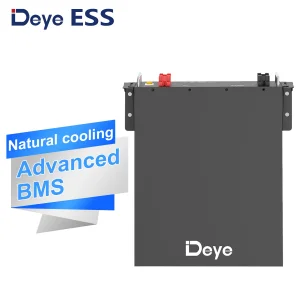
Key technical and logistical information you need when designing renewable energy projects in Southern Africa.
 Suntherra Battery