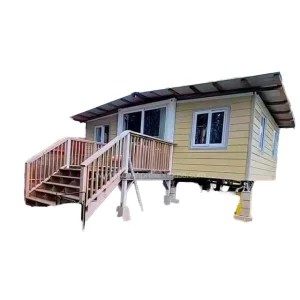
Premium Grade LiFePO4 battery solutions engineered for Western Australia’s climate, tailored for urban grids, microgrids, and remote agricultural stations.
Western Australia is undergoing a massive decentralization of its energy grid. Unlike the eastern states connected via the National Electricity Market (NEM), Perth and its surrounding areas operate under the South West Interconnected System (SWIS). Because of this isolation, regional microgrids, heavy mining operations in the Pilbara, and expansive agricultural installations throughout the Wheatbelt rely heavily on robust, distributed battery energy storage systems (BESS).
The Western Australian Government's Distributed Energy Resources (DER) Roadmap highlights the critical role of utility-scale and commercial behind-the-meter battery storage. Our solutions address the specific challenges of the Perth solar market: mitigating grid instabilities caused by high rooftop solar penetration (the WA "duck curve"), avoiding reverse power flow penalties from Western Power, and securing off-grid power resilience against extreme summer temperatures exceeding 45°C.
Thermal runaway risks are high under WA summers. Our LFP chemistries operate safely up to 55°C, with built-in active cooling and advanced heat dissipation systems.
Fully compliant with AS/NZS 5139 installation guidelines, clean energy standards, and Western Power network grid connection requirements.
Established freight channels directly from our Shenzhen hub to Fremantle Port. We handle complete dangerous goods customs clearance and documentation.
Established in 2014, Shenzhen Suntherra Battery Co., Ltd. is a premier manufacturer specializing in solar energy storage batteries and integrated power solutions for global renewable energy markets. From our base in Shenzhen, China, we operate as a reliable OEM and ODM partner for commercial integrators, mining contractors, and residential solar installers throughout Western Australia.
Our modern manufacturing facility covers approximately 12,000 square meters and houses advanced automated production lines. Suntherra employs over 180 skilled professionals, including specialized battery engineers, R&D developers, production technicians, quality assurance inspectors, and dedicated international logistics managers. By integrating automated cell sorting, high-precision laser welding, and automated performance testing, we guarantee structural safety and electrochemical reliability for all customized battery packs.
At the core of every Suntherra battery pack lies our smart Battery Management System (BMS). Our BMS is specifically designed to handle high discharge currents, balancing cells continuously to prevent degradation. We integrate RS485, CAN, and Modbus communication protocols, ensuring seamless compatibility with popular solar inverters utilized in the Australian market, such as Deye, Victron, GoodWe, and SMA. This level of software optimization allows remote monitoring, fault warnings, and over-current protection directly tailored to off-grid projects in rural Western Australia.
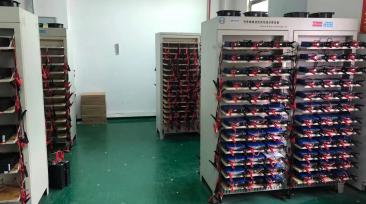
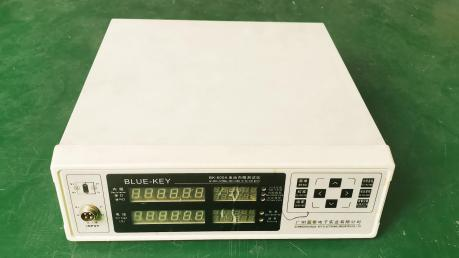
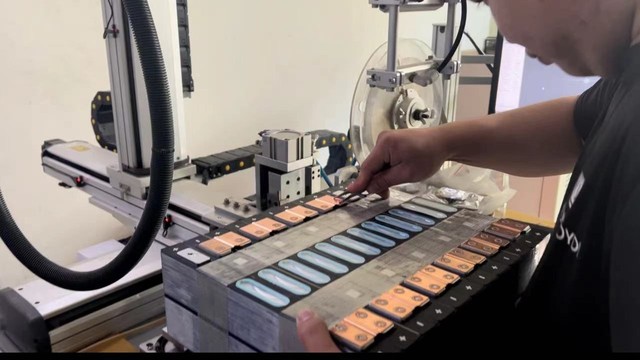
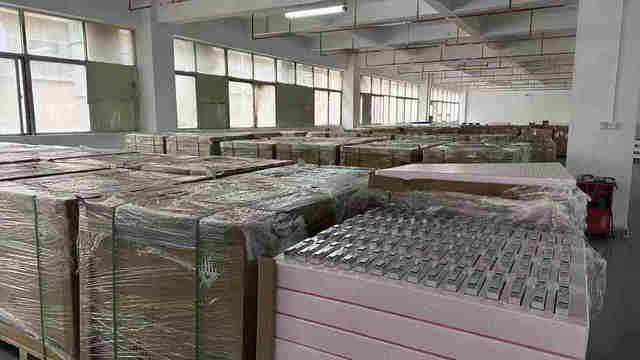
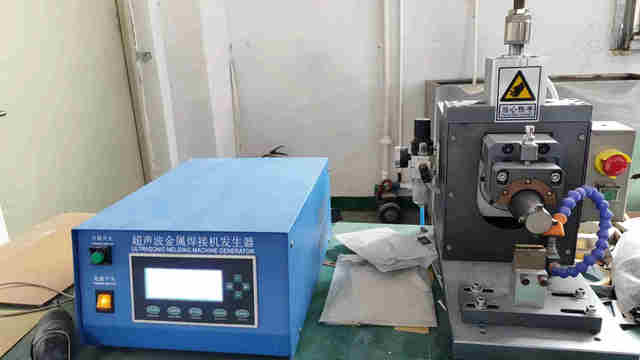
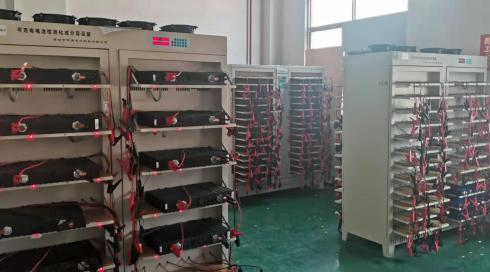
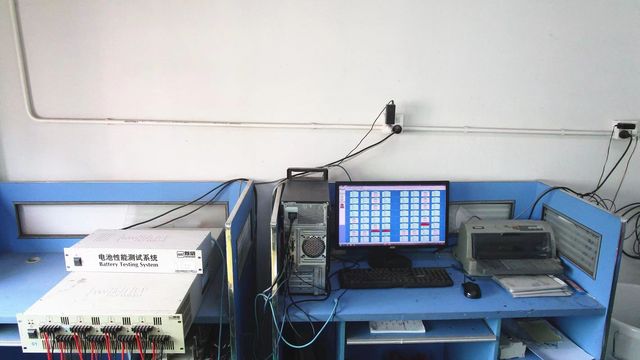
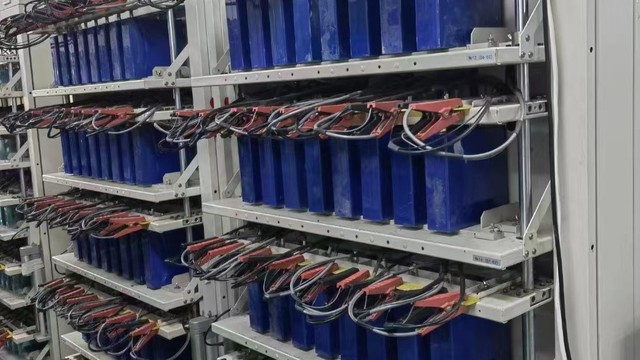
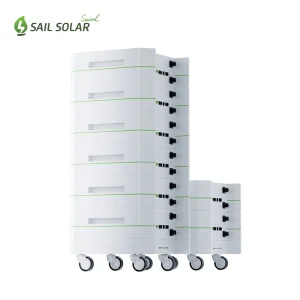
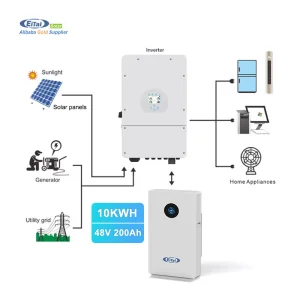
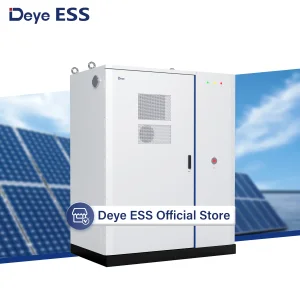
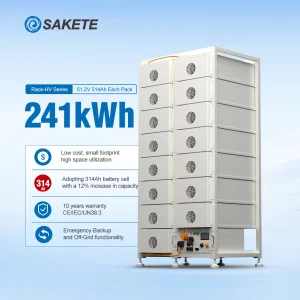
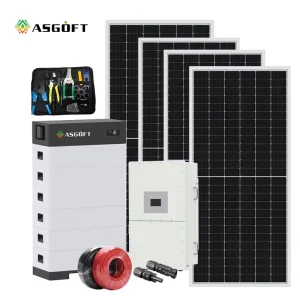
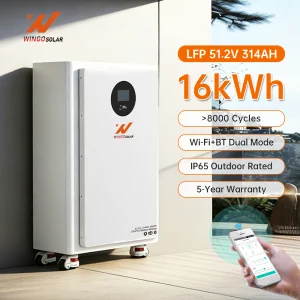
A comprehensive inventory of high-capacity storage units, rack-mounted modules, containerized off-grid blocks, and critical support infrastructure.
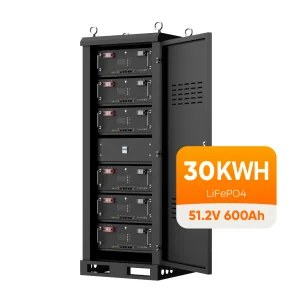
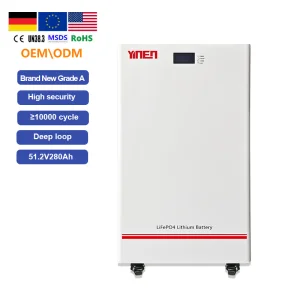
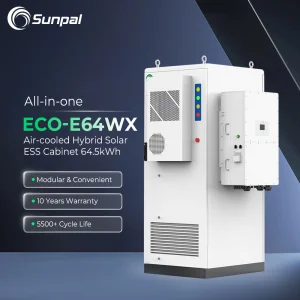
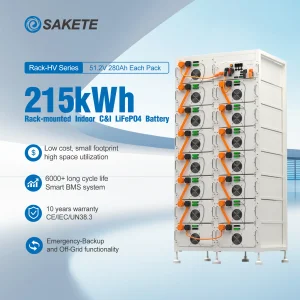
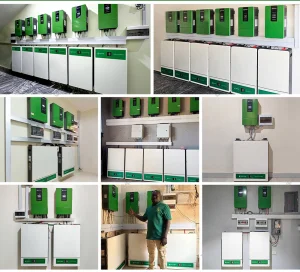
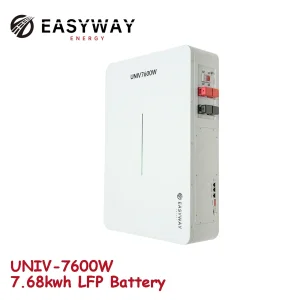
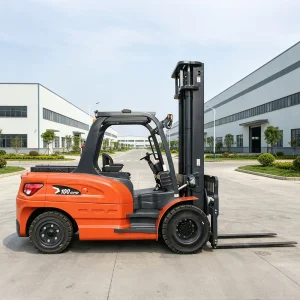
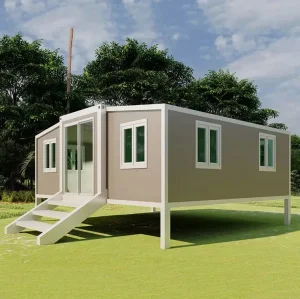
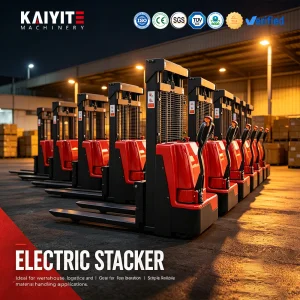
In addition to advanced lithium storage systems, we facilitate full-scope deployments for outback mining sites, agricultural hubs, and regional operations with custom mobile modules and material handling equipment.
When engineering energy storage systems for Western Australia, chemical stability is paramount. Standard NMC (Nickel Manganese Cobalt) chemistries present a significantly higher risk of thermal runaway in hot climates compared to Lithium Iron Phosphate (LiFePO4). Our factories focus exclusively on LiFePO4 cells due to the following engineering attributes:
| Battery Specification / Chemistry | Lithium Iron Phosphate (LiFePO4) - Suntherra | Standard NMC Lithium Ion | Traditional Lead-Acid (Gel/AGM) |
|---|---|---|---|
| Nominal Thermal Stability | Up to 270°C (Extremely Safe) | 150°C (High Runaway Risk) | Low Runaway, High Gassing Risk |
| Lifespan (80% Depth of Discharge) | 6,000 to 8,000 Cycles | 2,000 to 3,000 Cycles | 500 to 1,500 Cycles |
| Recommended Charge/Discharge Temp | 0°C to 55°C | 0°C to 45°C | -20°C to 40°C |
| Round Trip Energy Efficiency | >95% | >90% | ~75% - 80% |
Answering technical, regulatory, and logistics queries for Western Australian commercial partners.
 Suntherra Battery