Explore our leading rechargeable energy storage systems, custom designed for reliable power generation, long cycle life, and global compliance.
How high-performance energy storage is shifting from a utility backup luxury to a core requirement for commercial and residential power infrastructure.
Global energy demands are shifting towards decentralized, clean, and highly robust electrical grids. As intermittent power sources like solar and wind represent a rapidly growing share of total energy capacity, the need for stable, long-cycle energy storage systems (BESS) has become paramount. Leading rechargeable solar battery factories and exporters are at the absolute center of this transformation. High-capacity batteries mitigate the latency between solar generation peaks (mid-day) and consumption peaks (evening), preventing curtailment and optimizing overall utility load curves.
From a macroeconomic perspective, the global commercial and industrial (C&I) sectors are aggressively integrating rechargeable solar battery assemblies. Driven by localized net-metering policies, carbon emissions penalties, and the absolute business necessity of uninterruptible power supplies (UPS), developers are prioritizing battery chemistries that offer optimal levelized cost of storage (LCOS). As key stakeholders select manufacturing partners, factors such as cell consistency, intelligent Battery Management Systems (BMS), thermal runway containment, and long-term supply chain reliability outweigh basic capital expenditure concerns.
A premier manufacturer and global exporter of high-grade solar energy storage solutions.
Shenzhen Suntherra Battery Co., Ltd. is a professional manufacturer specializing in solar energy storage batteries and integrated power solutions for global renewable energy markets. Established in 2014 and located in the high-tech industrial hub of Shenzhen, China, the company has developed into a highly reliable OEM and ODM supplier focusing on lithium batteries, deep cycle storage systems, and advanced solar energy storage technologies.
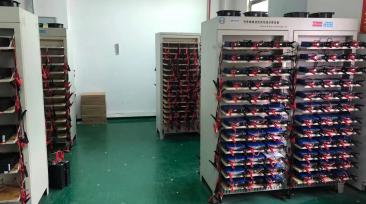
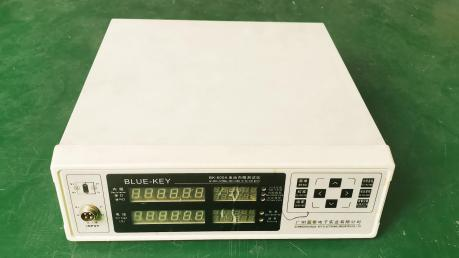
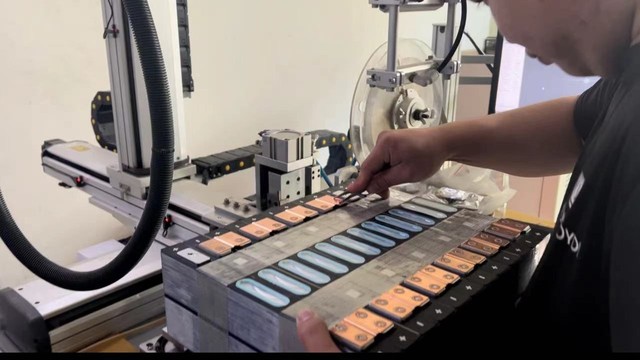
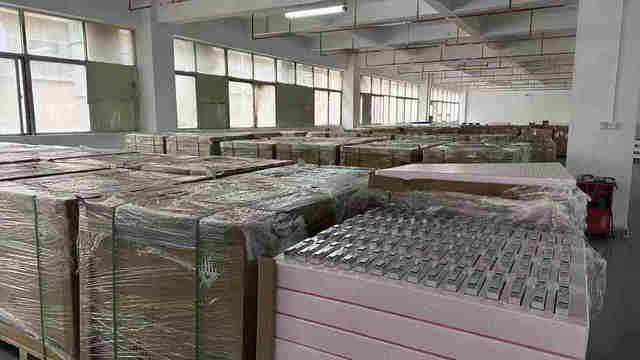
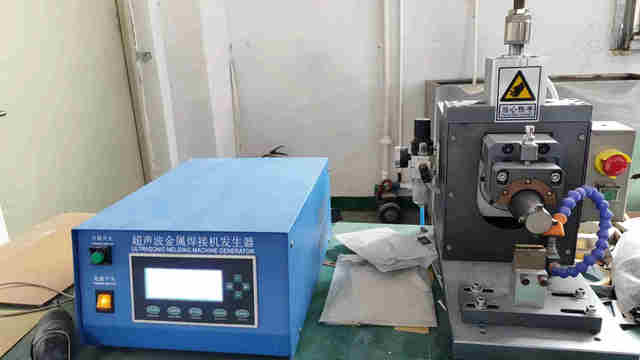
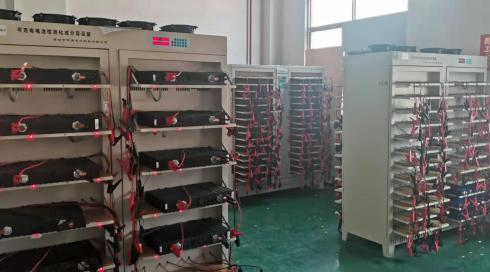
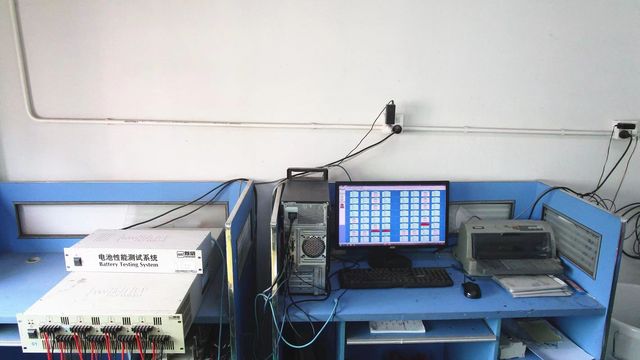
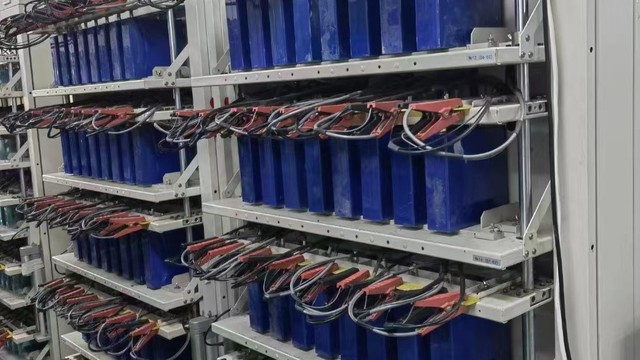
Suntherra operates a modern production facility covering approximately 12,000 square meters and employs more than 180 skilled staff members, including specialized battery engineers, R&D specialists, production technicians, quality control inspectors, and international sales professionals. Equipped with advanced automated production lines and strict quality assurance systems, the company guarantees exceptional performance, thermal safety, and long cycle life for every battery product delivered to the field.
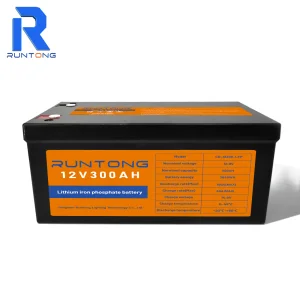
Our comprehensive product range includes solar lithium batteries (LiFePO4), deep cycle batteries, gel batteries, AGM batteries, off-grid energy storage systems, hybrid solar storage batteries, and high-capacity residential and commercial energy storage systems. Suntherra provides end-to-end custom engineering, including battery capacity configuration, smart BMS integration (supporting RS485/CAN/Modbus communication), customized voltage setups (12V to 400V+), structural rack designs, and localized branding.
Decoupling the engineering characteristics of deep-cycle gel, lithium iron phosphate, and emerging solid-state battery technologies.
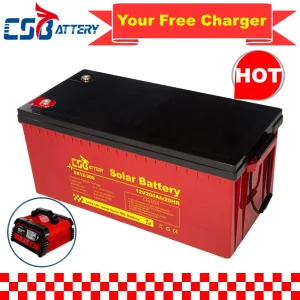
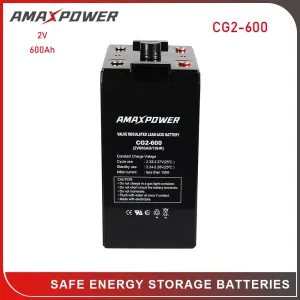
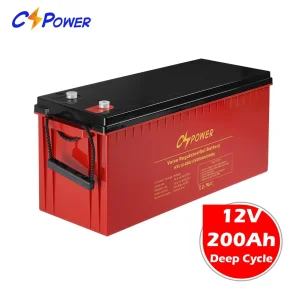
Conventional deep-cycle lead-acid gel and absorbed glass mat (AGM) technologies remain highly relevant for low-ambient temperature climates and cost-constrained remote installations. Excellent cold-weather discharge characteristics, minimal maintenance, and a low initial capital expenditure profile define this technology. The gel electrolyte acts as a thermal heat sink, preventing dry-out and thermal runaway, making it highly robust for remote telecommunications stations.
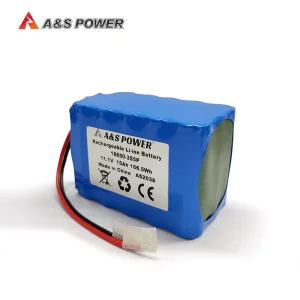
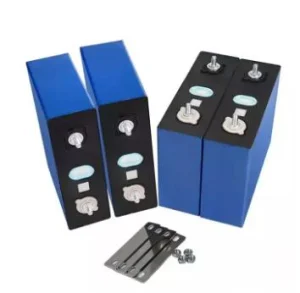
LiFePO4 is the modern standard for stationary energy storage. Boasting cycle counts in excess of 6,000 cycles at 80% Depth of Discharge (DoD), high energy density, and superior thermal stability compared to NMC, LiFePO4 cells are exceptionally safe. Their flat discharge curve enables consistent power delivery, and their high round-trip efficiency (>95%) minimizes energy loss during high-rate charging and discharging phases.
The future of large-scale solar storage centers around solid-state electrolytes and advanced liquid cooling thermal management systems. Replacing liquid organic electrolytes with solid structures virtually eliminates ignition risk and drastically improves volumetric energy density. Concurrently, active liquid cooling systems inside industrial-grade utility containers maintain cell temperature differentials under 3°C, extending overall asset lifetime by up to 25%.
Custom engineering solutions designed to tackle unique environmental and operational challenges across different markets.
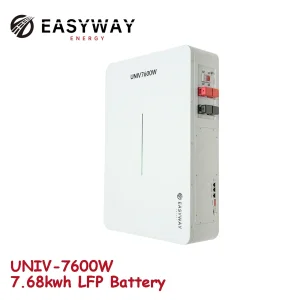
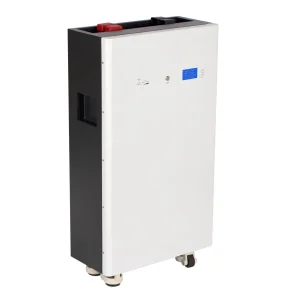
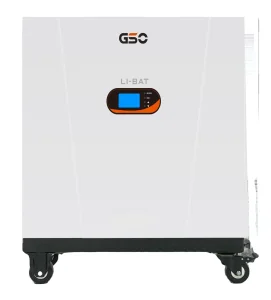
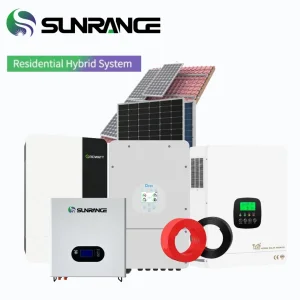
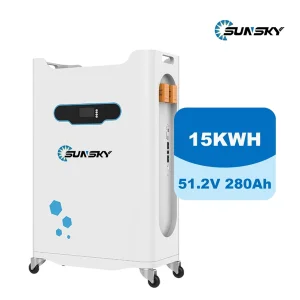
In high-tariff regions like Central Europe and North America, residential solar systems paired with Wall-Mounted or Free-Standing LiFePO4 battery systems (e.g., 5kWh - 15kWh packs) allow homeowners to maximize self-consumption. By storing surplus daytime solar generation and discharging it during peak utility pricing windows, consumers achieve lower grid reliance and establish critical backup power during severe weather grid failures.
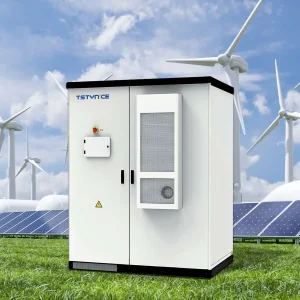
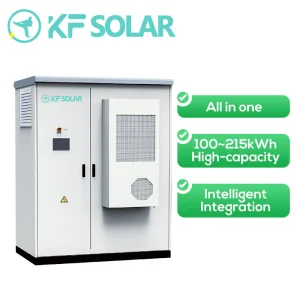
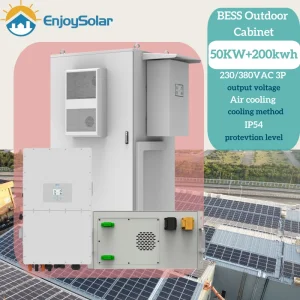
For manufacturing plants, commercial offices, and cold storage facilities, electricity bills are heavily driven by peak demand charges. Implementing integrated high-capacity battery cabinets (100kWh - 300kWh with liquid cooling) allows for smart shaving of peak power draws. These systems integrate directly with commercial solar arrays, dynamically discharging when local factory load spikes exceed set thresholds.
In remote islands and rural regions across Sub-Saharan Africa and Southeast Asia, stable central utility grids are frequently absent. Off-grid solar battery configurations combined with diesel generators provide a hybrid power microgrid. Using high-durability AGM-Gel or prismatic lithium cells, local infrastructure, telecommunications towers, and remote medical clinics receive continuous power supply despite extreme environmental heat and humidity.
Why sourcing from top-tier Chinese manufacturers ensures technological superiority, logistics safety, and cost control.
China remains the absolute center of gravity for the lithium-ion and lead-acid battery manufacturing supply chain, accounting for over 70% of global battery cell refining and production capacity. Sourcing directly from an established exporter in Shenzhen, such as Shenzhen Suntherra Battery Co., Ltd., allows global buyers to bypass intermediate supply chain markups while gaining access to top-tier raw materials (lithium iron phosphate, high-purity lead, and state-of-the-art BMS microcontrollers). This high density of localized component suppliers ensures that production lead times are shortened, and custom engineering designs can be rapidly scaled.
Furthermore, compliance with international transport and grid regulations is a vital component of successful project execution. Standard rechargeable battery cells must undergo rigid testing protocols to guarantee safety in transit and long-term operation. High-quality exporters secure certifications including:
Ensures the safety of lithium batteries during air, sea, and land transportation under high stress, pressure, and vibration conditions.
Certifies secondary lithium cells and batteries used in industrial systems, confirming strict electrical, thermal, and mechanical safety standards.
Verifies battery systems for use in stationary applications, evaluating thermal runaway behavior to meet strict North American fire safety codes.
Technical answers to critical questions regarding the selection, integration, and lifetime optimization of rechargeable solar batteries.
Deep Cycle Gel batteries typically offer a lifespan of 1,000 to 1,600 cycles when discharged to 50% Depth of Discharge (DoD). In contrast, Lithium Iron Phosphate (LiFePO4) solar batteries typically achieve 4,000 to 6,000+ cycles at 80% to 90% DoD. This makes LiFePO4 much more cost-effective on a per-cycle basis for high-frequency daily cycling systems, despite the higher initial capital expenditure.
The Battery Management System (BMS) is the brain of a lithium battery pack. It monitors cell-level parameters, including voltage, state of charge (SoC), temperature, and discharge currents. The BMS ensures cell balancing (equalizing energy levels across individual cells) to prevent over-charging or over-discharging, which could cause cell degradation or catastrophic thermal runaway events.
Elevated temperatures accelerate the internal chemical degradation of both lithium and lead-acid batteries, shortening their operational lifespan. Gel batteries tolerate ambient heat slightly better than AGM batteries due to their paste electrolyte, but active thermal management (e.g., HVAC cooling for containerized systems, liquid cooling loops) is critical for preserving battery health in environments exceeding 35°C.
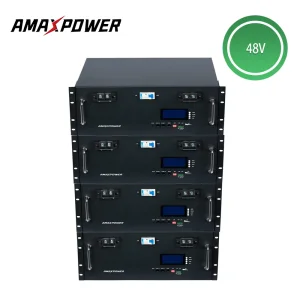
B2B buyers can configure voltage classes (e.g., 12V, 24V, 48V, up to high-voltage 400V+ systems), capacity ratings (Ah sizing), internal structural framing, cell grades (A-grade prismatic vs. cylindrical), Communication protocols (CAN/RS485 compatibility for specific inverters like Growatt, Deye, or Victron), and custom enclosure options (wheeled, rack-mounted, wall-mounted, IP65/IP67 waterproof ratings).
Discover more specialized energy units engineered for utility grids, forklifts, wheeled equipment, and massive modular installations.
 Suntherra Battery