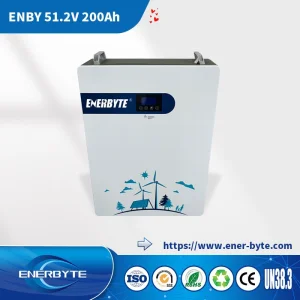
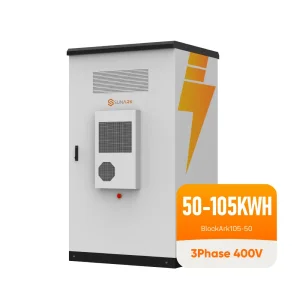
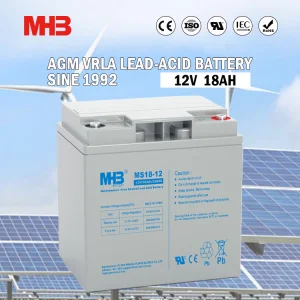
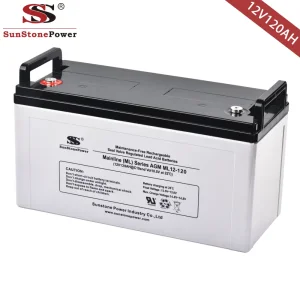
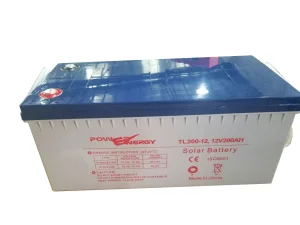
Deploy advanced electrochemical technology to secure grid stability, peak-shaving efficiencies, and continuous remote power. Explore our high-performance industrial and commercial battery configurations below.
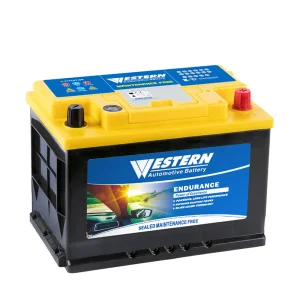
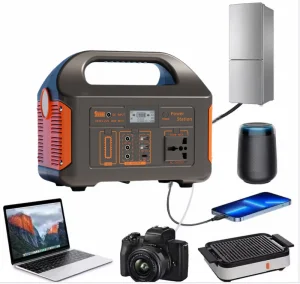
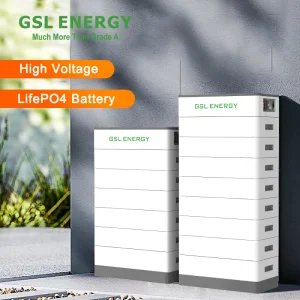
Shenzhen Suntherra Battery Co., Ltd. is a professional manufacturer specializing in solar energy storage batteries and integrated power solutions for global renewable energy markets. Established in 2014 and located in Shenzhen, China, the company has developed into a reliable OEM and ODM supplier focusing on lithium batteries, deep cycle storage systems, and advanced solar energy storage technologies.
Suntherra operates a modern production facility covering approximately 12,000 square meters and employs more than 180 skilled staff members, including battery engineers, R&D specialists, production technicians, quality control inspectors, and international sales professionals. With advanced automated production lines and strict quality assurance systems, the company ensures high performance, safety, and long cycle life for every battery product.
Our main product range includes solar lithium batteries, deep cycle batteries, gel batteries, AGM batteries, off-grid energy storage systems, hybrid solar storage batteries, and high-capacity residential and commercial energy storage solutions. These products are widely used in solar power systems, home energy storage, industrial backup power, telecommunications, and outdoor renewable energy applications.
As an experienced OEM and ODM factory, Shenzhen Suntherra Battery Co., Ltd. provides customized solutions including battery capacity design, BMS (Battery Management System) integration, voltage configuration, structural optimization, branding, and packaging services. We work closely with global distributors, solar system integrators, wholesalers, and energy solution providers. Driven by innovation, safety, and sustainability, Suntherra continues to expand its global presence across Europe, North America, Africa, and Southeast Asia, delivering efficient and reliable solar energy storage solutions for a greener future.
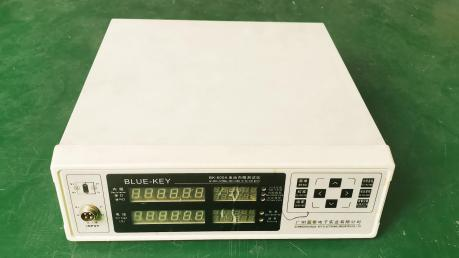
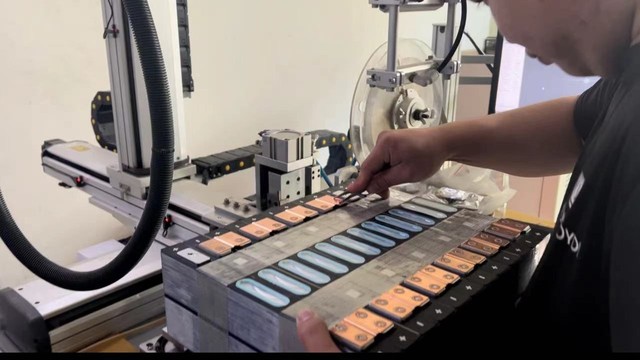
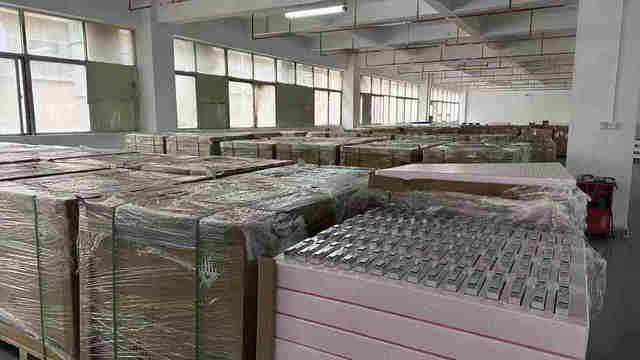
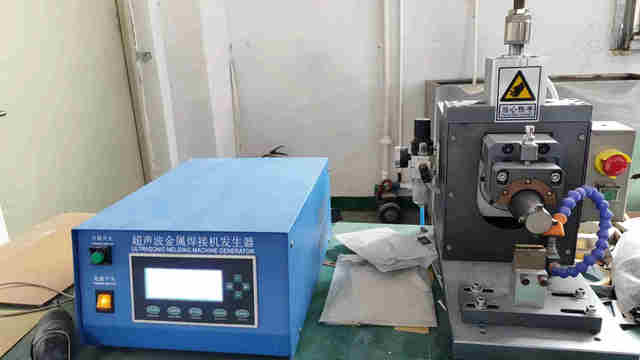
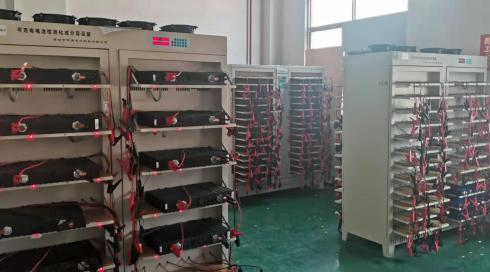
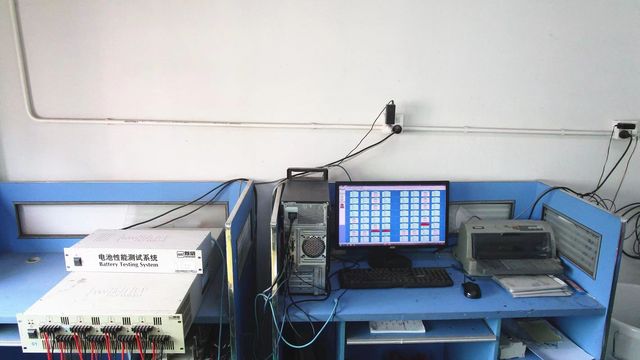
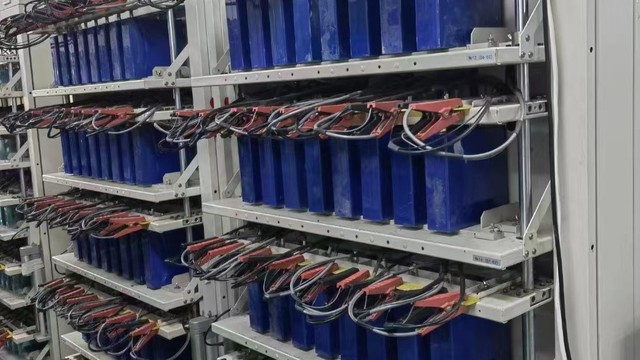
The global energy storage matrix relies heavily on Chinese supply chain depth. For industrial enterprises, buying directly from an OEM/ODM factory in Shenzhen, Guangdong, is not merely a cost-reduction strategy—it is a critical choice for access to world-class engineering, supply chain resilience, and rapid technological integration.
Guangdong hosts the world's most concentrated cluster of active materials suppliers, copper foil manufacturers, and automated cell makers. This geographic localization minimizes logistics latency and isolates our production from sudden global raw material fluctuations.
With immediate access to high-caliber power electronics engineers in Shenzhen, Suntherra designs custom BMS (Battery Management Systems) that communicate natively with CANbus, RS485, and Modbus protocols, allowing custom parameters for various utility configurations.
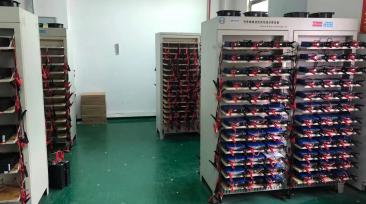
Chinese factories utilize automated testing equipment for precise charge-discharge profiling, capacity binning, and internal resistance matches. This ensures cell uniformity, preventing early hot-spots and increasing the overall life of high-voltage packs.
Furthermore, the high velocity of industrial iteration in Shenzhen allows Suntherra to continuously update its technology stack. Whether transitioning from standard air-cooling blocks to micro-channel liquid-cooling, or refining BMS algorithms for real-time state-of-health (SOH) estimations, local suppliers keep our factory ahead of international curves.
Industrial solar energy storage is not a one-size-fits-all hardware category. Diverse regulatory and physical environments demand custom thermal control, capacity configurations, and electrical interfaces. Suntherra engineers solutions specifically tailored for various global operational realities.
For factories experiencing punitive utility tariffs during high-load periods, our high-voltage battery racks automatically discharge to support localized machinery. This drastically lowers peak demand charges and optimizes daily operating expenses.
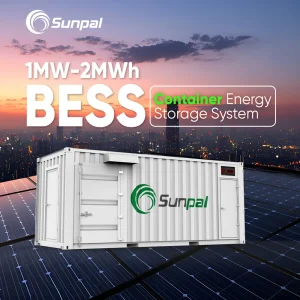
Mining operations, island communities, and agricultural complexes rely on off-grid microgrids. Suntherra's containerized BESS (Battery Energy Storage Systems) integrate with solar arrays and diesel generators to maintain steady voltage and frequency.
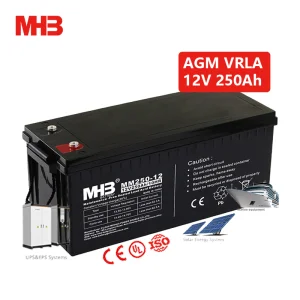
With the expansion of 5G networks, cell towers require reliable power in harsh conditions. Suntherra's telecom AGM and specialized high-density lithium packs offer deep cycle stability and minimal maintenance, even in extreme climates.
Each application is designed to withstand local environmental challenges. For instance, installations in hot desert areas feature active cooling systems, while high-latitude regions benefit from internal thermal management and self-heating battery configurations.
Procuring industrial energy storage requires careful attention to compliance, quality, and technical integration. As an established OEM/ODM factory, Suntherra guarantees that every phase of production aligns with the safety and grid standard requirements of international buyers.
Our OEM/ODM workflow is structured to guide your project from concept to delivery. Whether you require custom dimensions for telecom enclosures or a megawatt-hour containerized system, Suntherra delivers high-performance solutions optimized for your specific parameters.
As the energy storage landscape rapidly advances, staying ahead of technology trends is essential. Suntherra invests heavily in R&D to integrate the latest storage innovations into our commercial and industrial product lines.
Modern commercial installations are moving away from low-voltage configurations to high-voltage series setups. High-voltage setups minimize current losses, reduce cable thickness requirements, and improve round-trip energy efficiency.
Liquid cooling is quickly becoming the standard for utility-scale containers. By keeping cell temperatures within a narrow range, liquid cooling increases battery life, reduces footprint, and prevents localized heating.
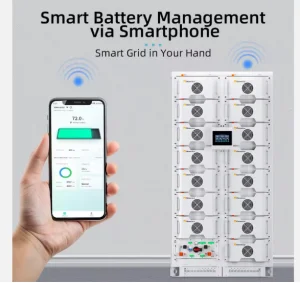
Integrating cloud computing with BMS allows systems to monitor safety, predict cell degradation, and optimize charging based on weather forecasts and utility pricing, maximizing project returns.
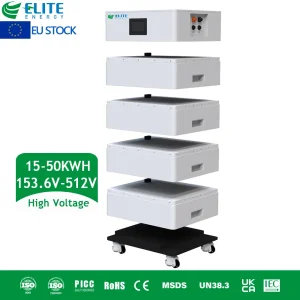
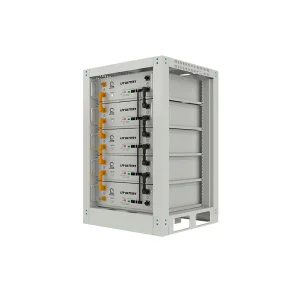
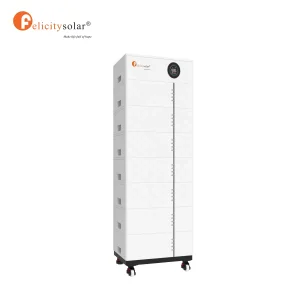
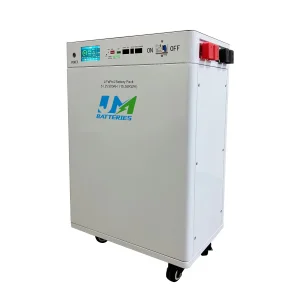
Browse our robust range of deep-cycle lead-acid, high-density lifepo4 rack modules, and modular container options designed for continuous, reliable operation.
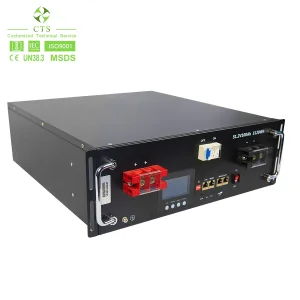
 Suntherra Battery