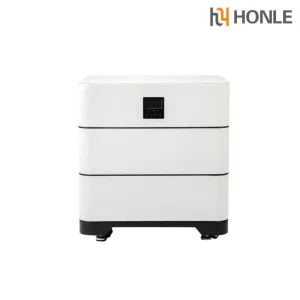
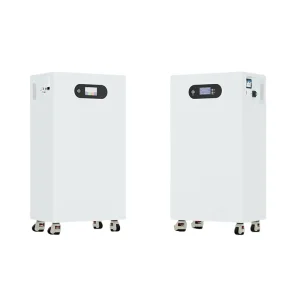
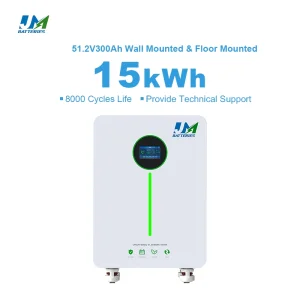
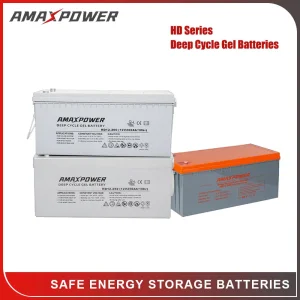
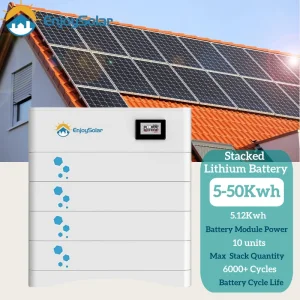
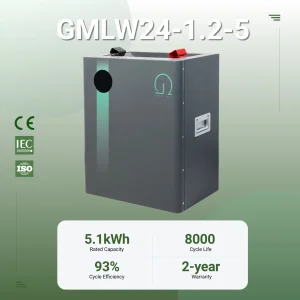
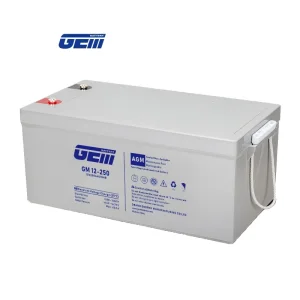
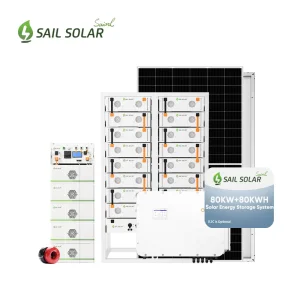
Explore our highly requested CE-certified energy solutions engineered for homes, commercial systems, and industrial resilience.
Providing reliable and certified energy storage technologies for global projects and system integrations since 2014.
Founded in 2014 in Shenzhen, China, Shenzhen Suntherra Battery Co., Ltd. has evolved into a key player in the clean energy industry. Our focus centers on developing, manufacturing, and exporting advanced solar energy storage systems and specialized LiFePO4 battery solutions. Catering to residential, commercial, and industrial markets, we prioritize quality, regulatory alignment, and custom product development.
Our infrastructure supports comprehensive OEM and ODM partnerships, delivering specialized services for battery design, BMS optimization, custom enclosures, and localized branding. Through this approach, we support engineers, EPC contractors, and distributors worldwide in implementing transition solutions with confidence.
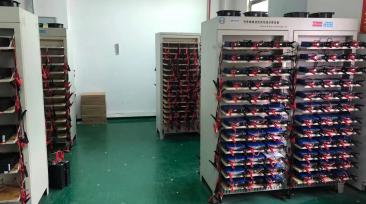
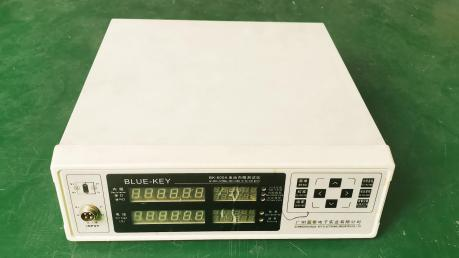
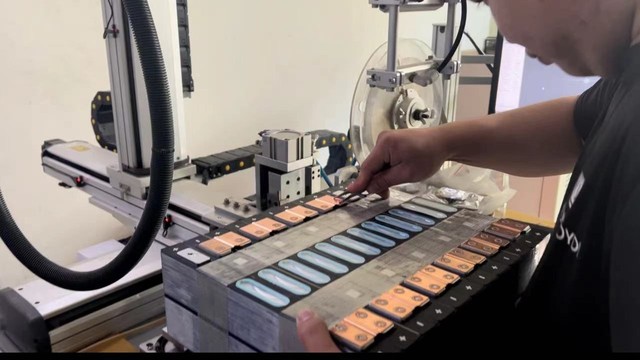
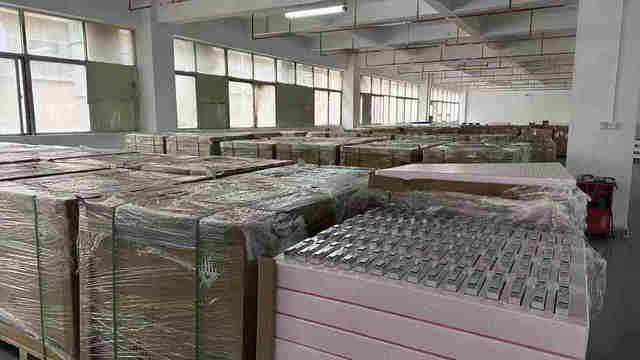
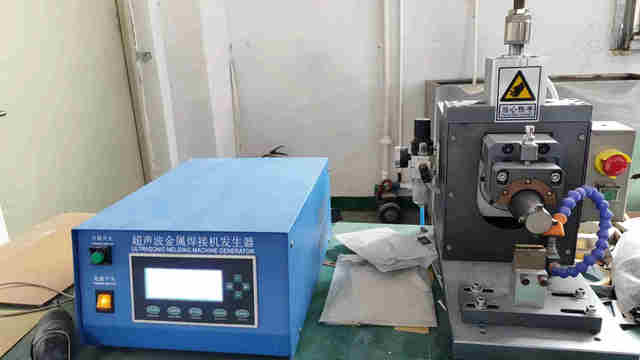
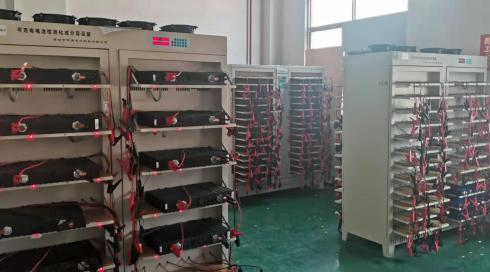
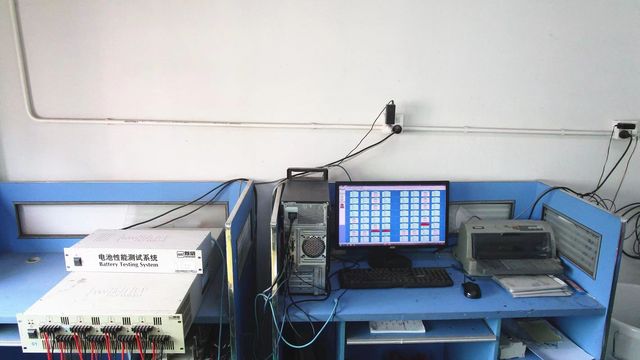
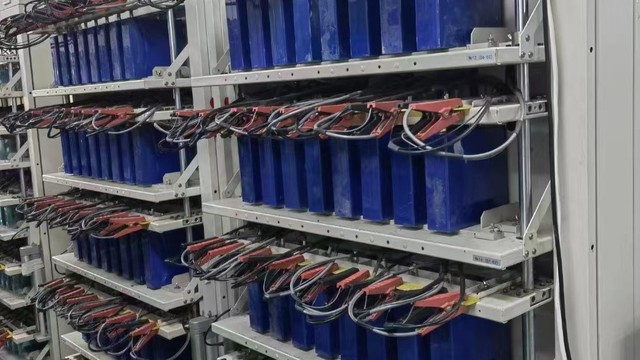
Our production operations are housed in a modern 12,000 square meter facility. Backed by automated lines, advanced testing setups, and quality check systems, our 180+ staff members—which include professional battery engineers, R&D specialists, assembly technicians, and quality inspectors—maintain strict control over each product.
By using premium lithium cells, active balancing BMS cards, and durable mechanical housings, we manufacture resilient batteries suitable for diverse global grids. Our quality system spans raw materials processing through to strict thermal performance tests prior to packing.
Understanding the technical shift from legacy energy grids to decentralized smart solar storage infrastructures.
Our residential and commercial systems store energy during off-peak periods when solar generation is high or electricity rates are low. This stored energy is discharged during peak hours, lowering utility bills and relieving local grid congestion.
Integrating our LiFePO4 batteries with PV modules helps households increase their solar self-consumption rate. This configuration offers critical backup during outages and ensures stable electrical supply in areas with weak grid connections.
Mitigating carbon emissions requires shifting from fossil-fuel baseline power plants to clean energy options. Our lithium battery networks stabilize renewable energy inputs, converting intermittent solar resources into reliable grid assets.
How distinct international policies, regional economic factors, and technical standards shape market demands.
In mature markets like Europe (Germany, Italy, UK) and North America, strict utility regulations govern grid interactions. High feed-in tariffs have encouraged homeowners to maximize solar self-consumption rather than exporting surplus energy to the utility grid.
Additionally, regional technical standards require strict safety compliance. To clear customs and get approved by local utility providers, installations must meet certification benchmarks including CE, EN 62619, and local grid connection rules. These safety assessments help prevent fires and simplify installer commissioning.
In regions such as South Africa, parts of Southeast Asia, and Central America, the primary challenge is grid instability, load-shedding, and high electricity costs. Energy storage systems in these markets function as primary power reserves rather than simple load-shifting devices.
To operate reliably under these conditions, batteries require robust components. Specifically, systems need high cycle life, deep discharge capacity (up to 95% DoD), and advanced thermal management to withstand high ambient temperatures without system failure.
Examining the chemistry, mechanical safety features, and battery management protocols that define our energy storage units.
Our residential solar batteries are based on LiFePO4 chemistry. This formulation offers a higher thermal runaway threshold (around 270°C) compared to standard Lithium Cobalt Oxide (LCO) or Nickel Manganese Cobalt (NMC) configurations.
This molecular stability reduces the risk of thermal runaway, making LFP chemistry a safer choice for indoor and residential energy storage installations.
Every Suntherra battery pack features an integrated Smart Battery Management System (BMS) that monitors parameters such as cell voltage, current levels, and internal temperatures.
The BMS prevents common operational errors by monitoring for overvoltage, undercurrent, short circuits, and thermal limits, automatically disconnecting the battery system before damage occurs.
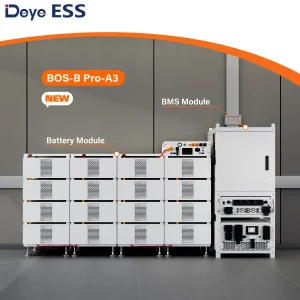
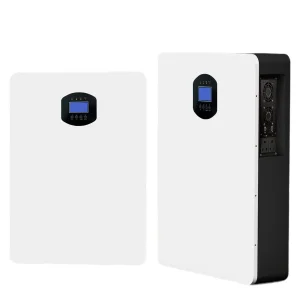
Our high-voltage stackable designs and 51.2V wall-mounted modules are engineered to integrate with global inverter brands like Deye, Growatt, Victron Energy, Solis, and GoodWe.
By supporting standard protocols like RS485, CAN-bus, and Modbus communication, our batteries share data with local control units to maximize system conversion efficiency.
From urban grid support to remote off-grid systems, explore how our systems adapt to local needs.
Designed for high-cost urban regions. The battery system charges using solar energy during the day and discharges during peak hours. Features a fast-switching UPS module (<10ms) to supply critical home appliances during power outages.
Engineered to support remote water pumps, farm machinery, and local solar microgrids. Our long-life, deep-cycle batteries deliver reliable, high-capacity discharge without relying on standard utility lines.
Engineered for base stations and backup networks. Suntherra 51.2V rack-mounted lithium configurations integrate with standard server racks, providing stable current and long runtime in challenging environments.
Providing clear compliance documentation and technical tests required for international custom clearances.
For European markets and global regions that align with CE standards, CE certification proves that our residential energy storage devices comply with regional health, safety, and environmental laws. Our certification processes cover:
Lithium-ion batteries are classified as Class 9 Dangerous Goods, requiring robust packaging and certified logistics management. Suntherra products are fully compliant with:
How our Shenzhen-based engineering team works with global distributors and solar integrators.
| Customization Field | Available Technical Specifications | Application Example |
|---|---|---|
| Voltage Configuration | 12V, 24V, 48V, 51.2V Low Voltage up to 400V+ High Voltage Systems | High-voltage stackable hybrid storage modules |
| BMS Integration | Active cell balancing, Bluetooth connectivity, CANbus, RS485 communication | Custom remote monitoring apps for solar batteries |
| Mechanical Design | Wall-mounted chassis, vertical slim cabinets, rack-mounted, IP65 enclosures | IP65 outdoor storage batteries for coastal locations |
| Branding & Packaging | Laser engraving, custom silkscreen logo, color boxes, UN approved wooden crates | Turnkey retail branding for solar distributors |
Discover how Suntherra is adapting to next-generation energy trends, from solid-state cells to smart grid connections.
By transitioning to high-density prismatic cells (such as 314Ah LFP chemistry), we pack more capacity into smaller home energy storage systems. This space-efficient layout reduces shipping costs and simplifies installation for regional providers.
Integrating IoT chips with cloud-based diagnostic systems enables real-time health (SOH) monitoring of connected batteries. Field engineers can perform system health checks and deploy firmware updates remotely, lowering maintenance overhead.
Our research team monitors developments in semi-solid and solid-state lithium formulations. These advanced chemistries aim to deliver increased safety parameters, broader temperature ranges, and extended lifecycle durability.
Answers to technical, regulatory, and logistics queries from global solar distributors and installation engineers.
A: We run automated cell sorting systems, strict charging/discharging aging cycles, and rigorous BMS calibration tests. Additionally, our batteries are certified under CE, EN 62619, and UN38.3 standards, helping ensure they meet international safety requirements.
A: Yes. Our integrated BMS supports RS485, CAN, and Modbus communication protocols. We support integration with global inverter brands like Growatt, Deye, Victron Energy, Solis, and GoodWe. We also offer custom firmware updates for proprietary systems.
A: Our LiFePO4 cells are rated for over 6,000 charge cycles at 80% Depth of Discharge (DoD) under standard 0.5C operating conditions at 25°C. Under typical conditions, this equates to a design life of 10 to 15 years.
A: Yes. As a specialized manufacturer, we handle custom requirements including capacity variations, system voltage configurations, structural box modifications, custom BMS features, silk-screen logos, and customized packaging.
A: Lithium batteries are classified as Class 9 Dangerous Goods. We package our products in UN-approved crates and provide complete shipping documents (including UN38.3 test summaries, MSDS, and safety sheets) to ensure smooth customs clearance.
A: Low-voltage (51.2V) systems are standard for small to medium residential systems due to their simple installation. High-voltage stackable configurations (up to 409.6V+) offer higher round-trip efficiency, lower line losses, and are ideal for large properties and commercial grids.
A: Yes, our systems operate within a charging range of 0°C to 55°C and discharge from -20°C to 60°C. For colder regions, we can integrate internal heating pads to maintain proper cell temperatures during freezing conditions.
A: We offer a standard 5-to-10-year warranty, depending on the system configuration. We provide replacement parts, BMS firmware upgrades, and technical support directly from our Shenzhen engineering team to help resolve any system issues.
Inside our 12,000 square meter automated manufacturing lines, quality control hubs, and battery testing chambers.
Advanced grid-level systems and high-capacity portable backup systems for off-grid and industrial projects.
 Suntherra Battery