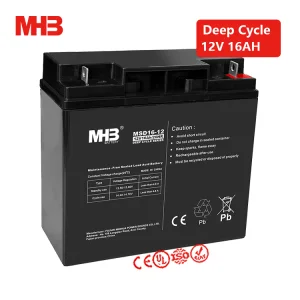
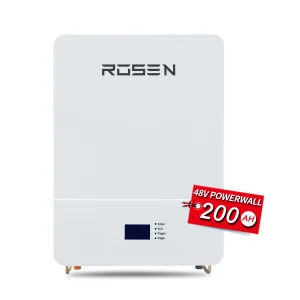
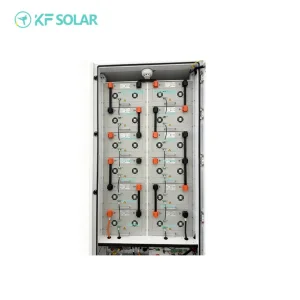
Explore our premium range of CE certified stackable, wall-mounted, and deep-cycle lithium batteries tailored for residential, commercial, and industrial grid integrations.
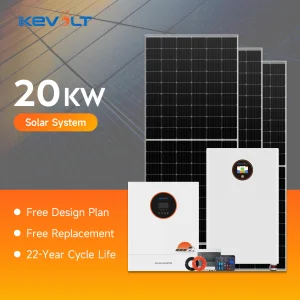
In the wake of the global energy transition, structural changes in power generation have forced grids to undergo a radical metamorphosis. The shift from dispatchable fossil-fuel units to intermittent renewable sources like solar and wind has created a critical challenge: grid instability. As a response to these dynamic changes, CE Certified Powerwall Storage Systems have emerged as a foundation for residential self-consumption, commercial grid stability, and industrial backup systems. By utilizing advanced Lithium Iron Phosphate (LiFePO4) chemistry, modern energy storage systems (ESS) allow users to decouple energy generation from consumption, ensuring reliability, cost efficiency, and zero-carbon dispatchability.
Under safety frameworks such as the European Union’s CE mark (encompassing EMC, LVD, and RoHS directives) and international certification guidelines including IEC 62619, UN38.3, and UL 1973, powerwall storage systems undergo extreme testing protocols. These protocols evaluate safety characteristics under thermal runaway conditions, mechanical impact, and high-current electrical abuse. For international EPC contractors and solar system integrators, selecting a CE-certified factory is not merely a legal compliance check; it is a fundamental insurance policy protecting long-term capital assets.
Globally, C&I energy storage plays a crucial role in mitigating rising utility costs. High demand charges, which are based on peak power usage, can represent up to 50% of a commercial building’s electric bill. To combat this, companies utilize Powerwall networks to implement peak shaving and load shifting. When electricity prices are low during solar peak hours, the battery bank stores the excess clean electricity. Conversely, during periods of peak grid demand, the system discharges, effectively lowering the facility's peak profile and reducing operational expenditure.
Furthermore, in developing energy markets across Southeast Asia and Africa, weak grid infrastructure causes frequent brownouts and voltage fluctuations. Under these conditions, a battery storage container or wall-mounted LiFePO4 bank serves as an uninterruptible power supply (UPS). It shields critical machinery, laboratory equipment, and telecommunication networks from damage, while maintaining smooth operations. In highly developed markets such as Western Europe and North America, these powerwall systems are networked to form Virtual Power Plants (VPPs). By aggregation, individual residential energy storage modules can act collectively as a single power plant, providing ancillary services back to the main grid network and generating additional revenue for property owners.
Modern powerwall architectures are no longer isolated energy storage devices; they are nodes within a complex grid network. Shenzhen Suntherra Battery Co., Ltd. addresses this integration through optimized electrical and thermal designs. By pairing our high-capacity LiFePO4 modules with advanced hybrid inverters, we provide complete, pre-configured packages ranging from 10kW to over 30kW. This complete system integration eliminates compatibility friction between the battery system, charge controllers, and grid components.
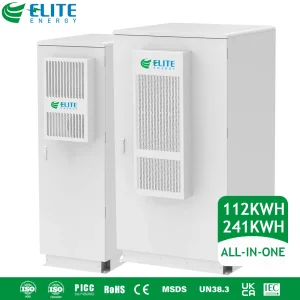
Our industrial-grade setups, such as the 112kWh and 241kWh cabinet containers, are designed for outdoor industrial deployment. These heavy-duty installations feature integrated HVAC or active liquid cooling systems, automated aerosol-based fire suppression systems, and double-insulated battery racks. This multi-layered safety structure is critical for commercial zones, high-occupancy residential towers, and utility-scale solar farms. By maintaining cell temperature deviations below 2°C, our thermal control systems prevent thermal degradation, extending the system's operational lifespan beyond 8,500 active cycles at 80% Depth of Discharge (DoD).
Features CAN/RS485 communication protocols, active balancing algorithms, over-voltage/current protection, and real-time state of health (SoH) diagnostics.
Integrated cooling systems and thermodynamic design maintain uniform cell temperatures, preventing hot spots and prolonging battery lifetime.
Conforms to EU CE, LVD, EMC, IEC 62619, and UN38.3 standards, ensuring maximum compliance and hassle-free global shipping.
A Premier R&D Center and ISO-9001 Certified Lithium Battery Factory based in Shenzhen, China.
Shenzhen Suntherra Battery Co., Ltd. is a professional manufacturer specializing in solar energy storage batteries and integrated power solutions for global renewable energy markets. Established in 2014 and located in Shenzhen, China, the company has developed into a reliable OEM and ODM supplier focusing on lithium batteries, deep cycle storage systems, and advanced solar energy storage technologies.
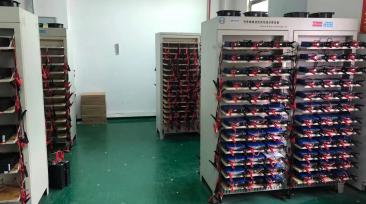
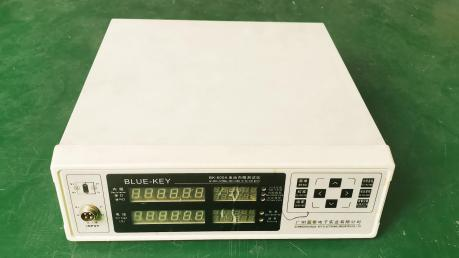
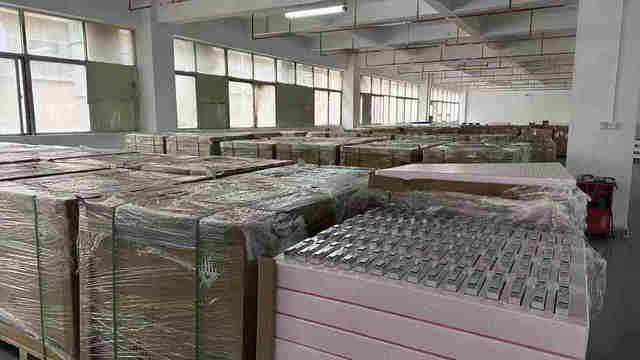
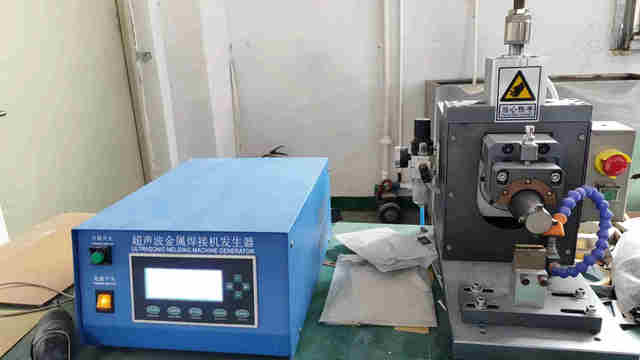
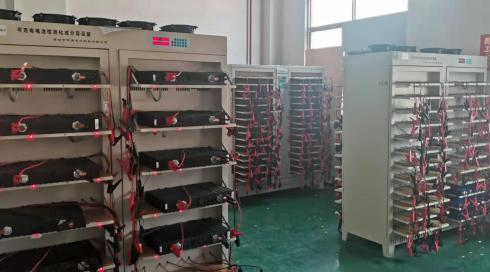
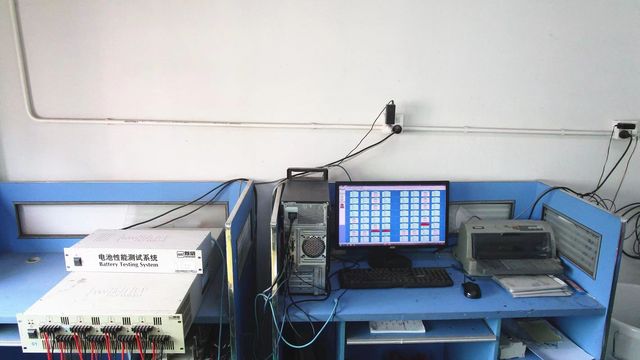
Suntherra operates a modern production facility covering approximately 12,000 square meters and employs more than 180 skilled staff members, including battery engineers, R&D specialists, production technicians, quality control inspectors, and international sales professionals. With advanced automated production lines and strict quality assurance systems, the company ensures high performance, safety, and long cycle life for every battery product.
Our main product range includes solar lithium batteries, deep cycle batteries, gel batteries, AGM batteries, off-grid energy storage systems, hybrid solar storage batteries, and high-capacity residential and commercial energy storage solutions. These products are widely used in solar power systems, home energy storage, industrial backup power, telecommunications, and outdoor renewable energy applications.
As an experienced OEM and ODM factory, Shenzhen Suntherra Battery Co., Ltd. provides customized solutions including battery capacity design, BMS (Battery Management System) integration, voltage configuration, structural optimization, branding, and packaging services. We work closely with global distributors, solar system integrators, wholesalers, and energy solution providers. Driven by innovation, safety, and sustainability, Suntherra continues to expand its global presence across Europe, North America, Africa, and Southeast Asia, delivering efficient and reliable solar energy storage solutions for a greener future.
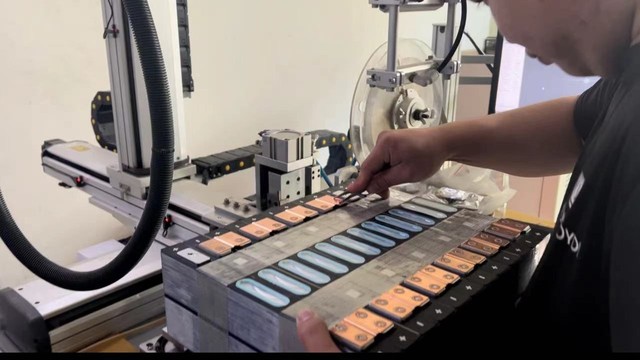
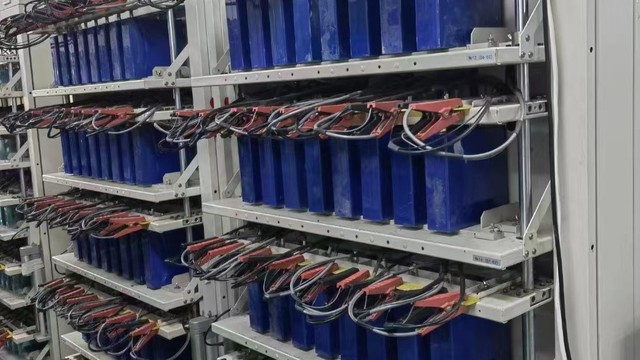
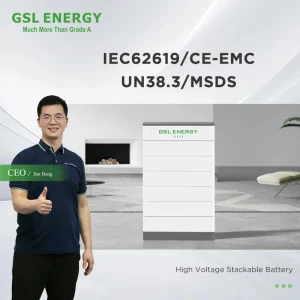
The energy storage sector is transitioning towards higher voltages and modular architectures. High-voltage stackable designs, such as the GSL ENERGY 11.52kWh stackable system, are rapidly gaining market share over low-voltage (48V) models. By stacking battery modules in series, system voltage can reach up to 400V or higher. High-voltage operation minimizes transmission losses and allows for higher conversion efficiency through smaller, cost-effective inverters. This design also simplifies residential installation processes by utilizing wireless, slide-in interconnects, reducing manual labor costs.
Additionally, modern powerwall storage solutions are shifting towards advanced cell chemistries. Lithium Iron Phosphate (LiFePO4) remains the gold standard for stationary storage applications due to its safety and lifecycle profile. While ternary chemistries (NMC) offer higher energy densities, they are more susceptible to thermal runaway. LiFePO4 cells, however, feature a robust crystalline structure that prevents oxygen release at elevated temperatures. Moving forward, the industry is transitioning towards solid-state designs and sodium-ion technologies for extreme climates. Shenzhen Suntherra Battery Co., Ltd. is actively investing in next-generation solid-state cell research to double volumetric energy density while maintaining our signature safety standards.
Energy storage solutions require customization to perform in varied regional environments:
Get professional technical insights directly from our battery engineers regarding installation, performance, certifications, and compliance.
CE certification indicates that the powerwall storage system meets European Union safety, health, and environmental protection requirements. This compliance involves testing under the Low Voltage Directive (LVD 2014/35/EU), Electromagnetic Compatibility (EMC 2014/30/EU), and hazardous substances restrictions (RoHS). It ensures safe home and commercial installation under strict international regulations.
The Battery Management System (BMS) monitor factors like cell voltages, currents, and temperatures. By balancing charge states among individual cells, it prevents over-charging, deep discharging, and over-current conditions. Advanced BMS modules include communication interfaces (such as CAN, RS485, and Modbus) that integrate with top-tier hybrid solar inverters, ensuring efficient, system-wide management.
We do not recommend mixing different brands, capacities, or ages of battery modules. Mismatched internal resistance, capacities, and aging states can cause unbalanced current distribution, reducing system efficiency and cell life. It is best to use identical modules from the same production batch when building or expanding stackable systems.
While Gel and AGM lead-acid batteries offer lower upfront costs, they only provide a 50% Depth of Discharge (DoD) and support 500 to 1,500 lifecycles. In contrast, LiFePO4 (Lithium Iron Phosphate) batteries deliver a 90-100% DoD and sustain over 6,000 to 8,500 lifecycles. This lower per-cycle cost makes lithium batteries the more economical option for long-term solar applications.
Shenzhen Suntherra Battery Co., Ltd. offers comprehensive OEM and ODM customization services. We configure cell voltages (12V to 400V+), storage capacities, custom enclosure designs, private branding, custom BMS protocols, and tailored packaging. Our team helps you scale product lines to suit your specific regional solar markets.
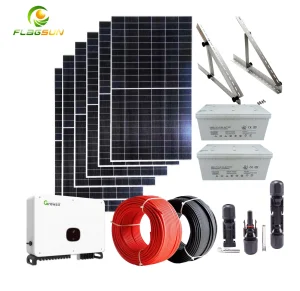
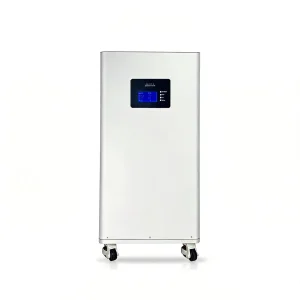
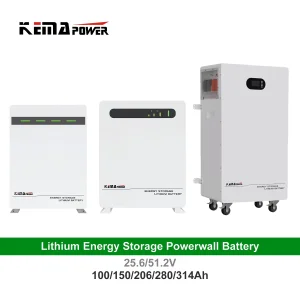
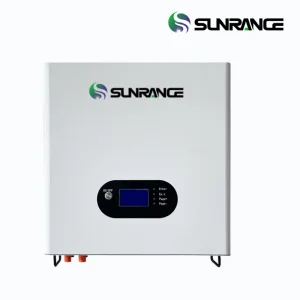
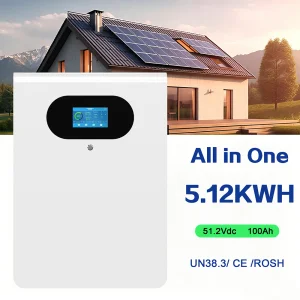
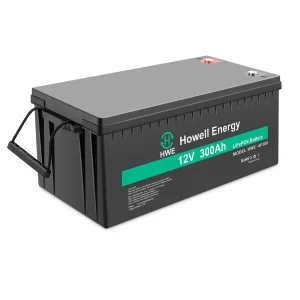
Browse our collection of integrated hybrid kits, vertical modular cabinets, wall-mounted lithium-ion battery blocks, and industrial energy containers.
 Suntherra Battery