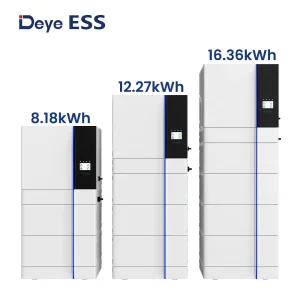
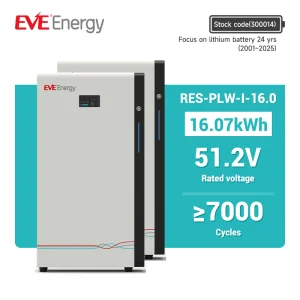
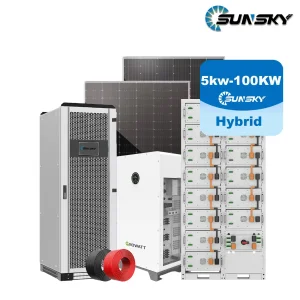
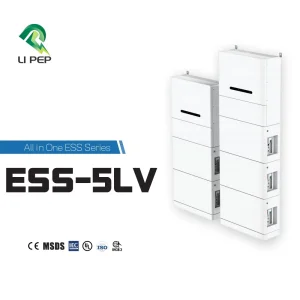
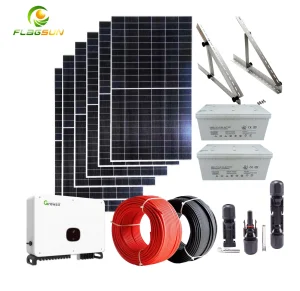
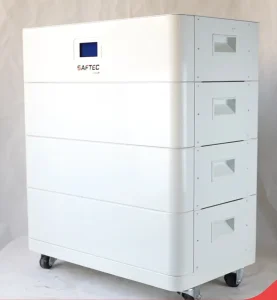
Cutting-edge industrial, commercial, and residential energy storage units engineered for high performance, efficiency, and reliability.
As the international community converges toward grid decarbonization, the integration of intermittent renewable resources like solar PV and wind power presents critical stability challenges. Standard electrical grids require real-time balance between power generation and demand. Herein lies the fundamental significance of utility-scale, industrial, and residential Rechargeable Energy Storage Systems (BESS). Rather than acting simply as standby emergency reserve systems, modern energy storage products function as dynamic grid assets capability of peak shaving, load shifting, microgrid orchestration, and black-start backup.
Shenzhen Suntherra Battery Co., Ltd. (Est. 2014) sits at the technological forefront of this infrastructure revolution. As a dedicated OEM/ODM manufacturer headquartered in Shenzhen, the heart of China’s advanced electrochemistry supply chain, we deliver high-density Lithium Iron Phosphate (LiFePO4) systems, deep cycle storage, and integrated hybrid energy storage devices designed to withstand harsh operational stress and meet global regulatory standards.
Why sourcing from a Shenzhen-based BESS manufacturer guarantees structural cost advantages and unmatched technical agility.
China commands over 70% of the world's refining capacity for key battery precursors, active cathode materials (specifically Lithium Iron Phosphate), and structural elements like anode graphite and separators. Sourcing components direct from localized mineral processing facilities in the Pearl River Delta drastically reduces transit times, avoids tariffs on raw elements, and guarantees access to Tier-1 grade cells even during globally constrained supply cycles.
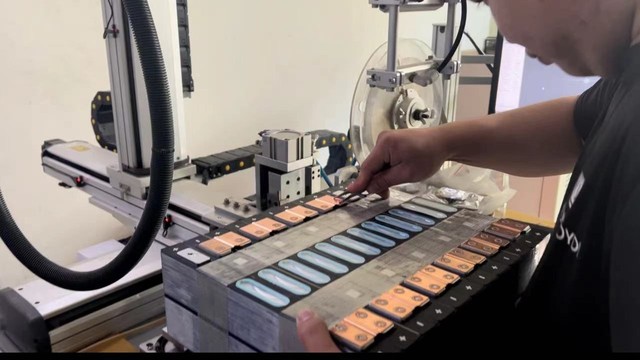
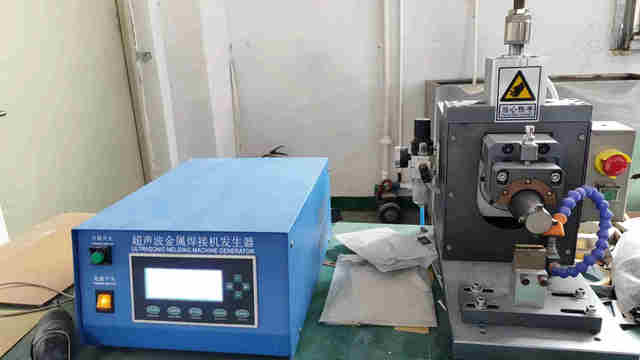
By automating the cell sorting, spot welding, structural testing, and laser diagnostic workflows, Suntherra reduces human error margins to virtual zero. Modern high-precision automated assembly lines operate continuously, driving down unit labor overhead while ensuring uniformity in capacity, internal resistance, and voltage configuration across thousands of battery packs in a single production run.
The concentration of secondary components (including sheet-metal fabricators, thermal management solution providers, connectors, custom harness makers, and software houses) in Shenzhen allows for custom engineering loops that would otherwise take months. From localized BMS firmware adjustments to proprietary sheet metal dimensions, customized mechanical housings are designed, optimized, and stress-tested in record time.
A technical guide for utility asset managers, EPC contractors, and B2B system integrators evaluating long-term power system procurement.
Enterprise energy storage procurement goes far beyond initial CAPEX calculations. Commercial buyers must evaluate the Levelized Cost of Storage (LCOS), which factors in depth of discharge (DoD), round-trip efficiency (RTE), degradation rates, thermal control energy consumption, and maintenance expenditures over 10 to 15 years.
For instance, while lead-acid AGM batteries possess lower upfront acquisition costs, their limited cycle life (typically 400 to 800 cycles at 50% DoD) makes them highly expensive when accounting for replacement overhead. In contrast, Suntherra’s high-grade LiFePO4 cells yield 6,000+ cycles at 80% DoD, offering significantly lower LCOS per megawatt-hour processed.
A Battery Management System (BMS) acts as the brain of any rechargeable lithium-ion array. It maintains safety, cell balancing, state of charge (SoC) estimation, state of health (SoH) diagnostics, and protection against overvoltage, undervoltage, short-circuit, and thermal runaway. System integrators must verify protocol compatibility, selecting systems supporting CANbus, RS485, Modbus RTU, or Modbus TCP protocols to ensure seamless integration with hybrid inverters (e.g., Deye, Growatt, SMA, Victron).
| Parameter | Required Industry Benchmark |
|---|---|
| Cell Chemistry | LiFePO4 (Thermal runaway > 270°C) |
| Round-Trip Efficiency | ≥ 95% (DC to DC) |
| BMS Protection | Overcurrent, OVP, UVP, Dual-Temp Sensors |
| Communication | CAN, RS485, Modbus RTU / TCP |
| Certifications | CE, UN38.3, IEC62619, UL1973 |
Understanding the key engineering shifts redefining safety, density, and intelligence across the global energy landscape.
Traditional low-voltage (48V/51.2V) batteries require massive cabling thickness to transfer power at scale. Modern utility and stackable residential storage systems are moving to High Voltage systems (ranging from 100V to over 800V DC). Increasing voltage reduces system current, resulting in lower line resistance losses, higher conversion efficiencies, and compact cabling setups.
Advanced energy storage devices are incorporating AI cloud models. Utilizing real-time data feeds of individual cell voltage, internal resistance, and ambient operating temperatures, predictive algorithms identify cell degradation anomalies before failure. This transition from passive protections to proactive preventive maintenance extends battery life by 15-20%.
While LiFePO4 remains the standard for stationary energy storage due to its balance of safety and lifecycle, next-generation battery chemistries are emerging. Sodium-ion batteries are entering commercial pilot phases, providing better cold-weather behavior and stable materials supply chains. Solid-state research aims to double energy densities in coming years.
Deploying tailored power storage systems to meet precise localized loads and critical power demands.
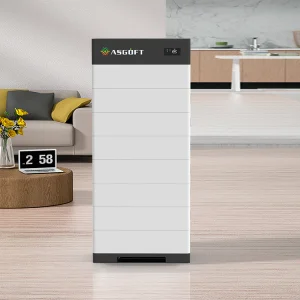
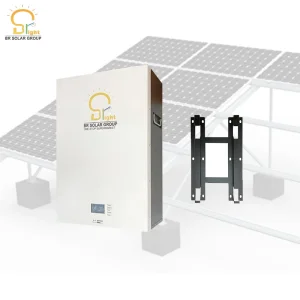
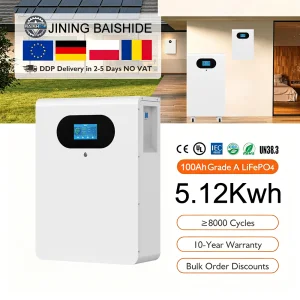
In regions with high time-of-use (ToU) electricity tariffs (such as Germany, California, and Australia), homeowners utilize wall-mounted and stackable battery banks to store daytime solar surplus. The battery discharges during peak evening periods when grid electricity prices spike, maximizing energy independence. Furthermore, smart systems can participate in Virtual Power Plant (VPP) aggregations, feeding stored power back to the grid for extra monetization.
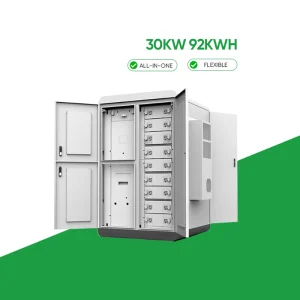
For agricultural operations, manufacturing units, and server facilities, energy storage helps manage peak load charges and mitigates voltage drops. Megawatt-level containers (ranging from 100kWh to 2MWh systems) integrate into site microgrids alongside diesel generators and utility connections. The high-speed response of lithium battery banks ensures seamless, millisecond-level transition during outages, preventing expensive downtime.
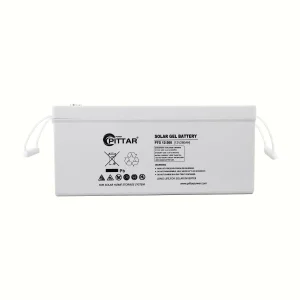
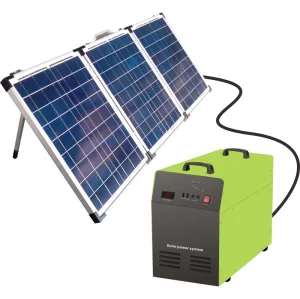
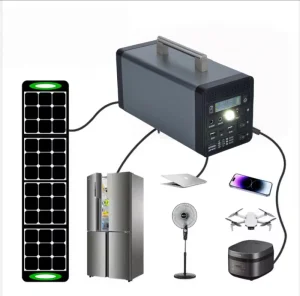
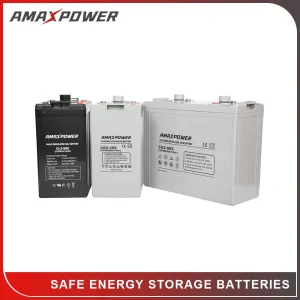
In remote telecom base stations, mountainous communities, and farming zones, grid extension is cost-prohibitive. Off-grid solar generators and deep-cycle battery banks act as primary life support systems. Suntherra's long-life AGM/Gel batteries and customized LFP cabinets provide round-the-clock power reliability even in extreme heat and dusty environments.
Connecting a BESS to a public or industrial distribution network requires adherence to strict safety and utility standard parameters. At Suntherra, our engineers design systems that comply with global grid codes and product safety certifications, reducing integration delays for developers.
Lithium batteries are classified as Class 9 Dangerous Goods. Suntherra products undergo strict UN38.3 compliance protocols, including altitude simulations, thermal shock testing, vibration assessments, impact resilience checks, external short-circuit evaluations, and overcharge runs. This guarantees safe maritime, air, and land transport.
Our commercial and residential products comply with CE, IEC 62619, and UL 1973 / UL 9540A guidelines. These certificates ensure our systems withstand high short-circuit events and prevent thermal runaway propagation, enabling rapid regional utility approvals.
Non-certified BESS units can lead to project rejections, insurance denials, and severe thermal hazards. Suntherra mitigates these risks by managing compliance early in the design stage, utilizing high-quality materials and components. Selecting certified products protects your investment and ensures system longevity.
We provide system sizing support, remote system commissioning, firmware upgrades, and modular replacement logistics to distributors and installers worldwide.
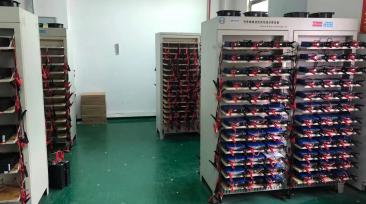
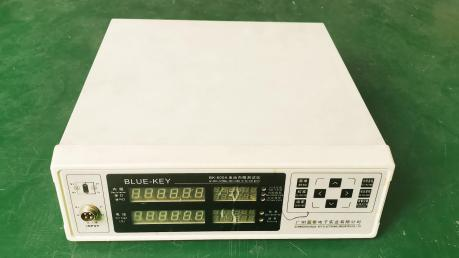
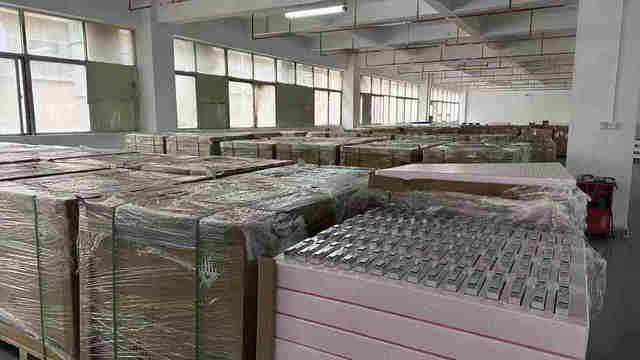
A glimpse into our advanced production lines, QA departments, and high-performance testing chambers.
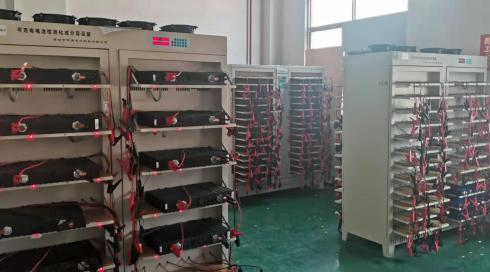
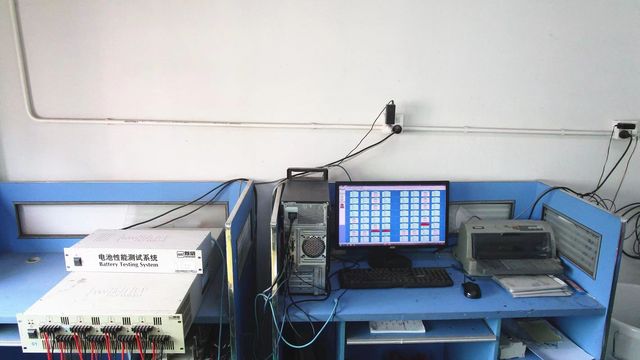
Based in the high-tech hub of Shenzhen, China, Shenzhen Suntherra Battery Co., Ltd. has established a complete, integrated production facility designed to meet the growing demands of the global renewable energy market. Spanning 12,000 square meters, our facility features advanced automated assembly processes, high-speed automated cell grading systems, laser welding setups, and real-time electronic monitoring diagnostics.
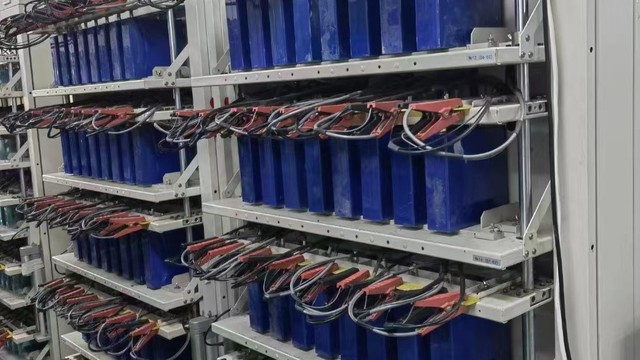
Our commitment to safety and quality is supported by a comprehensive quality assurance framework. From raw materials testing to final system stress tests, each battery pack undergoes strict grading under environmental chamber simulations to guarantee high reliability, long cycle life, and safety. Whether your projects require custom voltage configurations, unique BMS software tuning, or tailored enclosure sizes, our in-house engineering team provides reliable OEM and ODM support.
We work closely with solar system integrators, EPC developers, regional distributors, and wholesale partners globally. By focusing on design innovation and production efficiency, Suntherra continues to deliver high-quality, high-reliability rechargeable storage products built for modern grid demands and off-grid reliability.
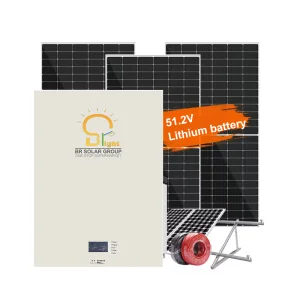
Complete power system packages, inverters, and heavy-duty deep-cycle battery blocks for international integration projects.
Technical answers to key questions from B2B buyers, engineers, and project developers.
 Suntherra Battery