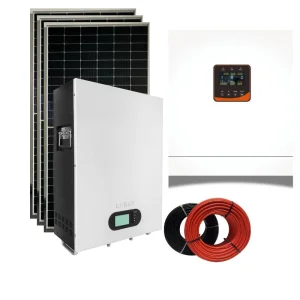
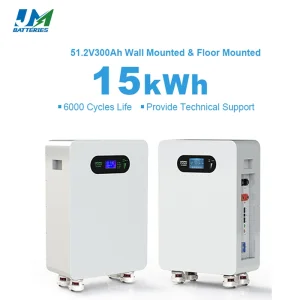
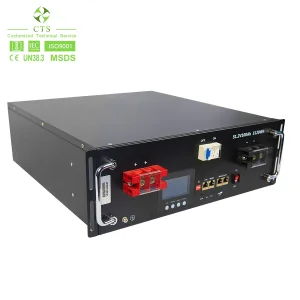
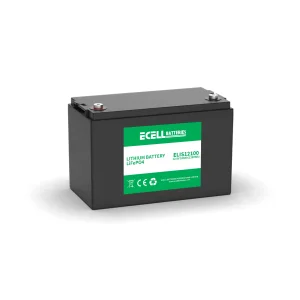
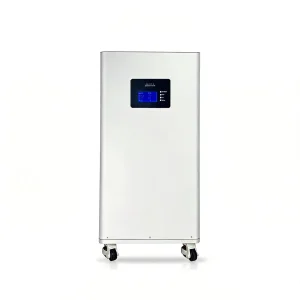
High-reliability home lithium battery packs designed to seamlessly integrate with London residential solar arrays and dynamic energy pricing architectures.
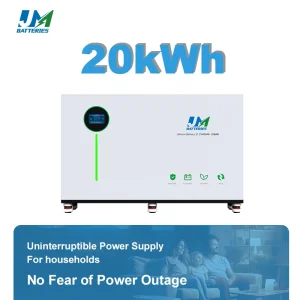
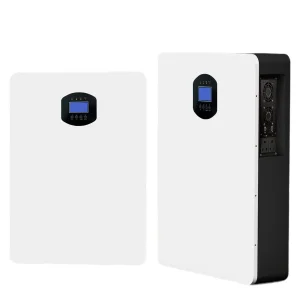
Aligning advanced chemical energy storage with the UK's strict grid requirements and aggressive urban micro-generation strategies.
Designed with grid protection pathways ensuring swift DNO (Distribution Network Operator) fast-track approvals for London homeowners and businesses.
Fully compatible with agile UK dynamic pricing schemes (e.g., Octopus Agile, British Gas Dev). Automatically charge during cheap off-peak hours and discharge during critical peaks.
Engineered using ultra-stable LiFePO4 cells with rigorous overcharge, over-discharge, and active thermal runaway suppression protocols certified under UL, CE, and IEC standards.
As one of the world's most dense urban landscapes, London faces unique electrical distribution bottlenecks. Under the Mayor of London's Net-Zero by 2030 directive, the reliance on clean electrification has placed an unprecedented burden on the National Grid’s local distribution networks. Conventional grid infrastructures are struggling to support the surge of domestic heat pumps and electric vehicle (EV) fast-chargers without severe grid overload.
For domestic and commercial property owners, the economic imperative has shifted from simple solar generation to intelligent energy storage system (ESS) management. Because solar irradiance in London peaks intensely between May and August, but drops precipitously in winter, standard net-metering schemes do not provide robust financial feasibility. This is where advanced LiFePO4 Home Energy Storage Systems serve as the ultimate operational buffer. By decoupling generation from instantaneous consumption, users achieve over 85% grid self-sufficiency.
In the modern London energy market, static flat-rate electrical plans are rapidly becoming obsolete. The introduction of time-of-use tariffs, such as the Octopus Energy Agile program, presents a compelling financial incentive: electricity prices can fluctuate from negative figures (where the grid pays users to consume power) to more than 35p per kWh during peak 4 PM to 7 PM hours.
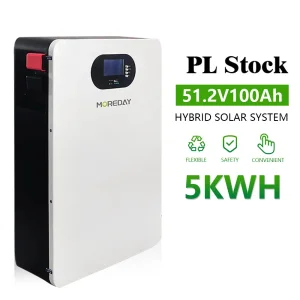
By utilising a highly responsive BMS (Battery Management System) integrated into our 51.2V lithium-ion architectures, homeowners can set automated, API-driven rules. The system stores cheap, off-peak grid power or excess solar production and discharges it during high-tariff windows. Through this grid-arbitrage model, the return on investment (ROI) timeline of a residential battery bank is reduced by up to 40%, drastically dropping the Levelized Cost of Storage (LCOS) to highly competitive rates.
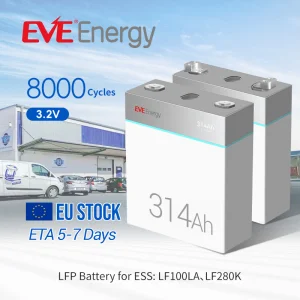
The choice of battery chemistry is the single most critical factor in determining lifecycle costs, safety, and regulatory compliance within the Greater London Area. Our manufacturing lines exclusively deploy **Lithium Iron Phosphate (LiFePO4)** chemistry. Unlike ternary lithium-ion chemistries containing Cobalt and Nickel (NMC/NCA), LiFePO4 offers distinct advantages:
This chemistry is managed by a sophisticated, proprietary **Smart BMS**. The system closely monitors cell-level parameters, including voltage balance, temperature profiles, and state-of-health (SoH). It features seamless communication compatibility with major hybrid inverters through standard CAN/RS485 Modbus networks, including Sunsynk, Solis, Victron, and SMA systems popular across the UK installer network.
Connecting a battery storage system to the UK grid requires strict adherence to energy regulations. Depending on the size of the installation, different approvals are required:
All Suntherra-engineered battery systems are pre-programmed with certified grid-disconnect profiles, simplifying the G99 fast-track approval workflow for accredited MCS (Microgeneration Certification Scheme) installers.
Shenzhen Suntherra Battery Co., Ltd. is a leading OEM and ODM manufacturer specializing in premium solar energy storage batteries and integrated smart power solutions for global residential and C&I renewable energy markets. Established in 2014 in Shenzhen, China, the company has grown into a highly trusted tier-1 supply partner, focusing on LiFePO4 cells, active-balancing BMS, and heavy-duty hybrid solar backup systems.
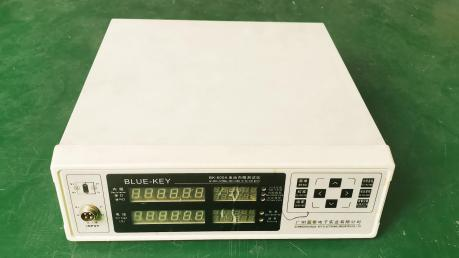
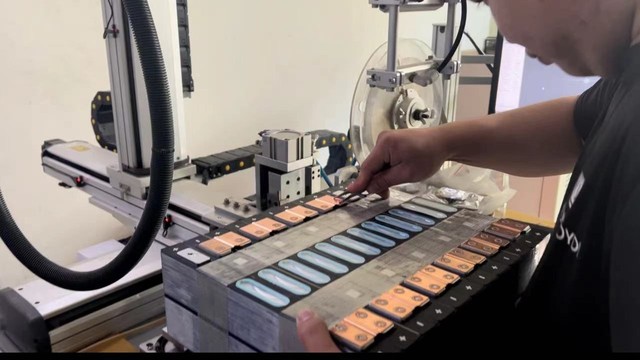
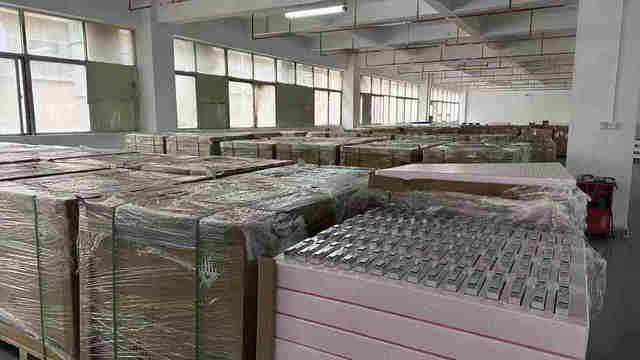
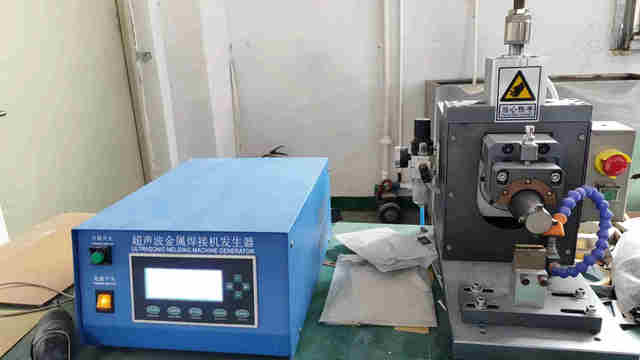
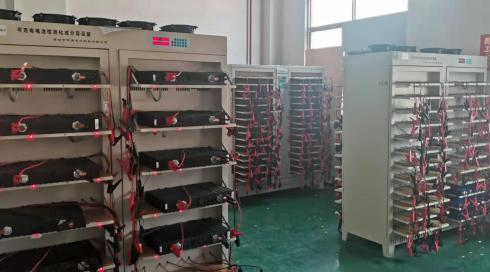
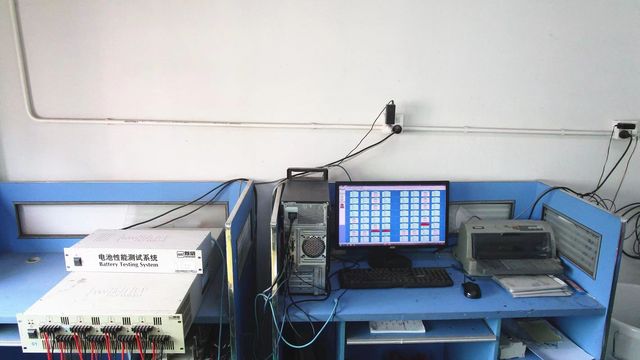
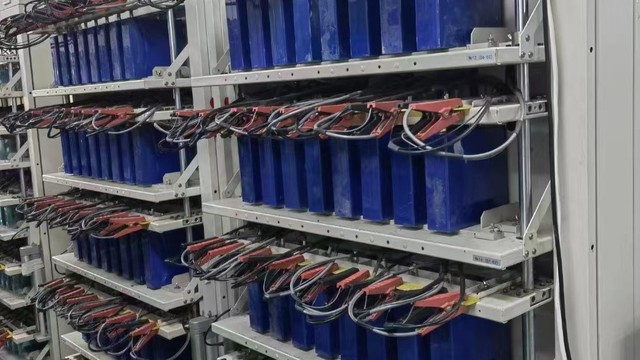
Operating a modern manufacturing complex spanning over **12,000 square meters**, Suntherra houses advanced, high-throughput automated production lines, laser welding centers, and rigorous thermodynamic testing chambers. The facility employs more than **180 highly skilled engineering and quality control specialists**, ensuring every battery unit complies with strict international performance and safety protocols.
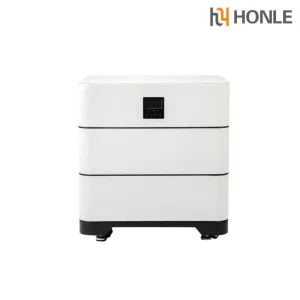
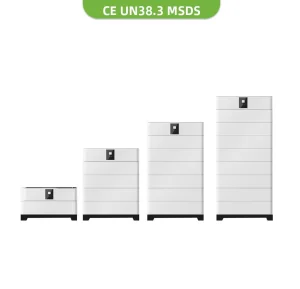
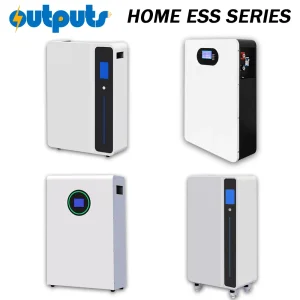
Our core product range features high-voltage stacking battery modules, space-saving wall-mounted units, and modular C&I containerized systems. Through robust engineering, Suntherra continues to provide customizable capacities, tailored BMS firmware, bespoke structural designs, and local compliance support to solar distributors, installers, and project integrators throughout Greater London and the UK.
Request Factory Tour & Catalog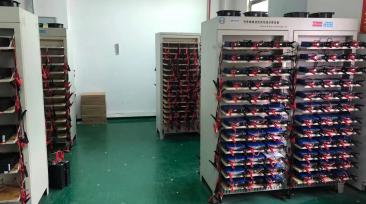
Engineered for high performance, ease of installation, and long-term operating durability under all dynamic UK weather and grid conditions.
Clear, direct answers regarding grid integration, compliance, and ROI projections for installers and property owners in the Greater London Area.
Whether you are a premium solar distributor, a commercial ESG project developer, or a certified installer network across London and the UK, Suntherra provides customized OEM/ODM engineering and direct factory pricing to supercharge your competitive growth.
Send Inquiry Now Suntherra Battery