What Are Common Mistakes in Solar Battery Installation?

Time:2026-09-14 Author:Ethan
0%

Solar batteries can improve energy independence, but installation errors may reduce safety, performance, and system life. Homeowners often focus on storage capacity while overlooking ventilation, cable routing, and emergency access. The question “what are common mistakes in solar battery installation” deserves a practical answer, not a generic checklist.

A reliable installation begins with accurate load calculations and a battery suited to the inverter. Oversizing the battery can waste money. Undersizing it may cause frequent cycling and disappointing backup time. Installers should follow the manufacturer’s manual, local electrical requirements, and approved isolation procedures. Battery placement also matters. A dusty garage, direct sunlight, or a damp utility room can create avoidable problems. Keep clear space around the enclosure. Check temperature limits.

Small details matter.

Loose terminals can create heat. Poorly supported cables may sag, chafe, or disconnect over time. Incorrect polarity can damage equipment immediately. Some systems also fail because monitoring software was never configured correctly. The owner then cannot see declining capacity or warning alerts. That mistake is easy to miss.

Qualified professionals should test voltage, protection devices, communication links, and shutdown functions before handover. They should record settings and explain routine checks clearly. Even experienced teams can overlook a final inspection when schedules become tight. That deserves honest reflection. A careful commissioning report, clear photographs, and independent verification can catch problems early. This guide examines common installation mistakes, explains why they happen, and shows how informed planning can protect performance and household safety.
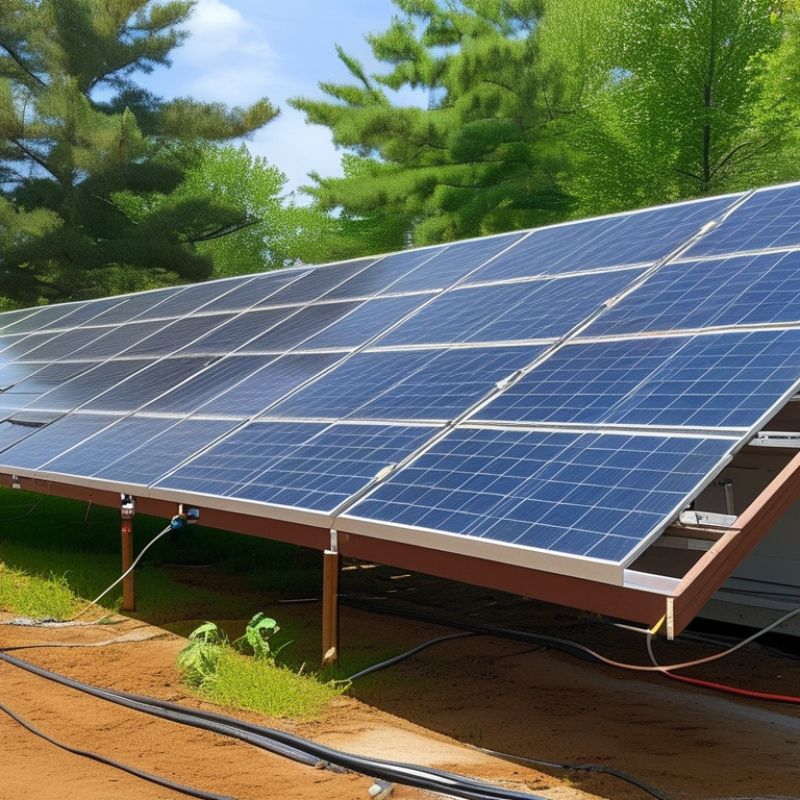
What Are Common Mistakes in Solar Battery Installation?

Understanding Solar Battery Installation Requirements

What Are Common Mistakes in Solar Battery Installation?

Understanding Solar Battery Installation Requirements

Solar battery installation begins with the site, not the product. The installer must check local electrical codes, fire setbacks, structural strength, ventilation, and flood exposure. NFPA 855 addresses spacing, detection, emergency response, and protection for stationary energy storage systems. Ignoring these details can create overheating risks or delay approval. Small errors matter.

Battery capacity must also match household demand and the solar array. The International Energy Agency reported that global energy storage capacity may need to increase sixfold by 2030, reaching 1,500 GW, to support renewable growth. This expansion makes installation quality more important, not less. A battery placed in direct afternoon heat may lose performance faster. Poor cable sizing can increase voltage drop and heating.

Electrical protection requires careful planning. Installers should verify disconnect locations, grounding, overcurrent protection, backup-load separation, and communication wiring. IEC 62477-1 provides safety requirements for power electronic converter systems, while local rules may add stricter conditions. An overlooked utility approval can prevent grid connection after installation. That is expensive.

A practical mistake is treating every garage as suitable. Temperature, moisture, clearance, and access must be measured on site. Documentation should record torque settings, test results, and emergency shutdown instructions. Even experienced teams can rush this step. That deserves reflection. Reliable installation depends on measured conditions, qualified workmanship, and clear maintenance access.

Choosing Compatible Equipment and Planning the Installation Site

Many solar battery problems begin before the installer lifts a tool. A battery must match the inverter’s voltage range, communication protocol, and maximum charge current. Storage capacity should also suit the household’s daily demand. An oversized unit may remain underused, while a small unit can cycle too deeply. Check the equipment manuals together, not separately. I have seen projects stall because a connector looked correct but used a different pin arrangement. A neat fit is not proof of compatibility.

The installation site deserves equal attention. Measure wall strength, floor clearance, cable routes, and ventilation before ordering equipment. Keep the battery away from direct sunlight, standing water, heavy dust, and heat-producing appliances. A shaded utility room may still become hot in summer. Record temperatures at different times of day. One quick visit can create false confidence. Leave enough working space for inspection and future replacement. Tight corners often make maintenance awkward.

Ask whether the wall can support the complete system weight. Concrete, timber, and lightweight partitions require different fixing methods. Keep cables short where practical, but avoid sharp bends. Label isolators and circuit paths clearly. Local electrical rules and installation instructions should guide final placement. A qualified electrician should verify protection devices, earthing, and shutdown access. Photograph hidden cable routes before closing covers. That habit helps later, although I once forgot to record a conduit depth. Mistakes like that deserve a second check.

Avoiding Wiring, Polarity, and Connection Errors

What Are Common Mistakes in Solar Battery Installation?

Solar battery wiring errors often begin with rushed preparation. Installers may use cables that look suitable but cannot safely carry the expected current. Cable length, temperature, insulation, and voltage drop all matter. Follow the battery and inverter manuals, then check local electrical requirements. A qualified electrician should verify the design before energizing the system.

Polarity mistakes are especially dangerous. Positive and negative cables can appear identical in poor lighting. Mark both ends clearly before routing them. Use a calibrated multimeter to confirm polarity and voltage, even when the labels seem obvious. Never rely on cable color alone. One small assumption can damage equipment or create an arc.

Connection errors also develop at terminals. Loose lugs create heat, while excessive torque can damage threaded parts. Use the specified torque and recheck every connection after the cables settle. Keep metal tools away from exposed terminals. Inspect fuses, isolators, grounding conductors, and communication cables separately. A practical weakness in many installations is documentation: cable paths and test readings are sometimes recorded too late. That is worth correcting. Take clear photographs before covers are fitted, record measured values, and perform a final polarity check with the system safely isolated.

Ensuring Proper Ventilation, Protection, and Safety Measures

Solar battery installation often fails through small oversights, not dramatic errors. Poor ventilation is one of the most common. Batteries need clear airflow around their housing, especially in warm utility rooms or enclosed garages. Heat can reduce performance and increase safety risks. Never place a battery beside a boiler, heater, or direct sunlight. Check the manufacturer’s clearance requirements carefully. They are not decorative numbers.

Moisture protection matters just as much. A battery mounted below a leaking pipe can suffer damage before anyone notices. Install it on a stable, non-combustible surface, away from flood-prone areas and vehicle impact. Outdoor units need suitable weather protection and sealed cable entries. Keep ventilation openings unobstructed. Dust can collect quickly. It is easy to underestimate.

Electrical safety requires trained installation and careful inspection. A qualified professional should confirm cable sizing, grounding, isolation points, polarity, and terminal torque. Loose connections may heat gradually behind a clean-looking cover. That mistake is easy to miss. Smoke detection and accessible emergency shutoffs add practical protection. Local electrical requirements should guide the work, alongside the battery’s installation instructions. One useful improvement is photographing cable routes and clearances during installation. It creates a reliable record for later servicing. Even experienced teams should review their process, because a rushed final check can overlook a blocked vent or missing warning label.

What Are Common Mistakes in Solar Battery Installation? — Ensuring Proper Ventilation, Protection, and Safety Measures

No. Common Installation Mistake Why It Matters Potential Consequence Recommended Practice Verification Check Risk Level
1 Installing the battery in an unventilated or unsuitable room Battery systems can generate heat during charging and discharging. Some chemistries may also release gas under abnormal conditions or failure. Heat accumulation, reduced service life, nuisance shutdowns, or increased fire risk. Use a clean, dry, well-ventilated location that complies with the battery manufacturer’s installation instructions and local electrical and fire requirements. Confirm airflow, ambient-temperature limits, clearance requirements, and the absence of blocked vents or nearby heat sources. High
2 Ignoring the battery’s operating-temperature range Capacity, charging performance, and safety depend on temperature. Charging certain lithium-based batteries below their permitted temperature can damage cells. Reduced capacity, premature aging, battery-management-system protection trips, or cell damage. Install temperature monitoring where required and provide suitable heating, cooling, shading, or insulation without obstructing ventilation. Compare measured site temperatures with the battery documentation before commissioning. High
3 Mounting the battery on a weak, uneven, or combustible surface Battery cabinets and modules can be heavy, and uneven support may stress the enclosure or connections. Mounting failure, enclosure damage, cable strain, or increased fire spread risk. Use a level, load-bearing surface and approved mounting hardware. Maintain required separation from combustible materials. Check the surface, fasteners, load rating, enclosure stability, and required clearances. High
4 Leaving insufficient clearance around the battery Clearances are needed for cooling, inspection, maintenance, emergency access, and removal of equipment. Overheating, difficult servicing, blocked emergency access, or non-compliance with installation requirements. Follow the specified front, side, top, and rear clearances rather than relying on a generic distance. Measure clearances after all cables, covers, conduits, and nearby equipment are installed. High
5 Using undersized, damaged, or incorrectly rated cables Battery circuits can carry high continuous and fault currents. Cable selection must account for current, temperature, installation method, and voltage drop. Excessive heating, voltage drop, insulation damage, or electrical fire. Select conductors, insulation, terminals, and conduit according to the calculated current and applicable electrical code. Check conductor size, insulation rating, routing, bend radius, polarity, and voltage-drop calculations. High
6 Failing to install appropriate overcurrent protection and isolation Battery energy can remain available even when the solar array or inverter is switched off. Arc-flash hazard, equipment damage, difficult emergency shutdown, or fire. Provide correctly rated fuses, circuit breakers, disconnects, and isolation points as required by the system design and local rules. Test accessibility, ratings, labeling, interruption capability, and operation of each protective device. High
7 Reversing polarity or making loose terminal connections Incorrect polarity can damage electronics, while loose connections create resistance and localized heating. Short circuit, arcing, melted terminals, inverter damage, or fire. Verify polarity before connection and tighten terminals to the specified torque using suitable tools. Perform a polarity test, torque check, visual inspection, and thermal inspection after the system operates under load. High
8 Mixing incompatible batteries, modules, or settings Different capacities, chemistries, ages, firmware versions, or voltage limits may not operate safely together. Uneven charging, reduced capacity, protection trips, accelerated degradation, or cell imbalance. Use only compatible components and configure charge, discharge, voltage, and temperature limits exactly as specified. Confirm compatibility tables, firmware requirements, battery-management-system communication, and commissioning settings. High
9 Placing the battery near water, corrosive chemicals, or direct sunlight Moisture, corrosion, and excessive solar heating can degrade enclosures, terminals, and electronic controls. Insulation failure, corrosion, overheating, reduced reliability, or electrical shock risk. Choose a protected location away from leaks, flooding, corrosive vapors, and direct heat sources. Use the enclosure rating specified for the environment. Inspect for leak paths, condensation, chemical exposure, sunlight, and enclosure-rating suitability. High
10 Routing cables without mechanical protection or strain relief Sharp edges, vibration, rodents, and unsupported cable weight can damage insulation and terminals. Ground faults, short circuits, intermittent operation, or exposed live conductors. Use suitable conduit, glands, clips, bushings, and strain relief. Keep power and communication cables organized and protected. Inspect the entire cable route for abrasion, unsupported spans, tight bends, sharp edges, and secure entry points. Medium
11 Neglecting grounding, bonding, or surge protection Metal enclosures and connected equipment require effective fault-current paths, while outdoor systems may be exposed to lightning-induced surges. Electric shock, equipment damage, communication failure, or fire after a fault or surge. Follow the applicable grounding and bonding design, and install surge protection where required by the site risk assessment and local code. Test continuity, inspect bonding conductors, verify protective-device connections, and document test results. High
12 Installing indoors without checking fire and emergency requirements Battery energy storage may require specific room construction, detection, signage, separation, or emergency procedures. Delayed emergency response, smoke or fire spread, property damage, or regulatory non-compliance. Review local fire regulations and the battery system’s safety documentation before selecting the room and layout. Confirm signage, access, detection, emergency shutdown, extinguisher suitability, and required separation distances. High
13 Skipping commissioning tests and documentation Incorrect settings, wiring errors, and communication faults may not be visible during installation. Unexpected shutdowns, improper charging, poor performance, or unsafe operation. Complete documented commissioning, including electrical tests, communication checks, configuration review, and functional testing. Record test values, protective-device settings, firmware versions, torque values, alarms, and acceptance results. Medium
14 Failing to provide maintenance and inspection access Connections, vents, filters, alarms, and enclosures require periodic inspection to remain safe and reliable. Undetected overheating, corrosion, alarm faults, or progressive connection failure. Keep access routes clear and establish an inspection schedule based on the system documentation and site conditions. Verify that technicians can safely reach isolation devices, terminals, ventilation openings, and monitoring equipment. Medium

Testing the System and Following Maintenance Guidelines

Testing the system is not a box-ticking exercise after installation. A qualified technician should verify cable polarity, terminal torque, insulation resistance, and battery voltage before energizing the equipment. Small details matter. A reversed connection or loose terminal can create heat, unstable charging, or premature battery damage.

The test should continue under realistic conditions. Check charging and discharging behavior, inverter readings, protective shutdowns, and the emergency disconnect. Compare measured values with the installation design and the equipment instructions. Record every reading.

Do not rely only on a screen showing “normal,” because software may not reveal a weak connection or damaged cable. Testing should also include ventilation, clearance, moisture protection, and signs of physical movement around the battery enclosure.

Maintenance guidelines are equally important, but they are often treated too casually. Inspect terminals for corrosion, cables for cracking, and the enclosure for dust or water entry at scheduled intervals. Keep a dated log of inspections, alarms, temperature readings, and corrective work. Never open sealed battery components without appropriate training. If readings change unexpectedly, stop troubleshooting at the equipment and request professional evaluation. A checklist can still miss something. Reviewing the process after each service visit helps identify overlooked assumptions, especially when seasonal temperatures alter battery performance.

FAQS

How can I check whether a solar battery matches the existing system?

Compare voltage range, communication protocol, maximum charge current, and storage capacity. Check both manuals together. A connector may fit while its pin arrangement differs.

How should I choose the battery installation location?

Measure wall strength, floor clearance, cable routes, temperature, and ventilation before ordering equipment. Choose a shaded, dry area away from heaters and direct sunlight. Leave room for inspection and future replacement.

Can a lightweight wall support a battery?

Not always. Concrete, timber, and lightweight partitions need different fixing methods. A qualified professional should confirm the complete system weight and suitable mounting method.

What ventilation and environmental protection does a battery need?

Keep airflow clear around the enclosure, especially in warm rooms or garages. Avoid boilers, heaters, standing water, heavy dust, and flood-prone areas. Outdoor installations need weather protection and sealed cable entries.

What electrical safety checks should an installer complete?

A qualified electrician should verify cable sizing, grounding, polarity, terminal torque, and isolation points. Emergency shutdown access should remain clear. A clean cover does not prove a safe connection.

What should be tested before energizing the system?

Check polarity, terminal torque, insulation resistance, battery voltage, and protective devices. Test charging, discharging, inverter readings, and emergency disconnection under realistic conditions. Record every measurement.

Why is a normal screen reading not enough?

Software may show “normal” while a cable is damaged or a connection is weak. Inspect vents, clearances, moisture protection, and enclosure movement. Screens can miss physical problems.

What maintenance should be recorded after installation?

Inspect terminals for corrosion, cables for cracking, and the enclosure for dust or water entry. Keep dated records of alarms, temperatures, inspections, and repairs. I once forgot to record conduit depth. That deserved a second check.

Conclusion

Understanding what are common mistakes in solar battery installation is essential for creating a safe, reliable, and efficient energy system. Common problems begin with overlooking the battery’s voltage, capacity, and operating requirements or choosing equipment that is not electrically compatible. Installation planning should also consider location, accessibility, temperature, moisture, and adequate clearance for future inspection and servicing.

Wiring errors, reversed polarity, loose connections, and incorrectly sized cables can reduce performance and create serious safety risks. Proper ventilation, protective enclosures, fuses, disconnects, grounding, and clear labeling are also important safeguards. After installation, the system should be tested carefully to confirm correct voltage, charging, monitoring, and backup operation. Regular maintenance, including checking connections, cleaning ventilation areas, inspecting protective components, and reviewing system performance, helps identify issues early and extends the battery’s service life. Following the manufacturer’s instructions and applicable electrical requirements throughout the process is equally important.

Ethan

Ethan

Ethan is a seasoned marketing professional with a deep expertise in our company's innovative product line. With a passion for sharing knowledge and insights, he takes the lead in regularly updating our corporate blog, where he explores industry trends, product features, and effective marketing......